# Ultra-Processed Foods Linked to 30% Higher Prostate Cancer Risk in Men
Researchers conducting a nationally representative study of over 17,000 U.S. men found that those consuming higher amounts of ultra-processed foods face a 24% to 31% increased risk of developing prostate cancer. The findings add another health concern to the growing body of evidence documenting the dangers of ultra-processed food consumption in America.
The study examined dietary patterns across a diverse population and controlled for multiple confounding variables including age, smoking status, race, ethnicity, and poverty status. Men who reported greater consumption of ultra-processed foods such as soft drinks, packaged snacks, ready-to-eat cereals, and processed meats showed the elevated cancer risk compared to those eating less of these products.
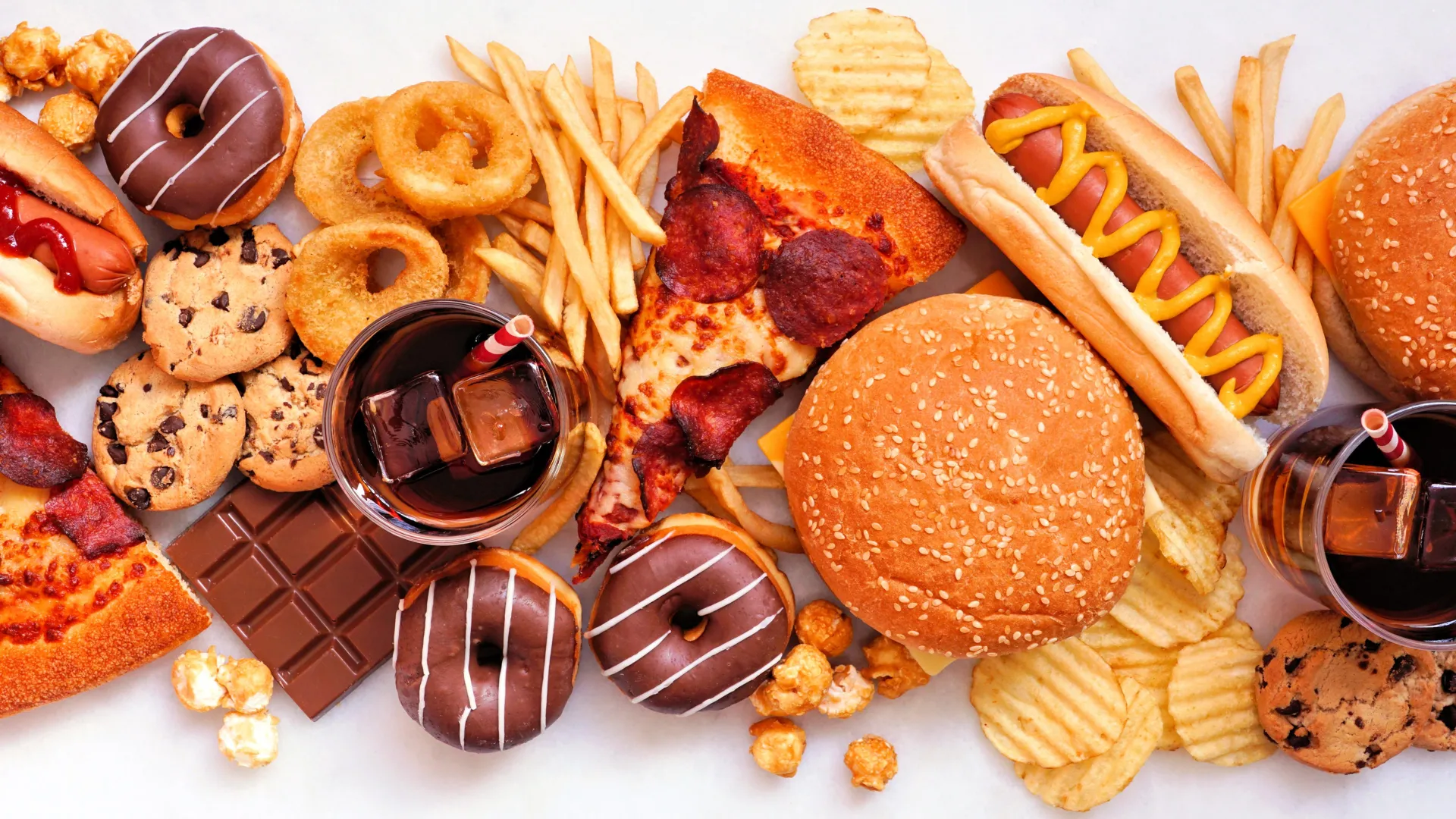
Ultra-processed foods now comprise a substantial portion of the typical American diet. These products undergo extensive industrial processing and typically contain added sugars, sodium, unhealthy fats, and chemical additives while lacking whole food nutrients. The American Heart Association and other health organizations have repeatedly flagged excessive ultra-processed food consumption as a driver of obesity, cardiovascular disease, and metabolic dysfunction.
The prostate cancer connection adds a new dimension to existing concerns. Prostate cancer ranks as the second most common cancer among American men after skin cancer, with nearly 300,000 new cases diagnosed annually according to the American Cancer Society. The disease disproportionately affects Black men and occurs more frequently with advancing age.
Several biological mechanisms could explain the link between ultra-processed foods and prostate cancer risk. Excess sugar consumption may promote inflammation and insulin resistance, both of which have been associated with cancer development and progression. High sodium levels and additives in processed foods may also contribute to carcinogenic pathways. Additionally, processed meats contain compounds like heterocyclic amines and polycyclic aromatic hydrocarbons formed during cooking at high temperatures, substances previously linked to various cancers.
The study's use of a nationally representative sample strengthens its applicability to the broader U.S. population across different demographics. By accounting for socioeconomic factors like poverty status, the researchers captured a more complete picture of how diet-related cancer risk operates across income levels. However, observational studies cannot definitively prove causation, only association. Men who eat more ultra-processed foods may differ in other unmeasured ways that influence cancer risk.
Dietary intervention studies would provide stronger evidence for a causal relationship. Researchers could randomly assign men to different eating patterns and monitor cancer outcomes, though such trials require substantial time and funding. In the meantime, public health guidance already recommends limiting ultra-processed foods for multiple disease prevention reasons, including cardiovascular health and weight management.
The findings support existing dietary recommendations emphasizing whole foods including vegetables, fruits, legumes, and minimally processed proteins. Men concerned about prostate cancer risk can reduce consumption of soft drinks, packaged snacks, mass-produced cereals, and processed meats while increasing intake of plant-based whole foods. Combined with other cancer prevention strategies like regular physical activity and maintaining healthy weight, dietary modification offers a modifiable approach to reducing prostate cancer incidence.