# Shingles Vaccine Associated With Lower Dementia Risk in Large Study
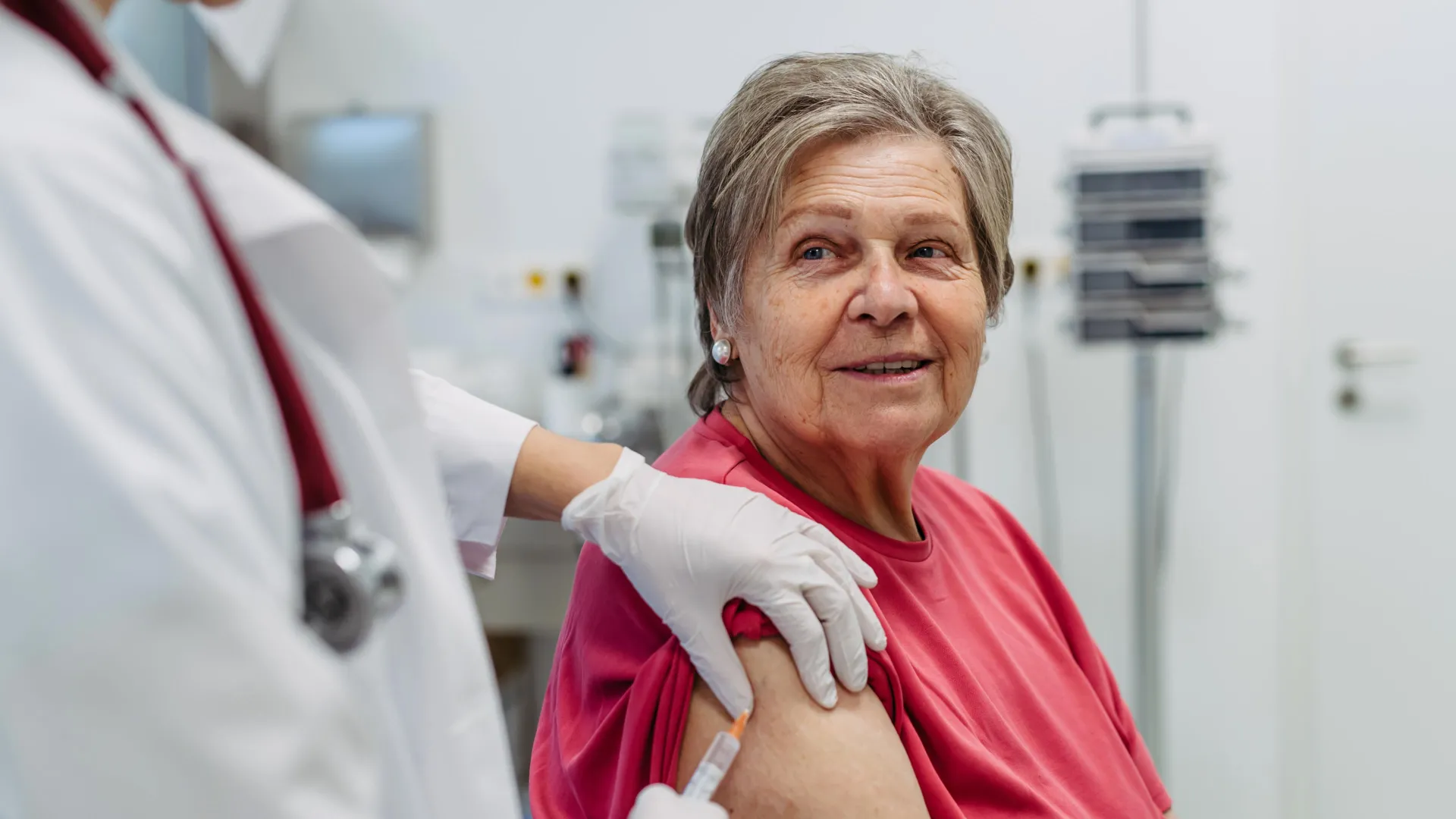
A study of more than 500,000 older adults found that those vaccinated against shingles showed a 24 percent lower dementia diagnosis rate over four years compared to unvaccinated peers. The research suggests that vaccinating roughly 17 people could prevent one dementia case, marking a potential new public health benefit for the widely administered Shingrix vaccine.
The study examined medical records from a large cohort of older adults, tracking dementia diagnoses among those who received the recombinant zoster vaccine (Shingrix) versus those who did not. The 24 percent relative risk reduction persisted across the four-year observation period, a timeframe that captures early dementia detection and diagnosis patterns in this population.
This finding emerges from growing research linking infections and immune system activation to dementia risk. The varicella-zoster virus, which causes chickenpox and shingles, has drawn particular attention in neurodegenerative disease research. Some investigators hypothesize that chronic viral reactivation or inflammatory responses triggered by herpes zoster infection may contribute to cognitive decline over time. A shingles vaccine that prevents this infection could potentially interrupt this pathway.
The absolute numbers matter for context. If roughly one case per 17 vaccinations represents the true effect, this represents a modest but not negligible contribution to dementia prevention at the population level. Dementia affects millions globally, and preventive strategies remain limited. Current evidence-based approaches focus on cardiovascular health, cognitive engagement, and managing conditions like hypertension and diabetes. A vaccine-based prevention strategy, if validated further, would add a new tool to this limited arsenal.
Several caveats deserve mention. Observational studies like this one capture associations but cannot definitively prove causation. People who choose vaccination may differ in health-conscious behaviors from those who decline it. These baseline differences could partially explain the lower dementia rates independent of vaccination itself. Researchers typically employ statistical adjustment methods to control for such confounders, but residual bias remains possible in all observational work.
The study duration of four years also represents a relatively short window for dementia development, particularly for slower-progressing forms like Alzheimer's disease. Longer follow-up periods would strengthen confidence in the effect size and durability of any protective benefit.
Shingrix itself is already widely recommended. The Centers for Disease Control and Prevention advises all adults 50 and older receive two doses, regardless of prior chickenpox infection or prior shingles vaccination with the older Zostavax vaccine. The vaccine shows high efficacy against shingles, dramatically reducing the incidence and severity of this painful viral reactivation condition. If the dementia association holds up in future research, it represents an unexpected bonus rather than the primary indication.
Future studies should employ different methodological approaches to test this association independently. Randomized controlled trials, though logistically challenging for vaccine studies over many years, would provide stronger causal evidence. Mechanistic research exploring how zoster vaccination might alter dementia risk through immune system changes or viral suppression would also clarify whether this relationship reflects direct biological effects or confounding.