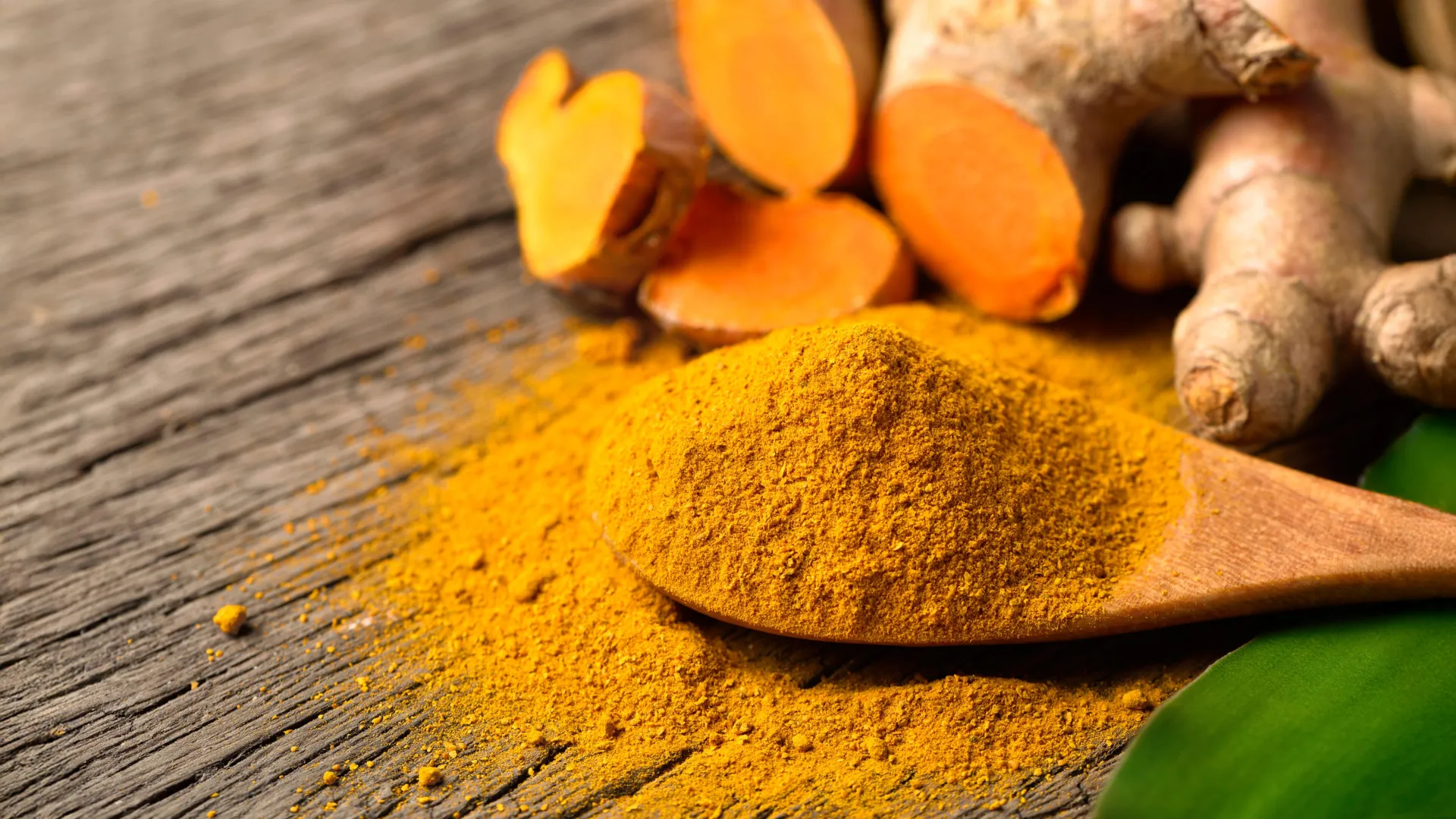
Researchers have discovered that curcumin, the active compound in turmeric, may shield blood vessels from diabetes-related damage in laboratory models of Type 1 diabetes.
In animal studies, curcumin demonstrated three key protective mechanisms. The compound reduced inflammatory markers that typically accumulate in diabetic blood vessels, improved cellular signaling pathways that regulate vascular function, and restored blood vessel health to levels comparable with nondiabetic control animals. These findings emerge from research examining how turmeric's polyphenol compounds interact with the vascular complications of Type 1 diabetes.
Type 1 diabetes damages blood vessels through multiple pathways. Chronic high blood sugar triggers oxidative stress, inflammation, and endothelial dysfunction. Over time, these processes degrade the inner lining of arteries and capillaries, increasing risks for heart attack, stroke, kidney disease, and diabetic retinopathy. Current treatments focus on glycemic control and managing individual risk factors like hypertension and cholesterol, but they do not fully prevent vascular complications.
Curcumin offers a different approach. The compound belongs to a class of polyphenols known for antioxidant and anti-inflammatory properties. In diabetic rats, curcumin appeared to counteract the inflammatory cascade triggered by hyperglycemia. It also restored signaling through endothelial nitric oxide synthase, an enzyme critical for vascular relaxation and blood flow regulation. By improving these cellular processes, curcumin helped maintain the structural and functional integrity of blood vessels.
The rat studies provide proof of concept but carry important limitations. Animal models do not fully replicate human diabetes pathophysiology. Rats metabolize compounds differently than humans. Dosages used in animal research often exceed what humans can tolerate. Curcumin has notoriously poor bioavailability in humans, meaning the body absorbs and retains only small amounts when taken orally. Researchers have developed delivery systems to enhance absorption, but these remain experimental.
The findings address a genuine clinical need. Approximately 1.6 million Americans have Type 1 diabetes, and cardiovascular disease remains the leading cause of death in this population. Even with intensive insulin therapy and cardiovascular medications, patients face elevated risks for vascular events. Additional therapeutic options that target inflammation and endothelial dysfunction could reduce this burden.
Next steps require human clinical trials. Researchers must first determine safe and effective dosages of curcumin in humans. Trials would need to measure vascular function using noninvasive imaging and biomarkers of endothelial health. Studies should span months or years to detect meaningful improvements in blood vessel structure and function. Researchers would also need to establish whether curcumin benefits Type 2 diabetes patients, whose vascular complications follow somewhat different pathways.
Integration with existing diabetes care presents another consideration. Curcumin would likely serve as an adjunct to insulin therapy and standard cardiovascular medications rather than a replacement. Researchers must examine potential drug interactions, particularly with anticoagulants and antiplatelet agents commonly prescribed to diabetic patients.
The turmeric research reflects growing interest in natural compounds for vascular protection. While preliminary findings encourage further investigation, moving from rat studies to effective human treatment requires rigorous clinical validation and careful dose optimization.