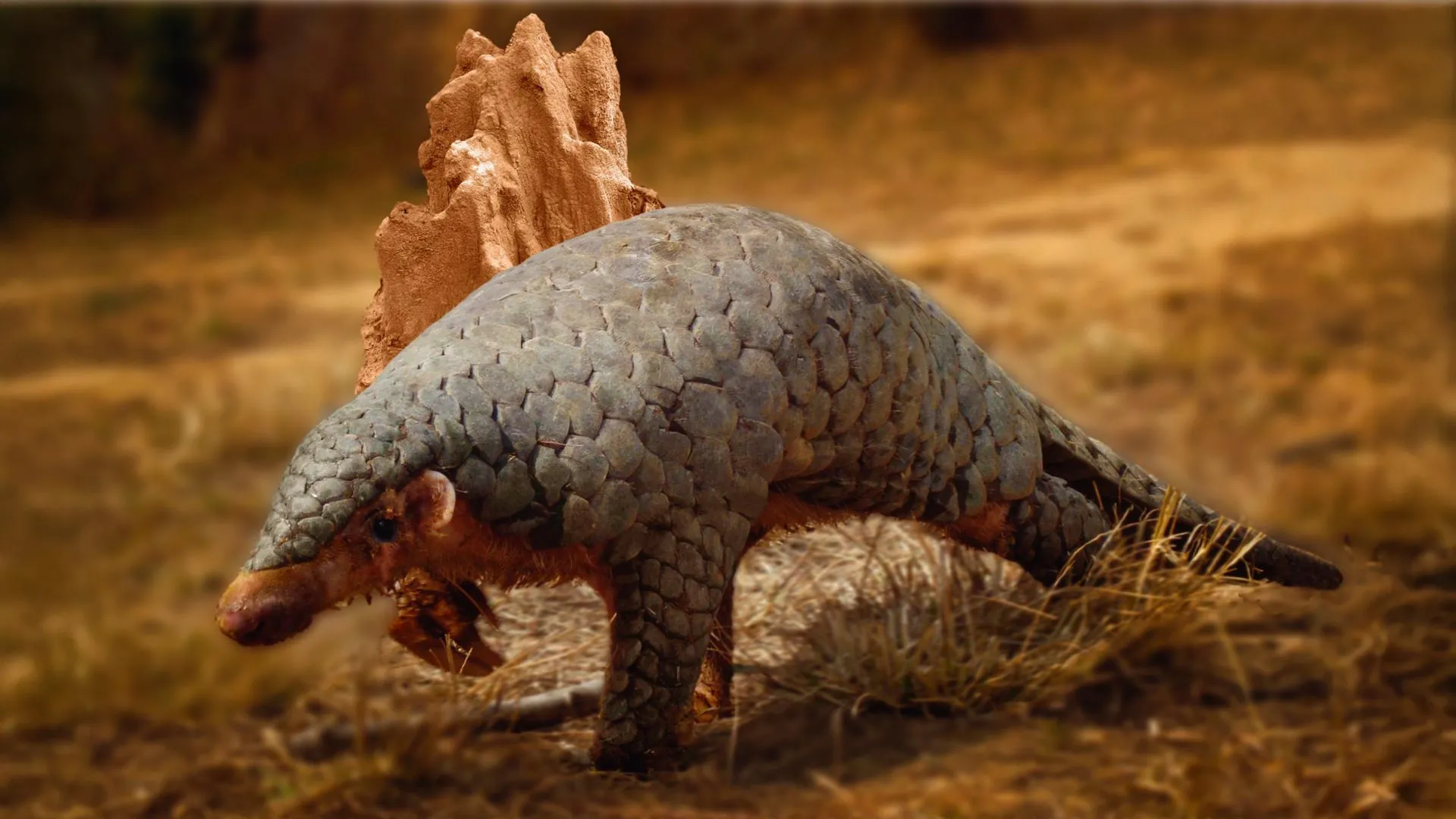
Researchers have confirmed the existence of a previously unrecognized pangolin species in the Himalayan regions of Nepal and northern India by analyzing DNA from a museum specimen collected nearly 190 years ago. The finding emerged from a comparative genomic study that examined historical and modern samples, revealing genetic distinctions that separate this population from other known pangolin species.
The specimen originated from a zoological collection dating to the early 1800s, preserved in museum archives for generations. Scientists extracted DNA from the historical sample and compared it with genetic material from contemporary pangolins, identifying clear molecular signatures that defined this distinct lineage. The analysis showed the Himalayan population possessed unique genetic markers that differentiated it from the Indian pangolin and Chinese pangolin, establishing it as a separate species.
This discovery holds direct implications for conservation and law enforcement. Pangolins face the most severe poaching pressure of any mammal globally, driven by illegal demand for their scales in traditional medicine markets, particularly in Asia. Criminal networks harvest scales at industrial scales, selling them through underground trade networks that span continents. The ability to genetically identify which species and geographic population supplied illegally trafficked scales provides customs officials and environmental authorities with a tool to trace poaching networks and target enforcement efforts at specific regions.
The research team employed next-generation sequencing to extract and analyze the historical DNA, a technique that has become increasingly powerful for identifying species hidden within existing museum collections. Historical specimens offer a window into genetic diversity that may have been lost or overlooked during earlier taxonomic classifications. Museum collections worldwide contain millions of specimens that have never undergone modern genetic analysis, representing potential reservoirs of biodiversity data.
The Himalayan pangolin's recognition as a distinct species also reshapes conservation priorities. Each species faces different ecological pressures and inhabits specific geographic ranges where targeted protection efforts can concentrate resources. Recognizing distinct populations allows conservationists to assess population status more accurately and develop region-specific protection strategies. The newly identified species inhabits montane forests and grasslands at higher elevations than related species, occupying a distinct ecological niche that conservation plans must address.
Pangolins belong to the order Pholidota and represent one of the few remaining placental mammals with scales rather than fur or hair. Eight species exist worldwide, with four found in Asia and four in Africa. All species face declining populations. The IUCN lists most species as vulnerable or endangered, with the Chinese pangolin and Sunda pangolin classified as critically endangered.
The study demonstrates how museum collections enable modern biology to answer questions that could not be addressed with contemporary samples alone. Historical DNA analysis has previously confirmed hidden species and resolved taxonomic uncertainties across numerous animal groups. As sequencing technology continues improving and costs decline, researchers expect to unlock additional biodiversity insights from museum archives.
The confirmation of this Himalayan species represents a rare moment where conservation gains traction through genetic discovery. Future research will likely focus on population surveys, range mapping, and establishing monitoring protocols specific to this species. The work underscores how natural history collections serve active conservation missions rather than functioning merely as historical records.