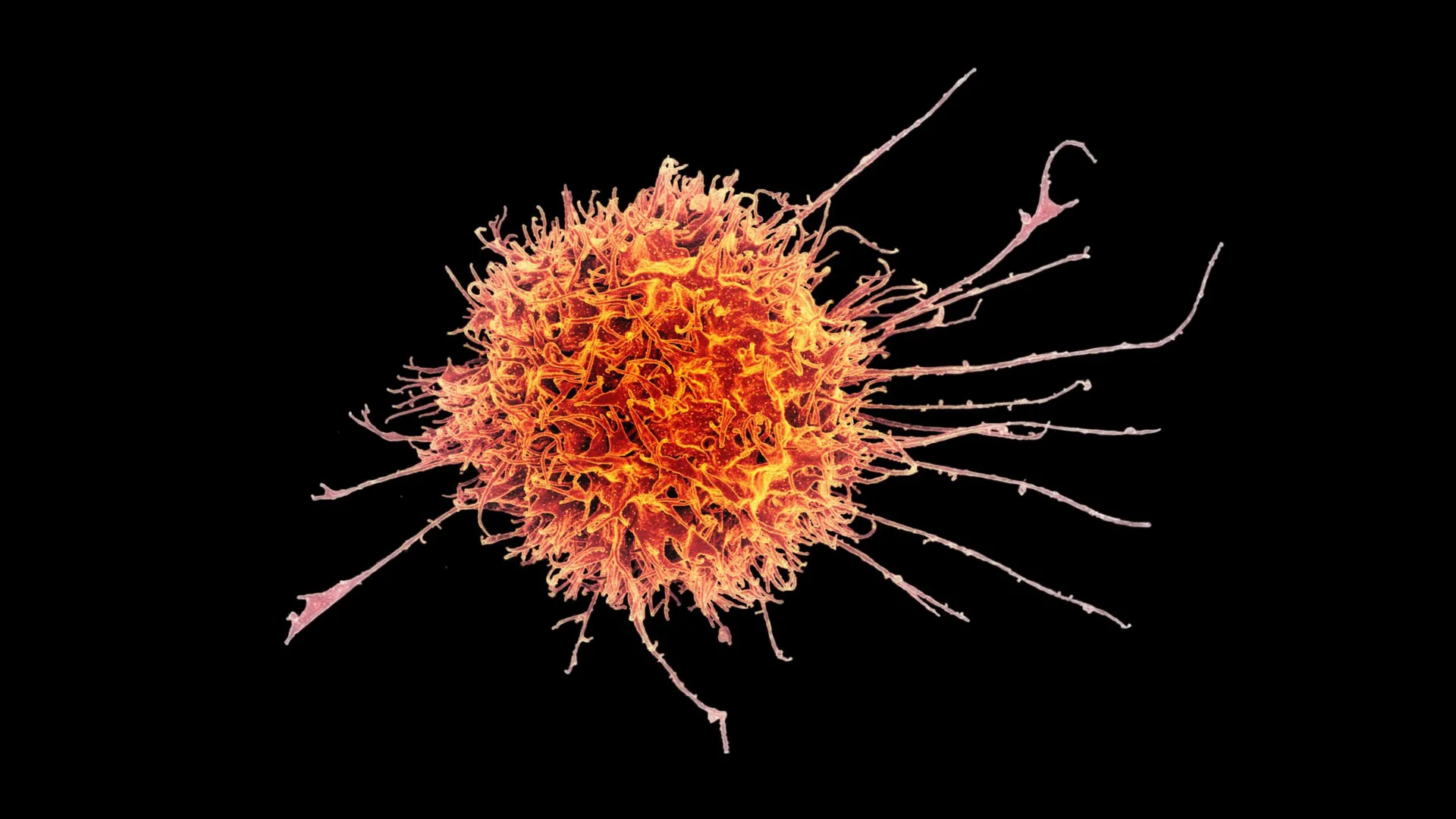
# Supercharged Natural Killer Cells Show Promise Against Solid Tumors
Researchers have engineered natural killer cells to penetrate and fight solid tumors more effectively, offering a new approach to cancer immunotherapy. The work demonstrates that these modified immune cells can infiltrate tumor tissue, resist exhaustion, and enhance treatment outcomes when combined with existing drugs.
Natural killer cells represent one of the body's front-line defenses against cancer. Unlike other immune cells that require extensive training, natural killer cells attack tumors directly without needing prior sensitization. However, solid tumors create hostile environments that prevent these cells from reaching cancer tissue and limit their killing capacity once inside.
Scientists addressed this obstacle by creating tissue-resident natural killer cells, which remain stationary within tumor tissue rather than circulating through the bloodstream. The research team modified these cells to enhance their infiltration and persistence. In preclinical mouse models, the supercharged natural killer cells slowed growth of melanoma and head and neck cancers. The cells proved particularly potent when paired with cetuximab, an antibody drug that targets the epidermal growth factor receptor found on many cancer cells.
The mechanism works through complementary action. Cetuximab blocks cancer cell signaling while marking tumor cells for destruction. The engineered natural killer cells then recognize and eliminate these marked targets more efficiently. This combination approach yielded superior tumor control compared to either treatment alone in the animal models tested.
The research addresses a persistent challenge in cancer immunotherapy. Current CAR-T cell therapies, which reprogram T cells to attack cancer, have revolutionized blood cancer treatment but remain limited against solid tumors. The engineered natural killer cells bypass some obstacles that constrain T cell therapies, including the immunosuppressive environment that tumors create and the exhaustion that occurs when immune cells encounter persistent antigen exposure.
Solid tumors like melanoma and head and neck cancers present particular difficulties for immune cells. These cancers erect physical barriers, recruit immunosuppressive cells, and produce factors that dampen immune responses. Natural killer cells lack some of the adaptability of T cells but compensate through rapid killing capacity and reduced susceptibility to certain tumor-induced suppression mechanisms.
The tissue-resident modification holds distinct advantages. Rather than attempting to maintain circulating immune cells throughout the body, tissue-resident cells establish themselves within tumors and provide sustained local immunity. This approach requires lower cell doses and reduces systemic side effects compared to high-dose circulating cell therapies.
The team's approach remains in preclinical stages. Moving to human trials requires demonstrating safety and efficacy in larger animal models, manufacturing cells reliably, and determining optimal dosing strategies. Researchers must also identify which patients benefit most from this approach and whether other tumor types respond similarly to melanoma and head and neck cancers.
The work builds on years of natural killer cell research showing these cells possess untapped potential in cancer therapy. Several academic centers and biotechnology companies currently pursue natural killer cell engineering approaches. This particular strategy targeting tissue residency and tumor penetration adds a new dimension to these parallel efforts and suggests multiple pathways exist toward harnessing these potent immune cells against cancer.