# Tooth Count Linked to Survival Outcomes After Pancreatic Cancer Surgery
A study of 339 pancreatic cancer patients has uncovered a striking correlation between natural tooth count and post-surgical survival. Patients with at least 21 natural teeth survived nearly two years longer after surgery than those with fewer teeth, researchers report.
The finding emerges from work examining why some pancreatic cancer patients tolerate surgery better than others. Pancreatic cancer ranks among the deadliest malignancies, with surgery offering the only potentially curative option for early-stage disease. Yet outcomes vary widely among patients undergoing the same procedure. Identifying biomarkers that predict which patients will fare better has become a major research goal.
Researchers analyzed dental records alongside clinical outcomes in their cohort of 339 surgical patients. Those retaining 21 or more natural teeth demonstrated substantially better post-operative survival than those with 20 or fewer teeth. The team does not propose that tooth count directly causes improved survival. Rather, tooth retention likely serves as a proxy for multiple interconnected health factors.
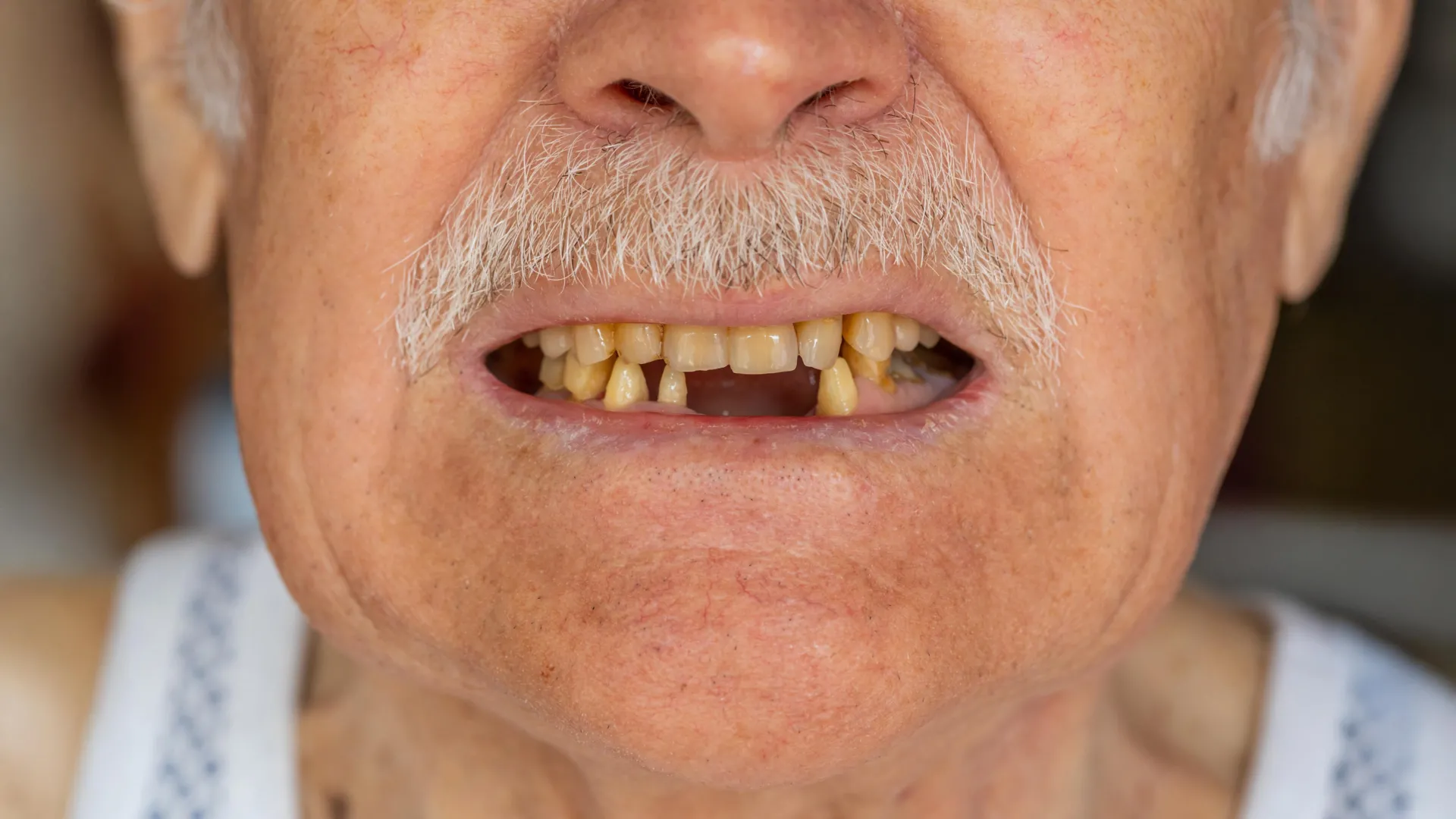
"Tooth loss may reflect decades of inflammation, frailty, nutrition, and other factors tied to the body's overall resilience," according to the study summary. Natural teeth require regular maintenance and proper oral hygiene. Patients who have preserved their dentition into adulthood typically maintain better overall health behaviors. Tooth loss accelerates with systemic inflammation, poor nutritional status, and physical decline. Each of these factors independently compromises surgical recovery.
The immune system plays a central role here. Chronic inflammation drives both tooth loss and cancer progression. Patients with lower inflammatory burden preserve their teeth better and mount superior responses to surgical stress. Nutritional status also matters. Maintaining natural teeth enables better mastication and nutrient absorption, supporting the muscle and immune reserves needed to weather major surgery.
Frailty represents another mechanism linking dentition to survival. Frail patients lose teeth more readily and tolerate surgery poorly. Conversely, patients with robust physical reserve maintain their teeth and recover more effectively from surgical trauma.
This research joins a growing body of work connecting oral health to systemic outcomes. Previous studies have linked tooth loss to cardiovascular disease, dementia, and all-cause mortality. The pancreatic cancer finding extends this pattern to cancer-specific survival, suggesting dentition reflects fundamental physiologic robustness.
The study does carry limitations. It draws from a single institution and specific patient population, which may not generalize to other demographic groups or healthcare settings. The correlation between teeth and survival, while striking, does not establish causation. Unmeasured confounding factors could explain both tooth retention and improved survival.
Yet the finding offers practical value. Surgeons assessing pancreatic cancer patients before surgery could incorporate tooth count into preoperative risk stratification. Patients with poor dentition might benefit from more intensive nutritional support, prehabilitation, or closer postoperative monitoring. Dental status could help identify patients requiring enhanced perioperative care.
Future research should examine the mechanisms more directly. Measuring inflammation biomarkers, nutritional parameters, and frailty scales in conjunction with tooth count would clarify which factors drive the survival difference. Prospective studies in larger, more diverse populations would establish whether the finding holds broadly.