# Backyard Bird Feeders Pose H5N1 Transmission Risk During Australian Outbreak
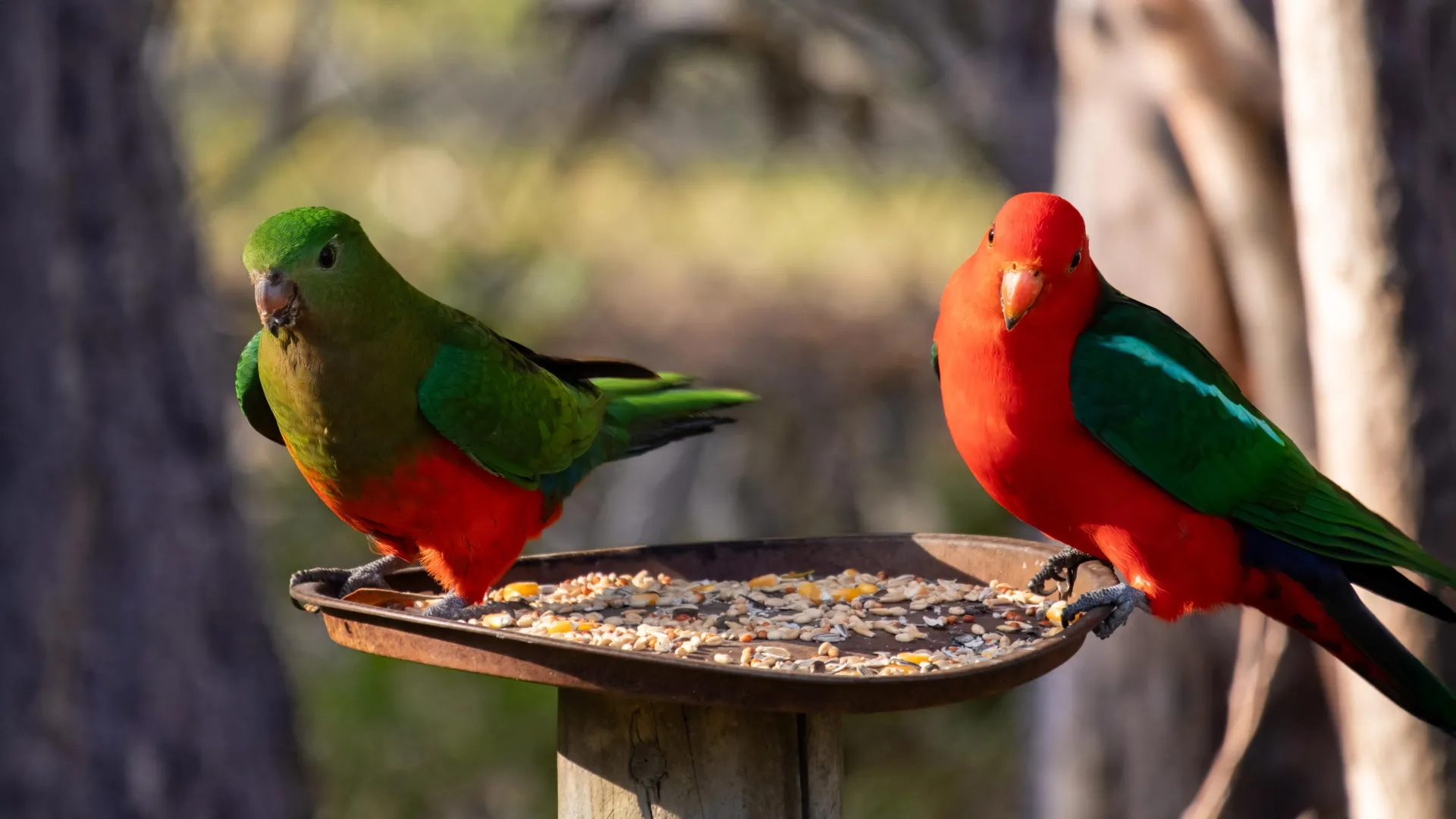
Australia's expanding bird flu outbreak has turned backyard bird feeders into potential disease vectors, researchers warn. The H5N1 virus spreads rapidly when wild birds congregate at feeding stations, mixing species that would rarely encounter each other in nature.
Ornithologists and epidemiologists across Australia's research institutions have documented how feeders create ideal conditions for viral transmission. Birds of different species converge on concentrated food sources, increasing contact rates and fecal-oral transmission pathways. The virus persists on contaminated surfaces, seeds, and water dishes for hours or days depending on environmental conditions.
The outbreak affects numerous Australian bird species. Native honeyeaters, lorikeets, and waterfowl have tested positive for H5N1. Backyard feeders serve as congregation points where these species mix, accelerating spread compared to dispersed natural foraging patterns.
Experts from Australia's wildlife health monitoring programs recommend several risk-reduction strategies. Removing feeders entirely represents the safest approach during active outbreak periods. For those who continue feeding, reducing portion sizes decreases the duration birds spend at feeders. Eliminating hand-feeding prevents direct contact between humans and potentially infected birds. Cleaning feeders, perches, and surrounding areas with disinfectant solution multiple times weekly removes viral particles.
Water sources require particular attention. Standing water attracts multiple bird species and facilitates transmission through respiratory secretions. Changing water daily and cleaning containers reduces contamination risk.
The Australian outbreak mirrors patterns observed in North American H5N1 events. Between 2021 and 2023, backyard feeders in the United States and Canada correlated with rapid wild bird population crashes in several regions. Researchers documented infected birds traveling hundreds of kilometers from initial outbreak sites, likely after acquiring infection at feeding stations.
H5N1 presents minimal direct risk to humans through typical backyard activities. The virus does not readily infect people. However, handling infected birds without protective equipment poses occupational hazards for wildlife rehabilitators and veterinarians. Dead bird disposal requires precautions. Australian health authorities recommend placing deceased wild birds in sealed bags for burial or professional disposal rather than direct contact.
The outbreak's duration remains uncertain. H5N1 persistence in wild populations depends on host abundance, migration patterns, and environmental factors. Australia's subtropical and temperate zones support year-round resident bird populations, potentially extending transmission cycles beyond typical seasonal windows observed in northern hemisphere regions.
Bird conservation groups acknowledge the tension between feeding wildlife and disease control. Long-term solutions involve strengthening surveillance networks to detect outbreaks earlier and maintaining habitat corridors that reduce artificial bird congregation points. Restoring native vegetation provides natural food sources without the disease amplification risks of feeders.
Authorities emphasize that temporary feeder removal during outbreaks protects both backyard birds and wild populations. As the Australian outbreak progresses, residents face a straightforward choice between convenience and biosecurity.