# Fast-Track Dentistry: 3D Printing Could Deliver Custom Crowns in Minutes, Not Days
Dental patients could soon leave their appointments wearing permanently restored teeth instead of temporary crowns. Researchers have slashed the manufacturing time for 3D-printed zirconia crowns from roughly 100 hours to under 30 minutes, a breakthrough that transforms an industrial process into a practical chairside tool.
The advance centers on zirconia, a ceramic material that dominates modern crown fabrication. Its strength and biocompatibility make it ideal for permanent restorations, but traditional 3D printing and post-processing created a bottleneck. The old workflow required printing the crown, then subjecting it to hours of heating, sintering, and cooling to achieve the final hardness and durability dentists demand. That meant sending prints to labs, waiting days, and fitting patients with temporary crowns in the interim.
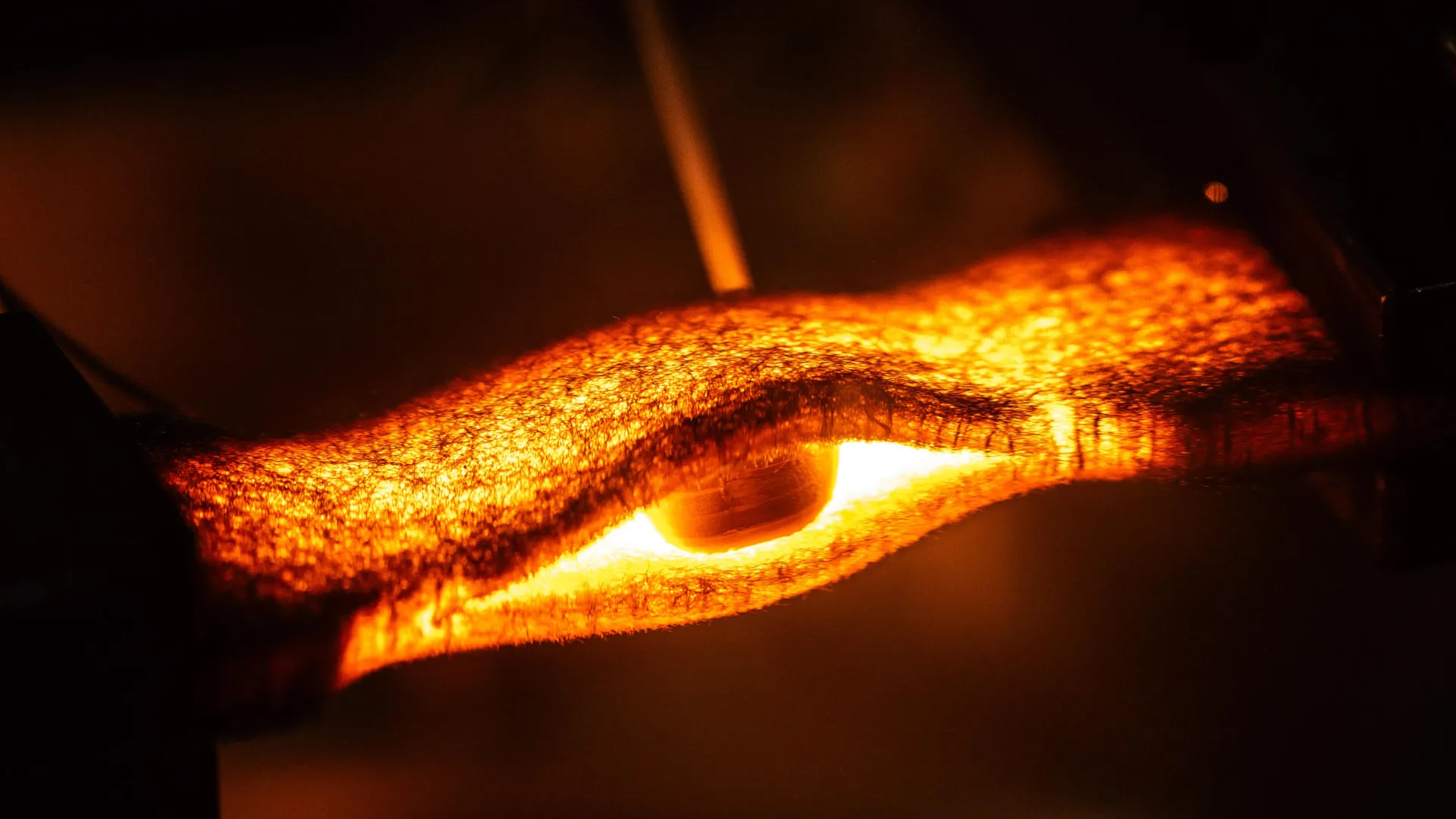
The research team achieved this compression by optimizing the sintering process itself. Rather than heating zirconia crowns slowly over extended periods, they refined the thermal profile to reduce processing time without compromising mechanical strength. The result preserves the material's hardness and fracture resistance while eliminating the delays that have made in-office 3D printing impractical for permanent restorations.
The implications ripple across dental practice. Current chairside 3D printers can already handle the printing phase in minutes. With sintering cut from hours to half an hour, dentists could theoretically prepare a tooth, scan it, design the crown, print it, sinter it, and seat it in a single session. Patients avoid multiple appointments and temporary restorations, reducing the discomfort and complexity of crown procedures. Dentists gain faster turnaround and reduced lab dependence.
Zirconia crowns printed in-office also promise better customization. Digital design allows precise anatomical matching, thinner walls than traditionally milled crowns, and exact marginal fits. The digital workflow captures tooth color and shape from high-resolution scans, minimizing the guesswork inherent in lab-based fabrication. For patients with complex cases or those seeking faster solutions, the difference becomes tangible.
The limitations warrant attention. A single study demonstrating speed gains does not guarantee clinical validation across all dental scenarios. The research must now progress through testing in actual clinical environments, where factors like saliva, moisture control, and patient variability could affect outcomes. Long-term durability data remains pending; crowns printed and sintered quickly need proof they perform as well over years as traditionally processed restorations. Insurance coverage and regulatory approval present additional hurdles, as dental boards and payers evaluate whether chairside 3D printing meets established standards for permanent restorations.
Material cost also remains to be addressed. Zirconia powder and printer maintenance require upfront investment. Smaller practices may find the transition financially prohibitive, potentially widening the gap between high-tech and traditional practices. Standardization across different printer manufacturers and sintering protocols will shape whether this becomes industry standard or remains a specialty service.
The acceleration from concept to clinic hinges on clinical trials demonstrating that fast-sintered zirconia performs identically to traditionally processed material in the mouth. Dental schools and practitioners will likely pilot the technology before adoption broadens. If durability holds, dentists could transform crown appointments from a two-visit ordeal into a single-session experience, eliminating temporaries and reducing downstream complications.