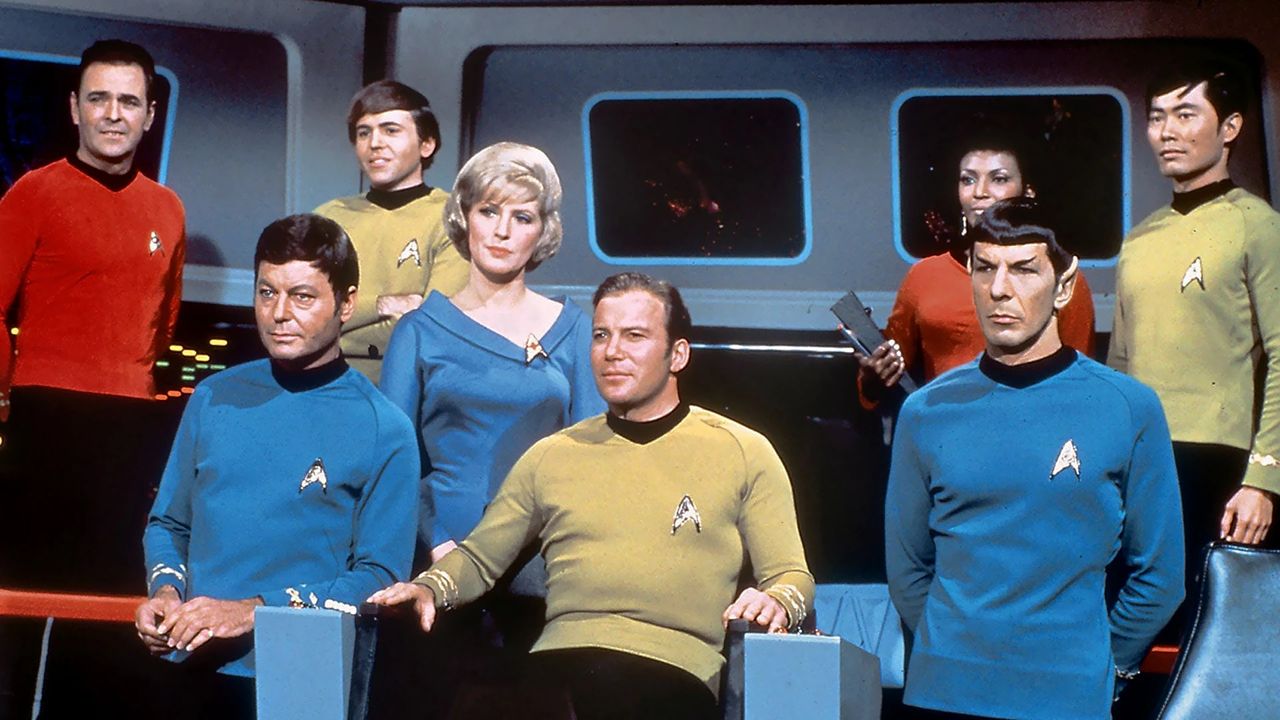
A new documentary centered on William Shatner enters theatrical release this fall, marking a major celebration of Star Trek's six-decade legacy. The film serves as a comprehensive tribute to the franchise that began with the original series in 1966 and has since evolved into a sprawling universe spanning multiple shows, films, and cultural phenomena.
Shatner, who portrayed Captain James T. Kirk in the original series and reprised the role across subsequent films, anchors this documentary project. His involvement lends historical weight and insider perspective to the storytelling, as he witnessed the show's creation during its initial run and has remained connected to the franchise throughout its evolution.
The documentary arrives during a period of unprecedented expansion for Star Trek. Paramount has produced numerous series in recent years, including Discovery, Picard, Strange New Worlds, and Lower Decks, each targeting different audience segments and storytelling approaches. The original series, which ran for just three seasons before cancellation, has transformed into a multi-billion-dollar entertainment enterprise that influences science fiction across all media formats.
Trek's cultural footprint extends far beyond television and film. The franchise pioneered concepts that have shaped technology development, inspired actual scientific research, and created a dedicated fandom that has sustained the property through decades of varying commercial success. The original series introduced the flip phone concept, predicted tablet computers, and featured storylines addressing social issues contemporaneous to the 1960s, from racial integration to Cold War tensions.
The documentary's framing as "a love letter to Star Trek" indicates an approach focused on genuine affection for the material rather than critical deconstruction. This positioning suggests the filmmakers intend to celebrate the franchise's achievements while acknowledging its impact on popular culture and science fiction as a genre.
Theatrical releases for documentaries targeting fan communities represent a deliberate strategy to capture audience enthusiasm and generate box office revenue alongside streaming availability. This approach has succeeded with other franchise documentaries and behind-the-scenes explorations that attracted viewers beyond casual fans.
The timing of this release reflects Trek's 60th anniversary milestone. Productions marking such anniversaries typically incorporate archival footage, interviews with key creators and performers, and retrospective analysis of how the franchise has evolved across decades. Shatner's participation suggests access to personal accounts and anecdotes from the original series production, offering perspectives unavailable through other sources.
The documentary's theatrical debut this fall positions it as a significant event for Trek enthusiasts while introducing the franchise's history to potential new audiences discovering the series through recent Paramount+ productions. The convergence of anniversary celebration, theatrical release, and Shatner's involvement creates a cultural moment centered on acknowledging Trek's enduring relevance in science fiction and popular entertainment.
For longtime fans, the documentary provides validation of Trek's cultural importance and artistic merit. For newcomers exploring the franchise through contemporary series, it offers context explaining why the original show remains foundational to understanding modern Star Trek storytelling and its ambitious narrative goals.