# Yeast Supplement Shows Promise for Enhancing Anti-Cancer Immunity in Mice
Researchers have identified a mechanism by which yeast beta-glucan, a compound found in baker's yeast cell walls, may reprogram bone marrow immune cells to mount more effective responses against multiple cancer types. The finding emerged from laboratory studies conducted in mice and represents an early-stage exploration into how common food components might be leveraged for immunotherapy.
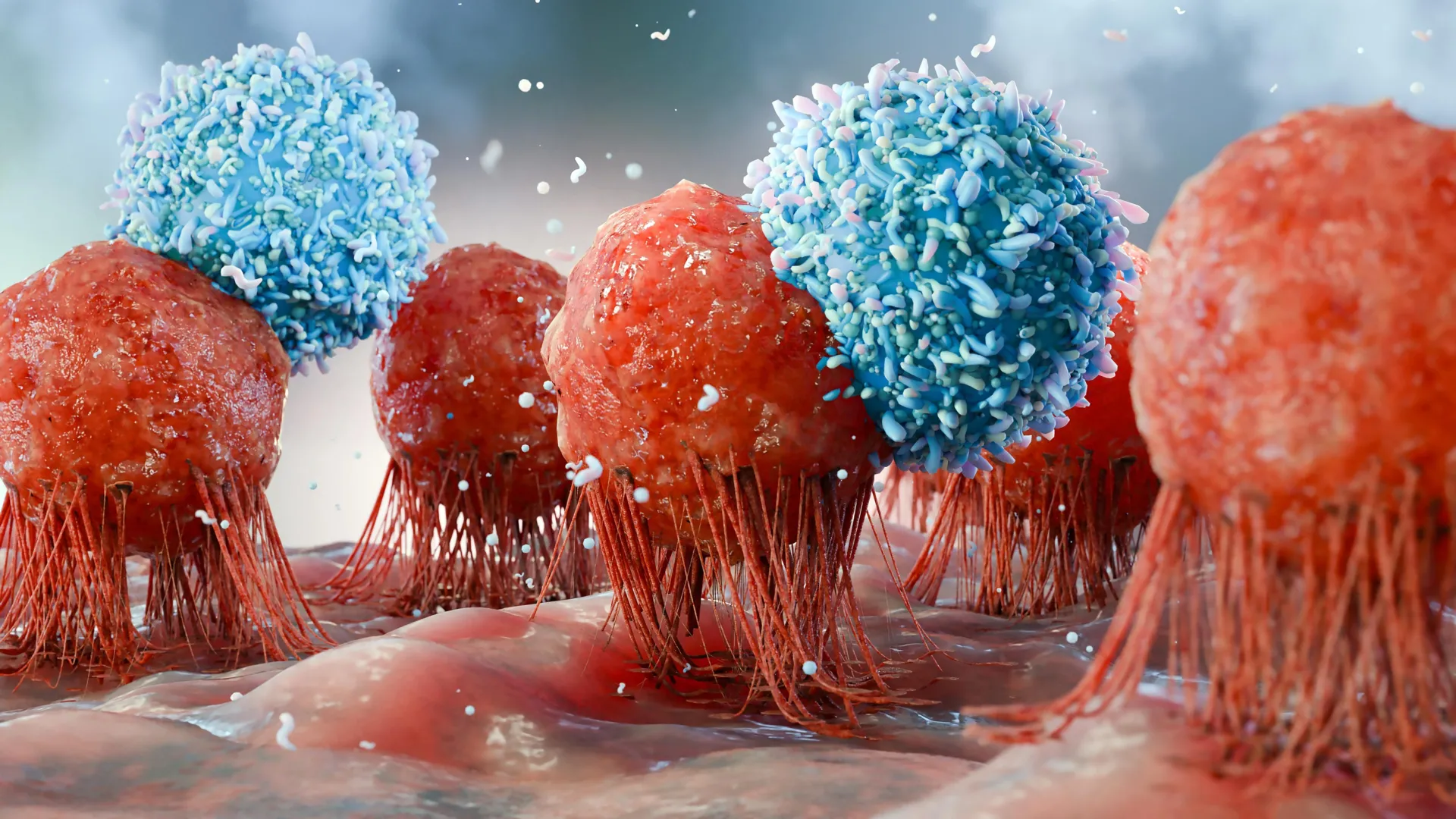
Beta-glucans are polysaccharides abundant in yeast, fungi, and grains. The new research demonstrates that oral consumption of yeast beta-glucan altered the development of early-stage immune cells within the bone marrow, generating immune cells with enhanced anti-tumor properties. Scientists observed these reprogrammed cells mounting stronger and more durable responses against colorectal cancer, melanoma, and breast cancer cells in experimental settings.
The mechanism appears to work through epigenetic modification, where beta-glucan exposure changes how immune genes are expressed without altering underlying DNA sequences. This leads to the creation of more aggressive and persistent cancer-fighting cells. The advantage of sustained responses lies in tumor control. Cancer cells frequently evade short-term immune attacks by entering dormancy or adapting to initial immune pressure. Longer-lasting immune responses reduce these escape routes.
The work builds on earlier observations that beta-glucans trigger pattern recognition receptors on immune cells, particularly through the Dectin-1 pathway. This activation appears sufficient to reprogram myeloid progenitor cells in bone marrow, the precursors to neutrophils and macrophages. These reprogrammed cells then circulate throughout the body with enhanced tumor-killing capacity.
Several caveats accompany these findings. Mouse models do not always translate to human biology, particularly in cancer immunology where tumor microenvironments and immune system complexity vary considerably between species. The research used in vitro and murine systems, not human subjects. Additional work must establish whether oral beta-glucan supplementation produces similar reprogramming in human bone marrow cells and whether the effect persists long enough to provide clinical benefit.
Dosing represents another open question. Natural yeast consumption occurs at vastly lower levels than experimental doses. Scaling up from laboratory conditions to practical supplementation requires optimization. The research also did not test whether beta-glucan works synergistically with existing immunotherapies like checkpoint inhibitors, which represent current standard-of-care approaches for many cancers.
Beta-glucans derived from various sources, including baker's yeast, already appear in many dietary supplements and functional foods marketed for immune support. This study provides mechanistic rationale for those products, though it does not constitute proof that supplementation prevents or treats cancer in people.
The findings suggest a pathway worth pursuing in human clinical trials. If beta-glucan supplementation proves safe and effective at enhancing cancer immunity in people, it could offer a low-cost, accessible complement to existing cancer treatments. Next steps would involve testing whether the immune reprogramming observed in mice occurs in human bone marrow samples and whether it translates into measurable clinical benefits during cancer treatment.