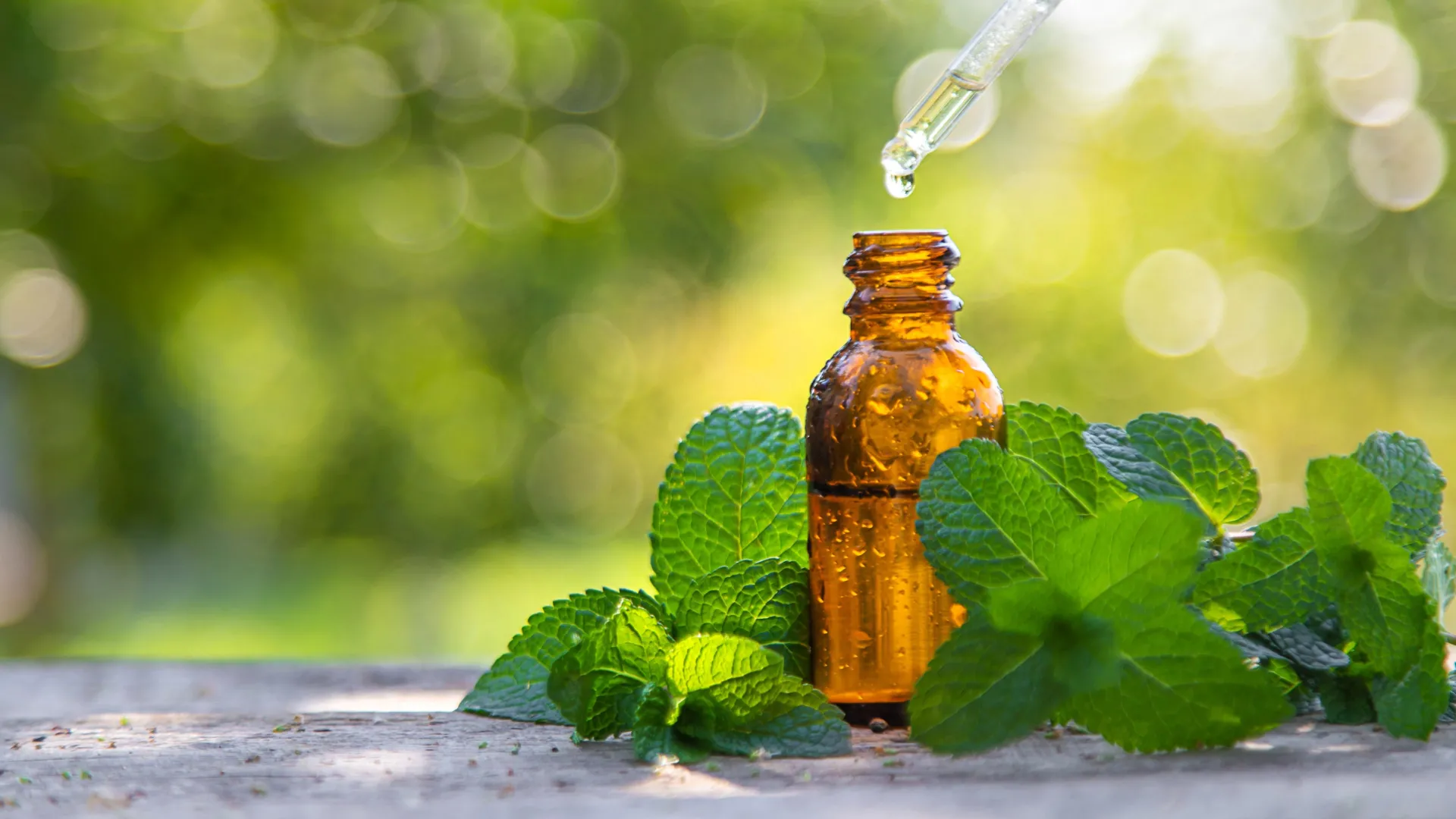
A small clinical trial found that peppermint oil reduced systolic blood pressure in adults with mild hypertension over a three-week period. Participants who consumed a low dose twice daily experienced an average drop of 8.5 millimeters of mercury, compared to minimal change in those receiving placebo.
The finding emerged from research examining peppermint oil's pharmacological properties. The oil contains menthol and other compounds that may influence vascular function. Menthol acts as a calcium channel modulator, potentially relaxing smooth muscle in blood vessel walls and improving blood flow. This mechanism aligns with how certain classes of blood pressure medications operate, though peppermint oil works through a different pathway.
The 20-day intervention period represents a relatively short timeframe for assessing cardiovascular interventions. Systolic blood pressure readings above 130 mmHg qualify as Stage 1 hypertension according to current medical guidelines, though readings between 120-129 mmHg fall into an elevated category. An 8.5 mmHg reduction falls within clinically meaningful territory, as even modest pressure reductions lower cardiovascular disease risk.
Researchers recognize peppermint oil's accessibility and low cost as potential advantages. Unlike prescription antihypertensive medications, peppermint oil is commercially available without prescription and costs pennies per dose. For individuals with mild elevations or those seeking complementary approaches alongside conventional treatment, the option warrants consideration. No serious adverse events were reported in the trial participants.
Several limitations constrain interpretation of these results. The trial's short duration prevents assessment of long-term effectiveness or whether benefits persist after discontinuation. Sample sizes remain unreported in available summaries, affecting statistical confidence. Individual variation in response to herbal interventions is substantial, and genetic factors influence how people metabolize peppermint compounds. The specific oil formulation, concentration, and preparation method were not detailed, complicating reproducibility and real-world application.
Hypertension affects nearly 50 percent of American adults and represents a leading risk factor for heart disease and stroke. Current standard treatment involves lifestyle modifications including sodium reduction, weight loss, increased physical activity, and stress management, combined with medications when necessary. First-line agents include ACE inhibitors, beta-blockers, calcium channel blockers, and diuretics, all with established safety and efficacy profiles from decades of clinical use.
Herbal remedies occupy an ambiguous space in medical practice. Regulatory agencies classify many botanical products as dietary supplements rather than drugs, resulting in less rigorous testing and oversight than pharmaceutical compounds. Peppermint oil quality and potency vary substantially across manufacturers, and interactions with certain medications remain incompletely characterized. Patients taking blood pressure medications should consult healthcare providers before adding peppermint oil, as combined effects remain unknown.
Future research should extend observation periods to months or years, enroll larger participant groups, and examine whether benefits plateau or diminish over time. Mechanistic studies could clarify how menthol influences vascular biology at the molecular level. Comparative trials against established supplements and conventional medications would establish peppermint oil's place within hypertension management strategies.
The current evidence suggests peppermint oil deserves further investigation as a potential adjunctive therapy. Its safety profile and affordability make it reasonable for individuals with borderline elevations to discuss with their physicians. This should not replace conventional treatment for diagnosed hypertension, but rather complement established approaches under medical supervision.