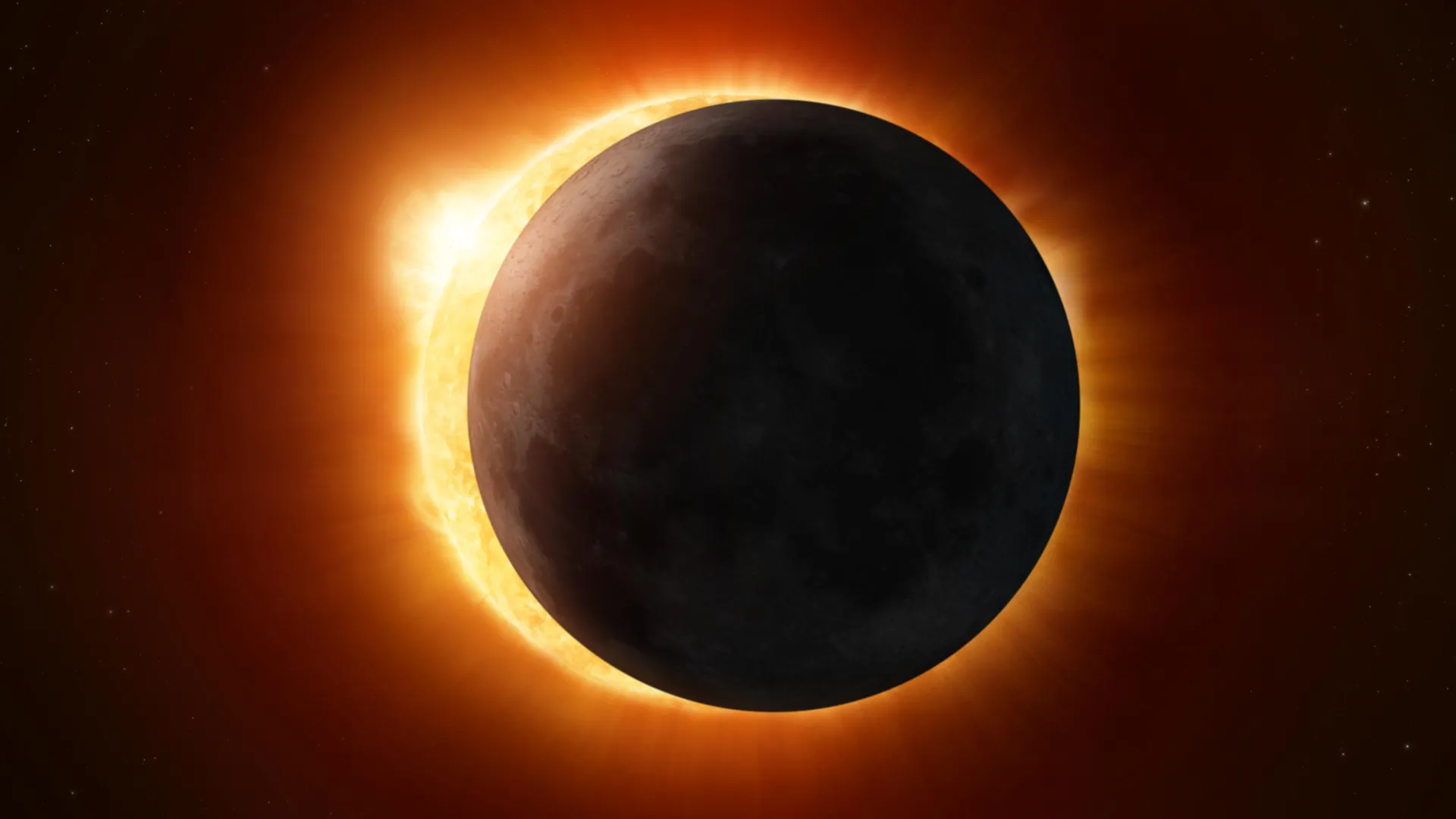
A total solar eclipse will sweep across Europe on August 12, 2026, delivering over a minute of complete darkness to parts of Spain and other regions. The European Space Agency will broadcast live coverage from the Javalambre Observatory in Spain, where the eclipse will last 1 minute and 21 seconds at totality. The livestream will combine telescope feeds, drone footage, and expert analysis starting at 20:31 CEST.
During totality, observers will witness the Sun's corona, its outer atmosphere normally invisible due to the Sun's overwhelming brightness. The corona reveals magnetic structures and plasma dynamics that scientists use to understand solar behavior and space weather. This eclipse provides a rare opportunity for scientists to study the corona without expensive space-based instruments, though ground-based observations remain limited to the narrow path of totality.
Spain positions itself as an ideal viewing location for this eclipse. The path of totality will cross the Iberian Peninsula and other European regions, making it accessible to millions of people across the continent. Javalambre Observatory's high-altitude location in eastern Spain provides clearer skies and less atmospheric disturbance than lower elevations.
The ESA's decision to livestream from a professional observatory reflects the public appetite for eclipse events. While ground-based viewing remains the most direct experience, live broadcasts extend access to people unable to travel to the path of totality or those facing weather challenges. Drone footage will offer unique perspectives of the eclipse's progression across the landscape.
Total solar eclipses occur when the Moon passes directly between Earth and the Sun, blocking the solar disk completely. These events happen roughly every 18 months somewhere on Earth but strike any given location only once every 200 to 300 years. The 2026 eclipse follows the North American total solar eclipse of August 2017 and precedes another major eclipse in 2027.