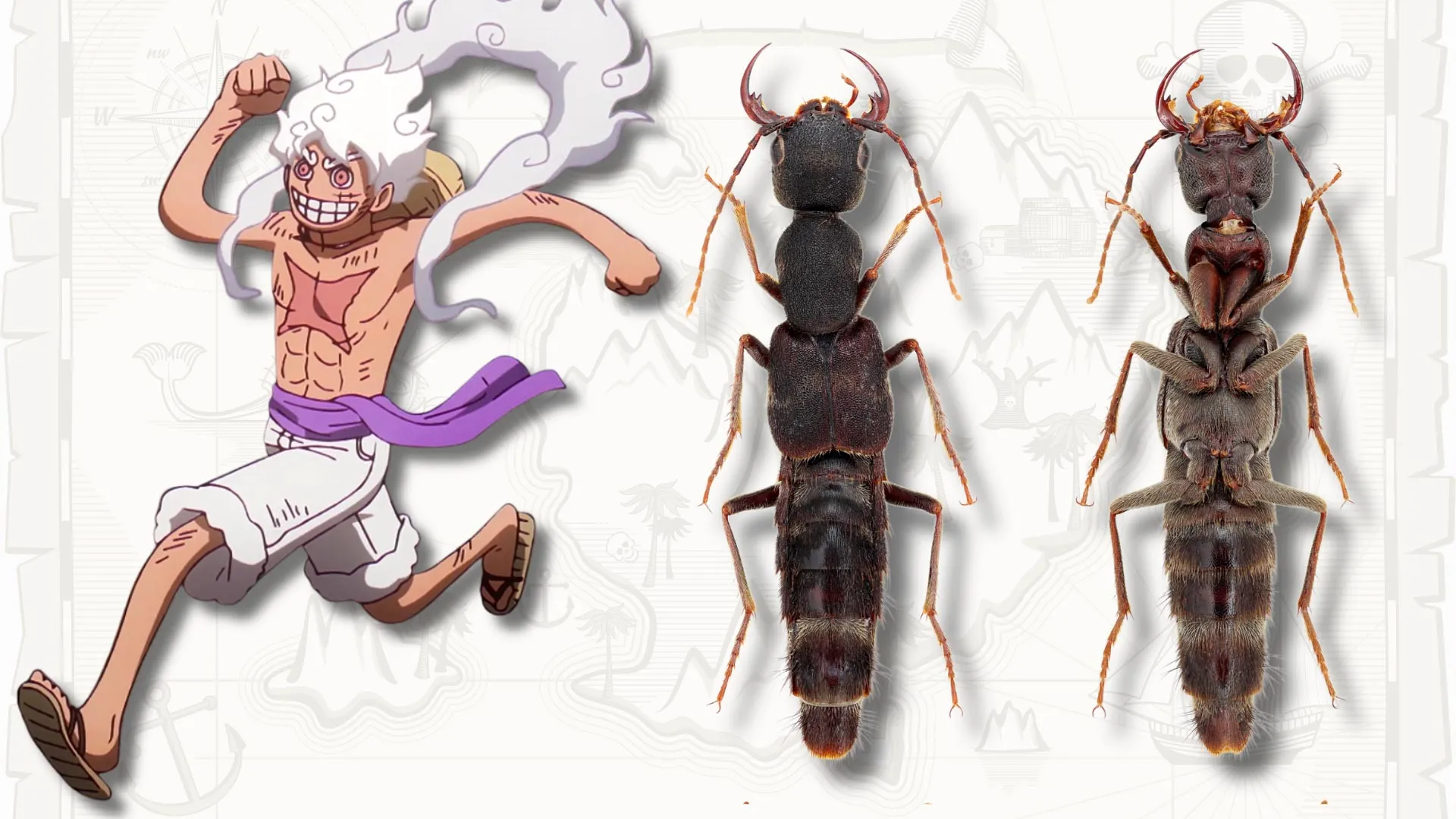
Taxonomists working on insect classification have formally described a new beetle genus with an unexpected pop culture reference. The researchers named it Luffy, drawing inspiration from the protagonist of the manga and anime series One Piece, whose defining power allows him to stretch his body elastically.
The naming choice reflects the beetles' most striking anatomical feature: extraordinarily elongated mandibles, antennae, and mouthparts that give the insects an exaggerated, stretched appearance. This morphological adaptation sets them apart from other beetle lineages and warranted classification as a distinct genus.
The decision to use a manga character name in formal scientific nomenclature demonstrates how taxonomy, traditionally bound by Latin conventions, increasingly incorporates contemporary cultural references. While scientific names must follow International Code of Zoological Nomenclature rules, the genus name Luffy appears acceptable under current guidelines. The practice reflects both the researchers' creativity and the accessibility they seek to bring to scientific work.
Beetles represent Earth's most diverse animal group, with over 400,000 described species. New genera continue to emerge from systematic reviews and field expeditions, particularly in regions with high biodiversity. Characterizing beetle morphology through formal description requires detailed examination of chitinous structures, body proportions, and comparative analysis against existing taxa.
The stretched appearance of Luffy's mouthparts likely reflects ecological adaptation. Elongated mandibles and feeding apparatus often correlate with specialized diet preferences, enabling beetles to access resources competitors cannot reach. This morphological specialization may indicate the genus occupies a distinct ecological niche.
The research underscores how taxonomic work combines rigorous morphological analysis with contemporary culture. While the informal naming captures attention, the actual scientific contribution lies in precisely documenting the beetles' diagnostic characters and establishing their phylogenetic position within Coleoptera. Future research will likely reveal more about these insects' ecology, distribution, and evolutionary relationships