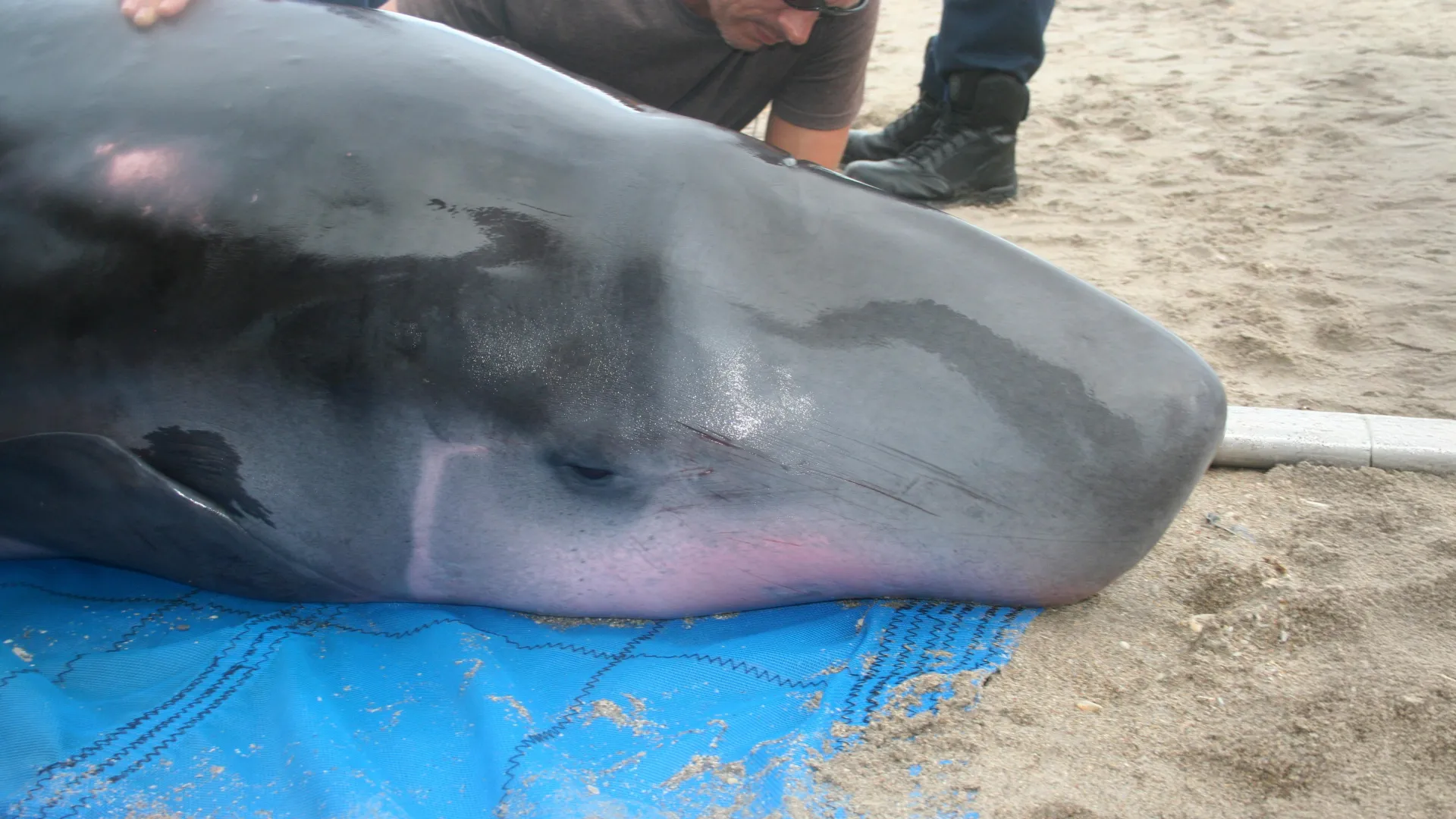
Researchers examining stranded pygmy sperm whales discovered three new bacterial species that may play a role in the animals' digestive disease. The team analyzed stomach samples from four whales and identified previously unknown Helicobacter bacteria, a genus known for causing ulcers in humans and other animals.
All four infected whales exhibited severe gastrointestinal pathology. Their stomachs showed inflammation, ulceration, scarring, and concurrent parasite infestations. The researchers could not definitively link the bacteria to the whales' deaths, but the consistent presence of tissue damage alongside the novel pathogens suggests a connection worth investigating.
Pygmy sperm whales remain poorly understood. They inhabit deep ocean waters and rarely interact with humans, making field research nearly impossible. Most scientific knowledge comes from stranded specimens, which provide windows into their biology and health. These whales typically strand alone or in small groups, offering limited data points for researchers.
Helicobacter bacteria colonize the stomach lining of various mammals and birds. In humans, certain Helicobacter species cause chronic gastritis and peptic ulcers. The discovery of three new species in pygmy sperm whales expands the known diversity of this bacterial genus and raises questions about how widespread these infections might be in healthy populations.
The findings arrive from systematic analysis of stranding records, likely spanning multiple decades and institutions. Scientists preserved stomach tissue from deceased whales and applied modern molecular techniques to identify the bacterial species. This approach combines traditional marine mammal pathology with contemporary genetic sequencing.
Understanding pathogen burden in elusive whale species matters for conservation and marine ecosystem health. If these bacteria contribute to morbidity or mortality in pygmy sperm whales, the discovery could help explain stranding events. Future work should examine whether these infections occur in populations beyond the stranded animals studied here and whether environmental stressors increase