Researchers analyzing DNA from a 4,000-year-old skeleton discovered near Stonehenge have upended decades of assumptions about the burial's occupant. The individual, long identified as a male shaman based on skeletal morphology, was actually a woman, according to genetic testing.
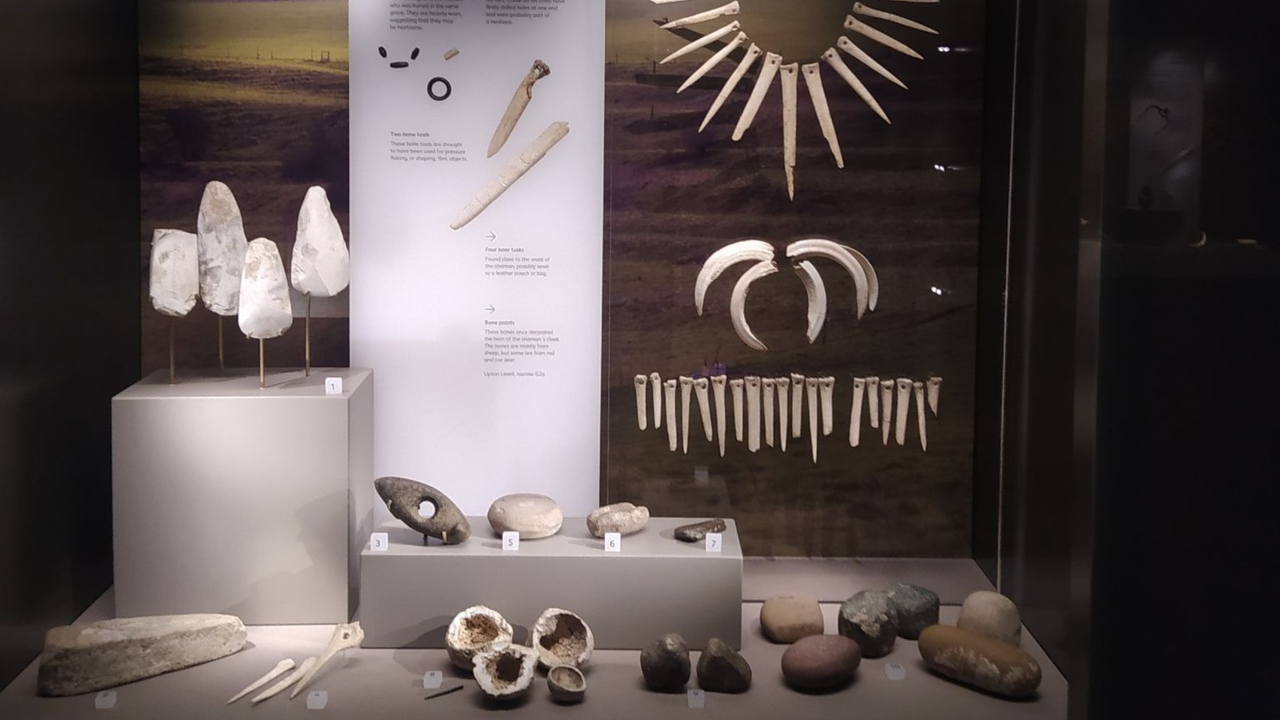
The skeleton was buried with an elaborate metalworking tool kit, a cache of artifacts that led archaeologists to assign a male identity to the remains. This assumption reflected a common bias in archaeological interpretation, where complex craftsmanship and high-status burials were routinely attributed to men.
The DNA analysis reveals the fallacy of such assumptions. The woman's burial with sophisticated metalworking equipment demonstrates that Bronze Age women held specialized knowledge and performed skilled labor traditionally coded as masculine in modern archaeological interpretation. Her grave goods include tools associated with tin and copper work, indicating she held expertise in metalworking during a period when metallurgical knowledge was rare and valuable.
This discovery joins a growing body of research showing that gender roles in prehistoric societies were more fluid and varied than earlier scholarship suggested. Recent studies have similarly challenged assumptions about the division of labor in ancient communities. Archaeological evidence increasingly points to women participating in hunting, warfare, craftsmanship, and religious practices.
The skeleton's proximity to Stonehenge adds another layer of intrigue. If the woman held shamanic or ritual status, as her grave goods suggest, her burial near one of Europe's most significant megalithic monuments underscores the authority women wielded in Bronze Age spiritual and economic life.
This finding illustrates how DNA technology has become essential for correcting interpretive errors embedded in older excavation records. Many skeletons in museums were classified by sex based on assumptions about bone structure rather than rigorous analysis. Modern genetic testing provides a check on these historical misidentifications, allowing archaeologists to reassess who performed which roles in ancient societies and challenging persistent stereotypes about prehistoric