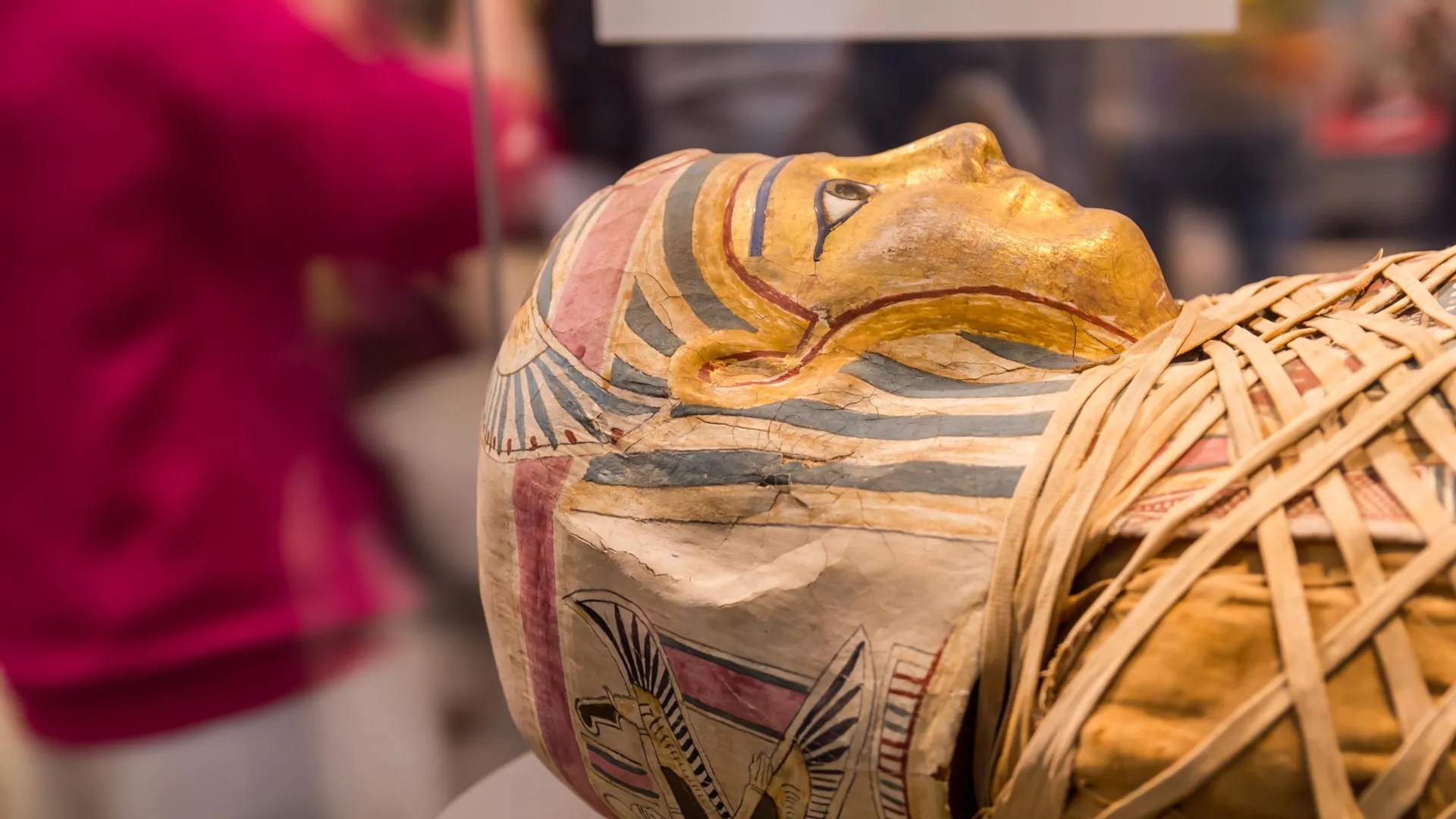
Archaeologists in Egypt uncovered a 1,600-year-old mummy containing a papyrus fragment from Homer's Iliad, marking the first known instance of a Greek literary text deliberately used in the mummification process.
The papyrus belongs to the "Catalogue of Ships," one of the Iliad's most recognizable passages, which lists the Greek naval forces assembled for the Trojan War. Researchers identified the fragment during examination of the mummy's wrappings and embalming materials, where scribes had incorporated the text into the burial preparation.
The discovery reveals unexpected connections between Greek literature and Egyptian funerary practices during the Roman period, when both cultures coexisted in Egypt. By 1,600 years ago, Greek had become widely spoken in Egypt following Alexander the Great's conquest three centuries earlier. The deliberate inclusion of Homer suggests the deceased or their family possessed significant literacy and valued Greek cultural heritage enough to incorporate it into their most sacred ritual.
This finding adds crucial context to understanding how classical literature circulated and was valued in late antiquity. Most surviving copies of Homer come from medieval manuscripts copied centuries after the original texts. Archaeological evidence like papyri provides direct windows into what ancient people actually read and possessed.
The mummy's burial context indicates the individual held some status, as commissioning custom wrappings with literary passages would have required resources and access to educated scribes. The choice of the Catalogue of Ships, describing heroic warriors and naval might, may have carried symbolic weight for the burial, connecting the deceased to themes of heroism and immortality that resonated across Greek and Egyptian cultures.
The research team has not yet published detailed findings in a peer-reviewed journal, though the discovery has generated interest in the archaeology community. Future analysis of the papyrus may reveal additional text or provide dating refinement. Similar mummies and papyri warrant reexam