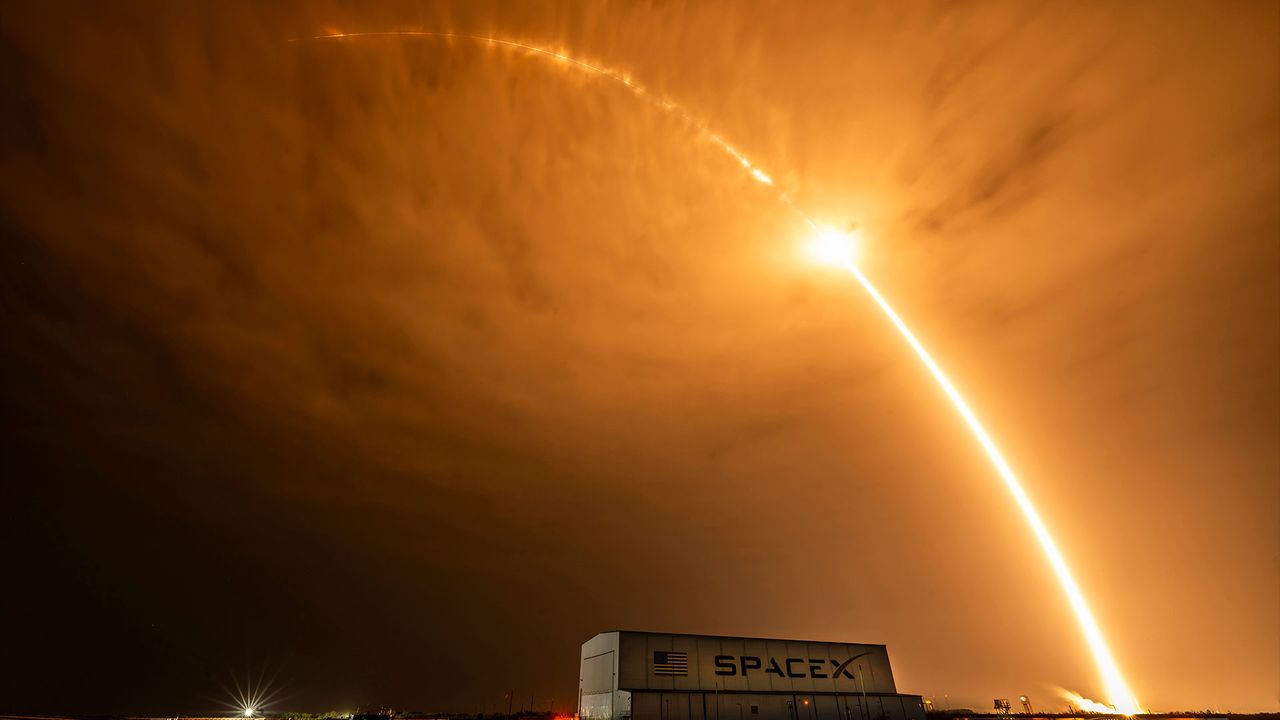
SpaceX achieved a spaceflight milestone on July 13-14, 2026, launching Starlink satellites on two Falcon 9 rockets from opposite U.S. coasts just eight hours apart. The second launch marked the 600th use of a flight-proven booster, underscoring the company's rapid expansion of orbital operations and reusable rocket technology.
The dual launches showcased SpaceX's operational tempo. One rocket lifted off from the West Coast while the second launched from the East Coast within a single day window. Both missions delivered Starlink satellites to orbit as part of Elon Musk's ongoing effort to build a global internet constellation.
The 600th flight-proven booster launch represents a watershed moment for commercial spaceflight. Falcon 9 boosters routinely land themselves after launch, then undergo refurbishment and fly again. This reusability model has transformed launch economics by reducing per-flight costs compared to expendable rockets. SpaceX has systematized booster turnaround, with some rockets flying multiple times within months.
The milestone reflects the scale of SpaceX's Starlink deployment. The constellation requires continuous satellite replenishment to maintain coverage and replace aging hardware. Each Falcon 9 can loft roughly 50 Starlink satellites at a time, making frequent launches essential. The company has conducted dozens of Starlink missions annually for the past several years.
SpaceX's ability to launch from both coasts simultaneously demonstrates infrastructure maturity. The company operates Launch Complex 39A at Kennedy Space Center in Florida and Space Launch Facility 4 at Vandenberg Space Force Base in California. This geographic flexibility allows faster cadence and provides redundancy if weather or maintenance affects one site.
The 600th flight-proven booster launch also highlights competition pressures in commercial spaceflight. Blue Origin and other