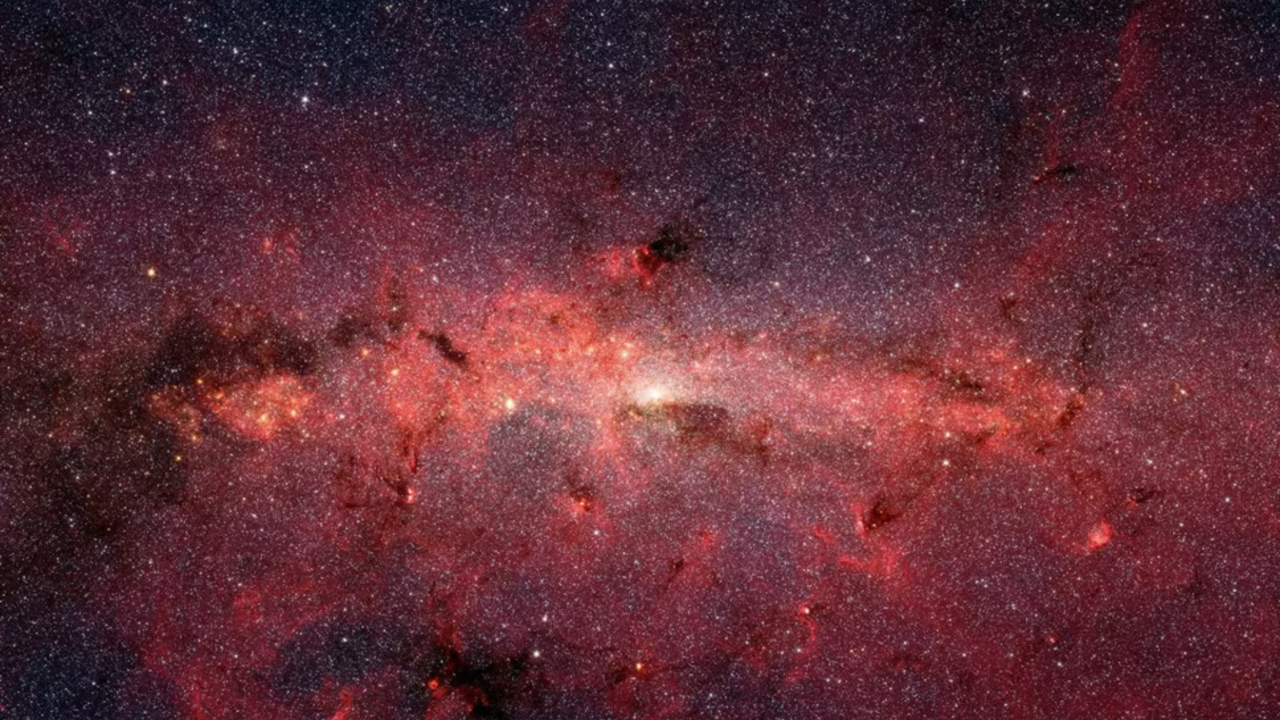
Astronomers have detected aldopentose, a five-carbon sugar chemically similar to ribose, in interstellar space for the first time. The discovery reveals that complex organic molecules essential to life can assemble spontaneously in the harsh environment between stars, offering fresh perspective on how the building blocks of biology emerge in the cosmos.
The research team identified the sugar using radio telescope observations of a giant molecular cloud, likely capturing the molecule's unique spectral fingerprint. Ribose serves as a critical component of RNA, the genetic material that many scientists believe preceded DNA in early life. Finding its chemical cousin in space strengthens the hypothesis that the molecular ingredients for life are not rare accidents but rather natural products of stellar chemistry.
The detection represents a breakthrough in astrobiology because it demonstrates complex carbohydrates can form through routine chemical processes occurring in cold, radiation-rich regions far from any star. Previous studies had confirmed simpler sugars and amino acids in meteorites and space dust, but aldopentose marks the first confirmed discovery of a five-carbon sugar in the interstellar medium itself.
The significance extends beyond mere detection. If sugars assemble readily in space, then early Earth likely received a substantial chemical inheritance when meteorites and comets delivered these compounds during planetary formation. This delivery system could have accelerated the emergence of biological chemistry without requiring life to spontaneously generate its own molecular toolkit from scratch.
However, the finding carries limitations. Astronomers observed only one instance of the molecule in one location. Confirming aldopentose exists elsewhere in space requires additional observations across different molecular clouds. The detection method also cannot fully rule out alternative chemical explanations for the observed spectral data, though researchers maintain their identification is robust.
The work builds momentum in the field of molecular astrobiology, where scientists increasingly map the chemical diversity present in space. Each discovery narrows the gap between non-living chemistry and