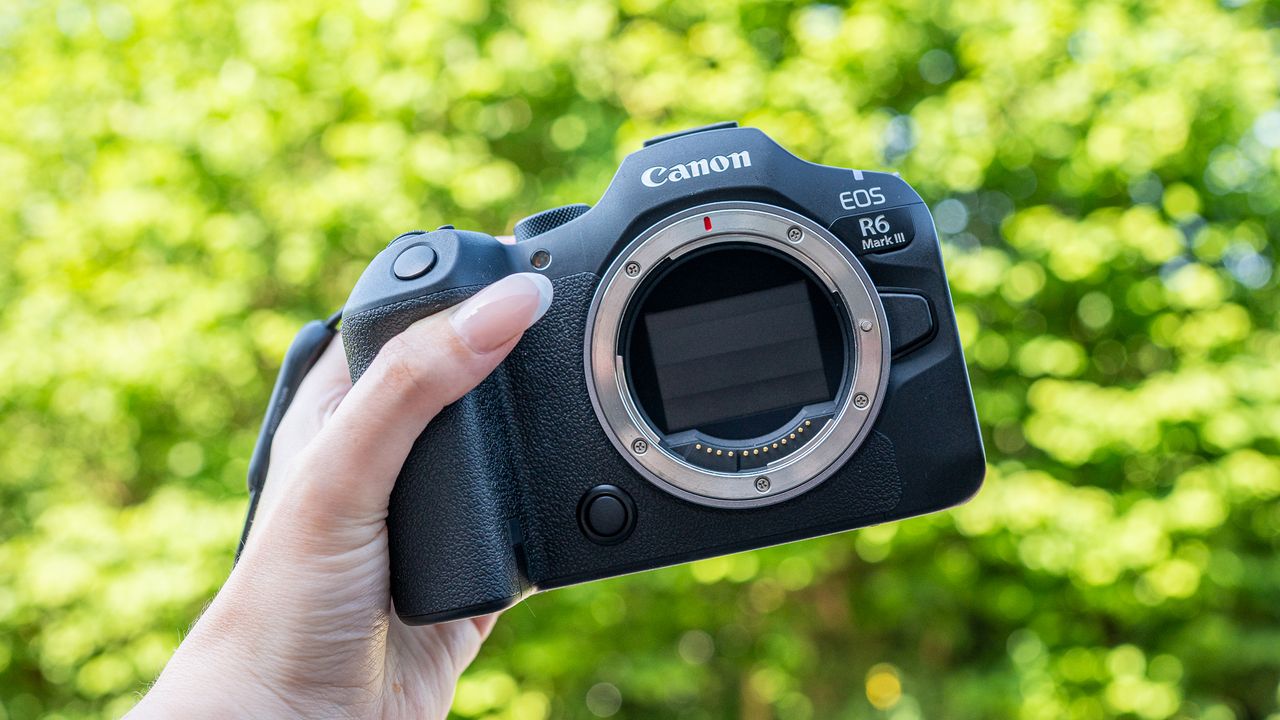
Canon released the EOS R6 III, a mirrorless camera that delivers professional-grade performance for wildlife photographers without professional-grade complexity or price. The camera combines speed, autofocus reliability, and image quality in a body accessible to serious enthusiasts and semi-professional users.
The EOS R6 III builds on Canon's R-series mirrorless platform, emphasizing fast continuous shooting and sophisticated autofocus tracking. Wildlife photography demands cameras that lock onto fast-moving subjects and maintain focus across unpredictable action. Canon engineered the R6 III to handle these demands through improved sensor technology and processing speed compared to earlier R-series models.
Key specifications include a full-frame sensor optimized for detail in various lighting conditions and autofocus performance that Canon refined specifically for tracking animals in motion. The camera body balances weight and durability, important for photographers carrying gear into remote environments. Battery life addresses the reality of long field sessions where changing batteries becomes impractical.
The price point positions the R6 III between consumer and professional tiers. Professional wildlife cameras from Canon and other manufacturers cost significantly more while offering marginal gains that matter mainly to working professionals shooting for publications. The R6 III captures that competitive middle ground.
Canon's lens ecosystem for the R-mount provides telephoto options essential for wildlife work. The system continues expanding with dedicated wildlife lenses that pair effectively with the camera body.
The review notes that the R6 III produces images with natural color rendering and detail preservation across ISO ranges typical for wildlife photography. Dynamic range handling allows photographers to recover shadow and highlight information in challenging field conditions.
Limitations exist for users requiring 8K video or specialized professional features. The autofocus system excels with standard subjects but may require manual adjustments for unusual scenarios. Build quality emphasizes reliability rather than ruggedness beyond typical field use.
For wildlife photographers balancing budget with capability