Researchers testing an experimental Alzheimer's drug reported modest but measurable benefits in a clinical trial, though the results contain an unexpected complication that complicates interpretation of the findings.
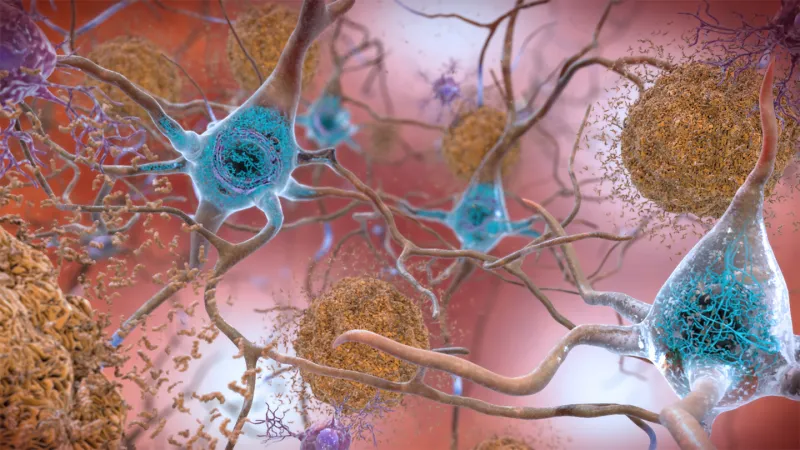
The drug successfully reduced tau protein levels in the brain, a pathological hallmark of Alzheimer's disease. Tau tangles accumulate in neurons and contribute to cognitive decline. The trial also showed the treatment slowed memory loss in participating patients, though the degree of slowing remained modest compared to disease progression in untreated individuals.
The surprise element emerged in how the drug achieved these results. While the mechanism initially appeared straightforward, the data revealed the treatment works through an unexpected biological pathway. This discovery reshapes understanding of how tau-targeting therapies function and may influence development of next-generation drugs.
The trial enrolled patients with early cognitive decline or mild dementia stages. Researchers measured tau levels using brain imaging and biomarkers in cerebrospinal fluid. Memory testing occurred at regular intervals throughout the study period. Results demonstrated statistically significant reductions in tau accumulation compared to placebo groups.
The memory benefits, while present, require careful interpretation. Patients receiving the drug showed slower cognitive decline than control participants, but the absolute difference measured modest improvements over the trial duration. Researchers emphasized the importance of treating patients early in disease progression when intervention may prove most effective.
The unexpected mechanism raises both promise and questions. Understanding how the drug actually lowers tau could accelerate development of more potent therapies targeting the same pathway. However, the surprise finding also suggests researchers may not fully grasp how current treatments work, potentially limiting optimization efforts.
Experts cautioned against overstating results. Alzheimer's disease develops through multiple biological processes beyond tau accumulation, and treating one factor produces limited clinical benefit. Combination therapies targeting both tau and amyloid beta proteins may prove necessary for meaningful cognitive preservation.
The researchers plan additional trials