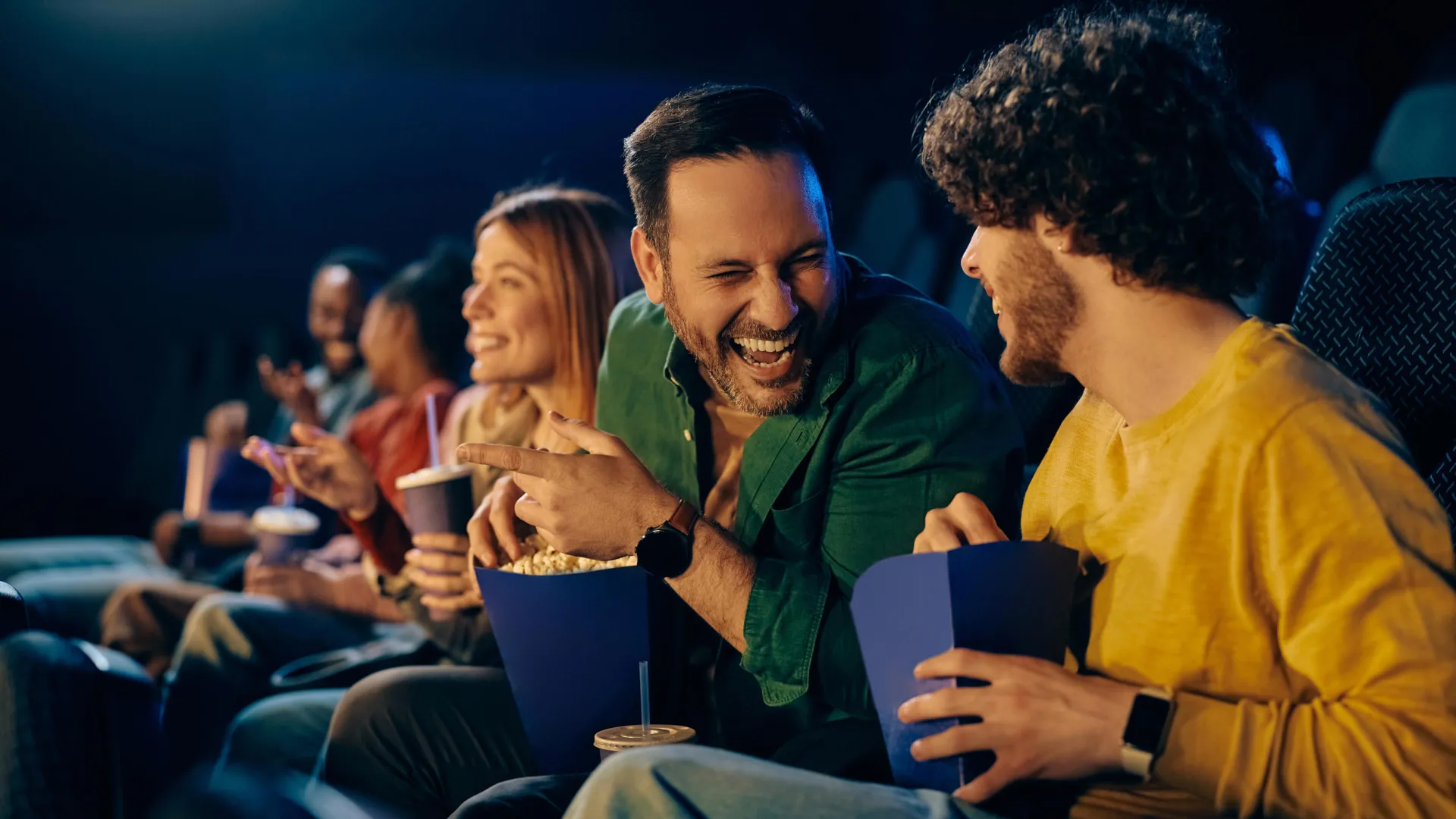
Older adults who regularly attend museums, movies, theaters, and concerts show biological signs of aging three years slower than peers who engage in these activities infrequently, according to recent research. The study examined how participation in cultural events correlates with physical function and aging markers in older populations.
Researchers attribute the association to several overlapping mechanisms. Regular cultural engagement strengthens social connections, which numerous studies link to better health outcomes. These activities also support mental health through cognitive stimulation and emotional enrichment. Additionally, people who frequently attend cultural venues may adopt healthier lifestyle habits more broadly, including physical activity and social interaction.
The findings emerge from longitudinal data tracking older adults over time, comparing those with high versus low cultural participation rates. Participants in the high-engagement group demonstrated improved physical functioning tests, better cardiovascular markers, and other indicators typically associated with younger biological age.
However, researchers emphasize a critical limitation. The study identifies correlation, not causation. They cannot yet confirm whether cultural activities directly slow aging processes or whether healthier, more socially active people simply gravitate toward museums and theaters. Reverse causality remains possible. Wealthier, more educated populations with better health access might also attend more cultural events.
The work builds on growing evidence that lifestyle factors beyond diet and exercise influence aging trajectories. Previous research has linked social isolation to accelerated aging and associated cognitive decline. Cultural participation combines multiple protective factors simultaneously: mental engagement, social connection, and stress reduction.
Researchers call for randomized controlled trials to test whether encouraging sedentary older adults to attend cultural events produces measurable health improvements. Such studies would help clarify whether arts and culture should become recognized components of healthy aging strategies. If the mechanism proves causal rather than correlational, public health initiatives could promote subsidized cultural access for older populations as a preventive health intervention.
The findings suggest that enrichment and connection operate as biological investments. Even if cultural