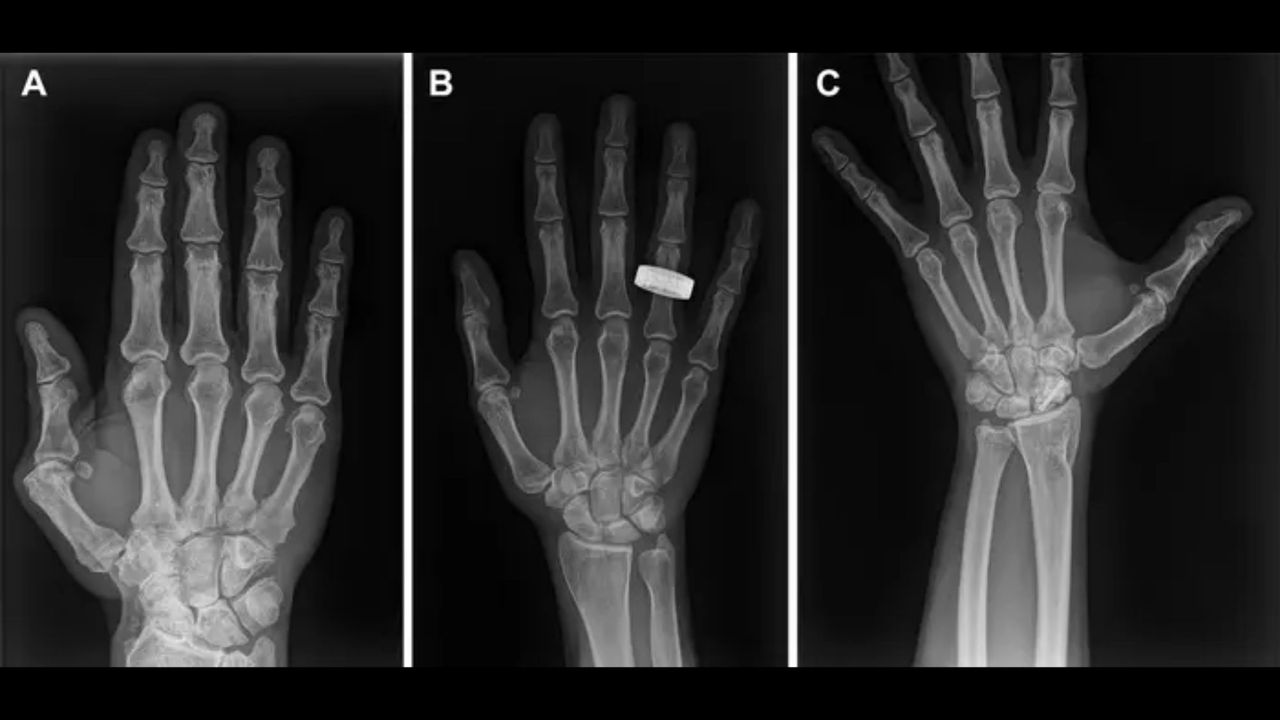
Astronauts aboard the International Space Station have successfully operated a portable X-ray device in orbit, marking the first time this diagnostic tool has functioned in space. The achievement opens new possibilities for medical diagnosis and equipment assessment during long-duration missions, particularly as humans prepare for lunar travel.
The portable X-ray system can detect broken bones, torn spacesuits, and damaged satellites while astronauts remain in orbit. This capability addresses a critical gap in space medicine. Currently, crews lack reliable diagnostic imaging tools for injuries that occur far from Earth. A fracture or internal injury detected only through symptoms becomes a serious threat when the nearest hospital lies 250 miles below.
Researchers conducted the experiment on the ISS to test whether microgravity affects X-ray image quality and equipment performance. Early results indicate the device produces clear, usable diagnostic images despite the weightless environment. This removes a major barrier to deploying X-ray technology on future missions to the moon or Mars.
The system's versatility extends beyond human health. Astronauts can use it to inspect structural damage to the station itself or to satellites requiring repair. This diagnostic capability becomes especially valuable during extended missions where resupply missions arrive infrequently.
The portable X-ray represents incremental but essential progress in space medicine infrastructure. As NASA and international partners plan longer lunar missions and eventual Mars expeditions, crews will need diagnostic tools that function beyond Earth's protective environment. Medical evacuations from the moon take days or weeks. Treating patients on site requires accurate imaging.
The device's compact design and power efficiency make it practical for spacecraft with limited resources. Engineers designed it to operate reliably in microgravity and withstand the radiation exposure inherent to space travel.
Researchers acknowledge limitations. The portable system cannot replace comprehensive hospital imaging suites for complex diagnoses. Its role focuses on identifying acute injuries and ruling out serious conditions that would require immediate