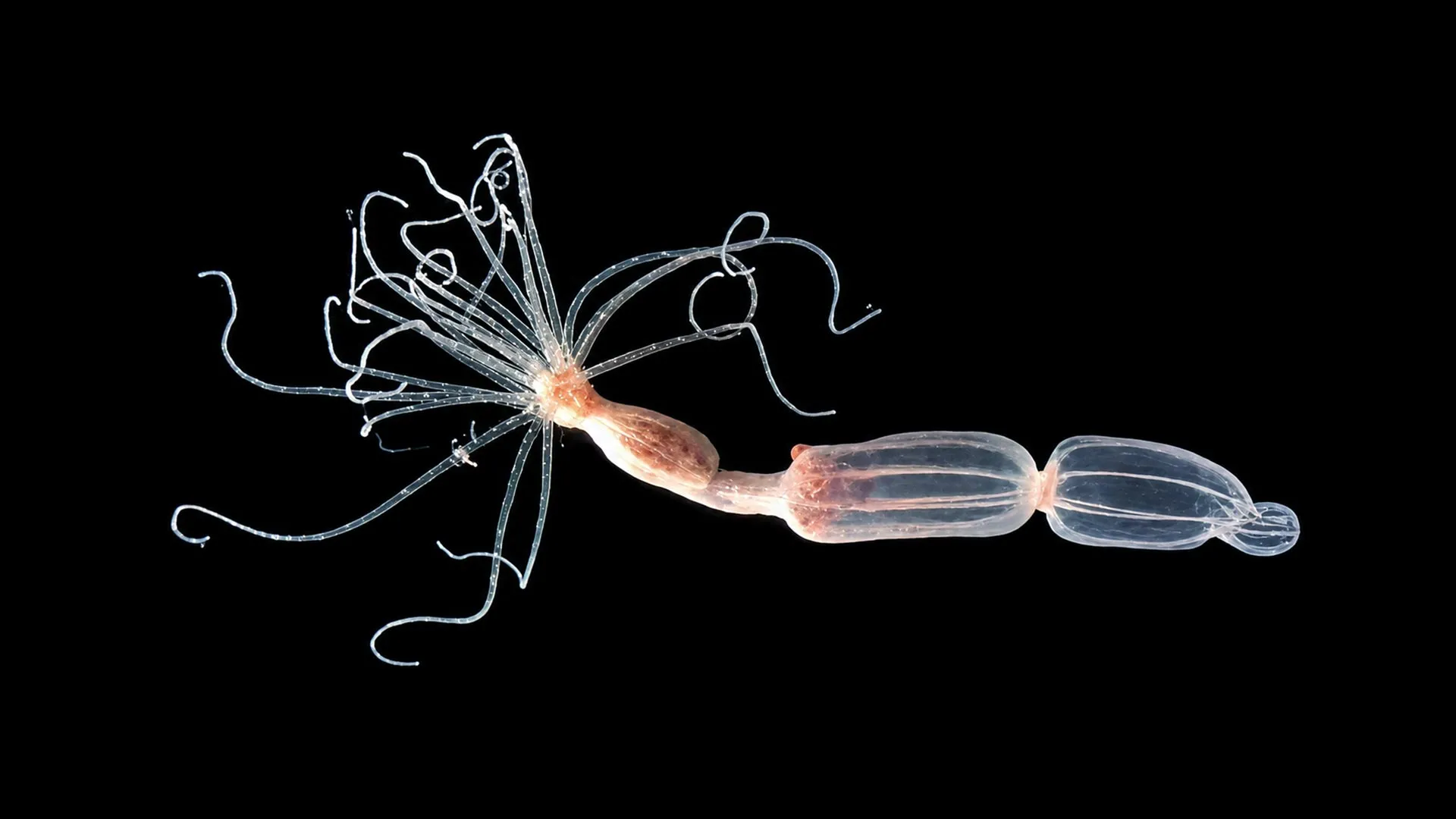
Researchers studying sea anemones have identified a fundamentally different antiviral defense mechanism than the one found in humans and other mammals, reshaping understanding of how animal immunity evolved across species.
The discovery emerges from work examining how these simple organisms combat viral infections. Rather than relying on the adaptive immune response that characterizes vertebrates—where the body learns to recognize and remember specific pathogens—sea anemones employ an alternative strategy. The exact mechanism remains under investigation, but the findings indicate that nature developed multiple independent solutions to the viral threat problem over evolutionary time.
This finding directly challenges the prevailing assumption that animal antiviral defenses followed a linear evolutionary path, with more complex systems building on simpler foundations. Instead, the research suggests that distantly related organisms independently evolved sophisticated viral-fighting strategies tailored to their own biology.
Sea anemones belong to the cnidarian group, organisms far removed from mammals on the evolutionary tree. Their simpler body structure and smaller immune repertoire make them ideal subjects for identifying ancient defense mechanisms that may predate the development of adaptive immunity in vertebrates. By comparing their antiviral toolkit with human mechanisms, scientists gain insight into which defenses represent universal strategies versus innovations specific to particular lineages.
The implications extend beyond basic biology. Understanding diverse antiviral approaches could inform development of new therapeutic strategies for combating human viral infections, particularly against pathogens that evade conventional immune responses. If evolution produced multiple effective antiviral systems, researchers might identify and harness these alternative mechanisms for medical applications.
The work underscores how studying organisms across the tree of life reveals nature's experimental approach to solving biological challenges. Rather than settling on one optimal solution, evolution repeatedly invents new answers to persistent problems, each adapted to particular environmental pressures and organismal constraints. These discoveries in sea anemones serve as reminders that some of biology's most useful insights come from investigating life's greatest