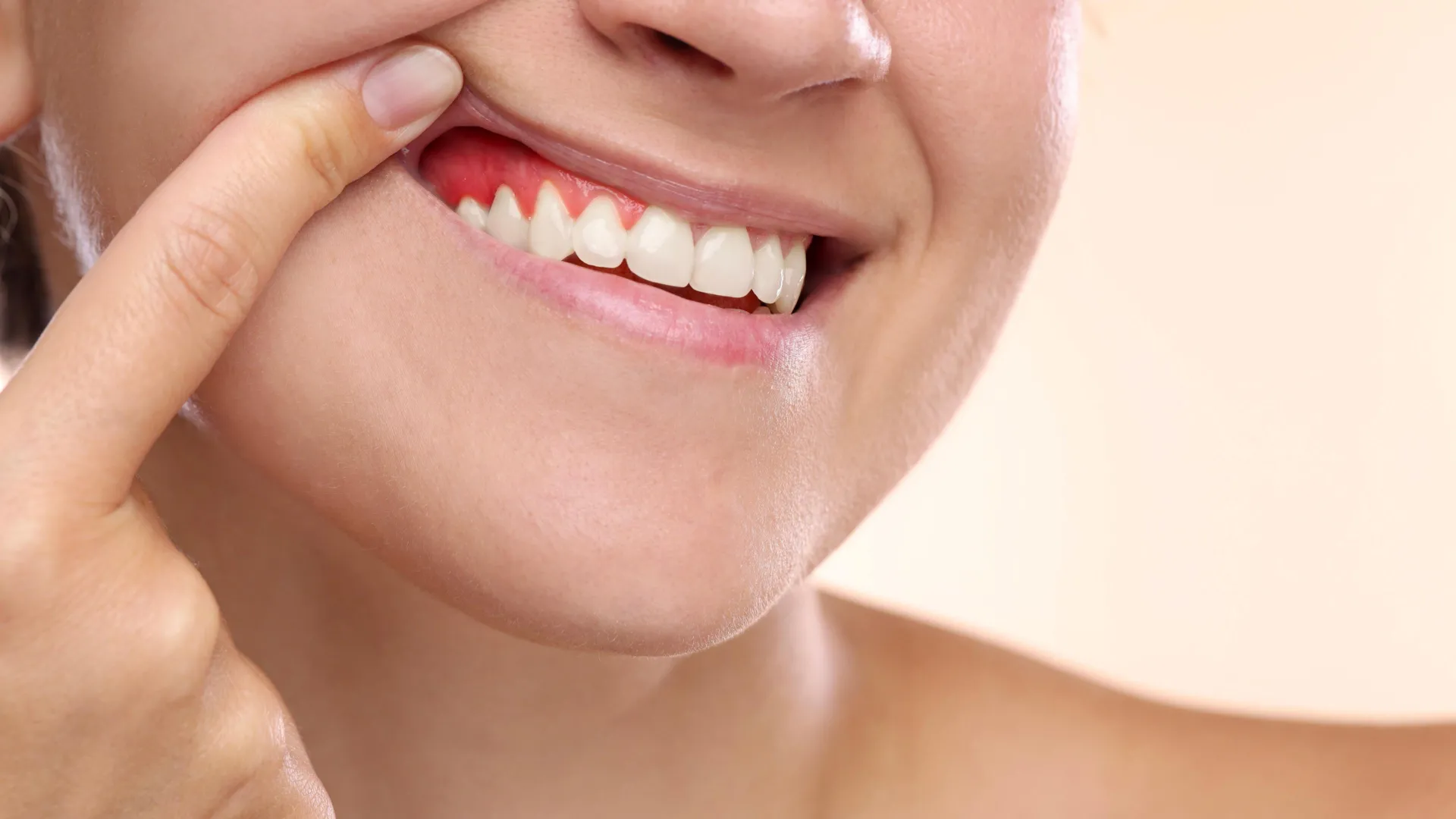
Researchers have developed a novel biomaterial combining jackfruit latex, pomegranate peel extract, and simvastatin that shows promise in reversing damage from severe gum disease. Early laboratory and animal studies indicate the compound simultaneously fights bacterial infection, reduces inflammation, and stimulates regeneration of bone and tissue surrounding teeth.
Gum disease affects millions globally and can lead to tooth loss when left untreated. Current therapies primarily manage infection and inflammation but fail to restore the supporting structures that disease destroys. The new biomaterial addresses this gap by delivering three therapeutic agents in a single application.
Jackfruit latex provides structural support and antimicrobial properties. Pomegranate peel, rich in polyphenols, contributes anti-inflammatory and antioxidant effects. Simvastatin, a cholesterol-lowering drug, has shown unexpected bone-regenerative properties in previous research. Combining these components creates a biomaterial that researchers positioned directly at disease sites during treatment.
In preclinical testing, the material effectively eliminated pathogens responsible for gum disease while reducing inflammatory markers. More notably, it stimulated new bone formation and tissue growth in treated areas, suggesting potential to reverse irreversible damage typically considered permanent once lost.
The research represents an early proof-of-concept. Scientists must conduct human clinical trials to confirm safety and efficacy in actual patients. Questions remain about optimal dosing, duration of treatment, and long-term outcomes. Manufacturing scalability and cost-effectiveness for widespread clinical use also require investigation.
If successful in human trials, this biomaterial could fundamentally change periodontal treatment. Rather than managing disease progression, dentists might someday offer regenerative therapy that restores lost tissue and bone. This would shift gum disease from a condition of permanent loss to one potentially reversible with proper intervention.
The work exemplifies how natural compounds combined with established