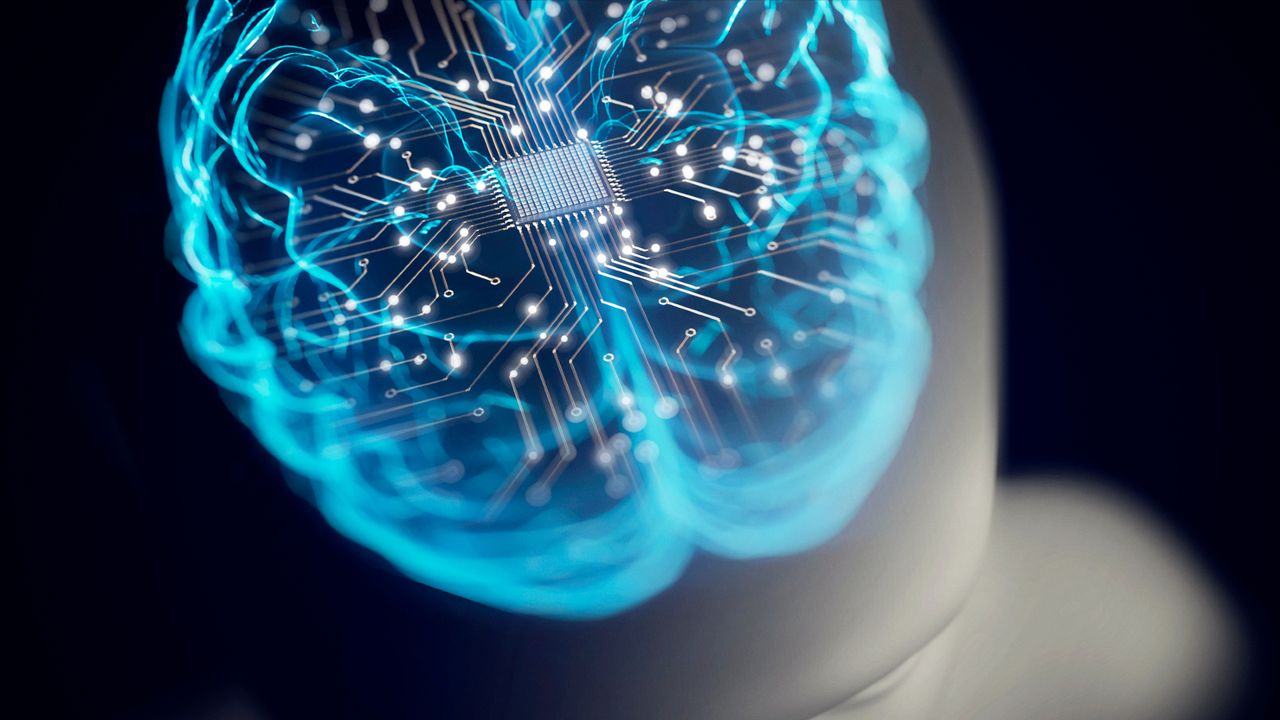
A startup is building data centers powered by lab-grown human neurons instead of traditional silicon chips. The company tests whether living brain cells can process information more efficiently than conventional computing hardware.
Human neurons consume far less energy than current processors while performing complex calculations. A single neuron uses roughly one-millionth the power of a transistor. This efficiency gap matters for data centers, which account for roughly 1-2% of global electricity consumption.
The researchers grow neurons from human cells in laboratory conditions and connect them to electrodes that transmit electrical signals. The neurons learn to solve computational problems through a process similar to how the human brain develops. Early tests show promise, though scaling the technology remains challenging.
Several obstacles remain before this approach becomes practical. Neurons require specific temperatures, nutrient solutions, and maintenance. They also degrade over time, limiting how long a "biological processor" can operate. Traditional computers offer greater reliability and speed for most current applications.
If successful, bio-computing could transform energy-intensive industries like artificial intelligence and cryptocurrency mining. The startup plans to expand experiments over the next two years. Other research groups worldwide pursue similar approaches, treating living cells as an emerging computing platform.