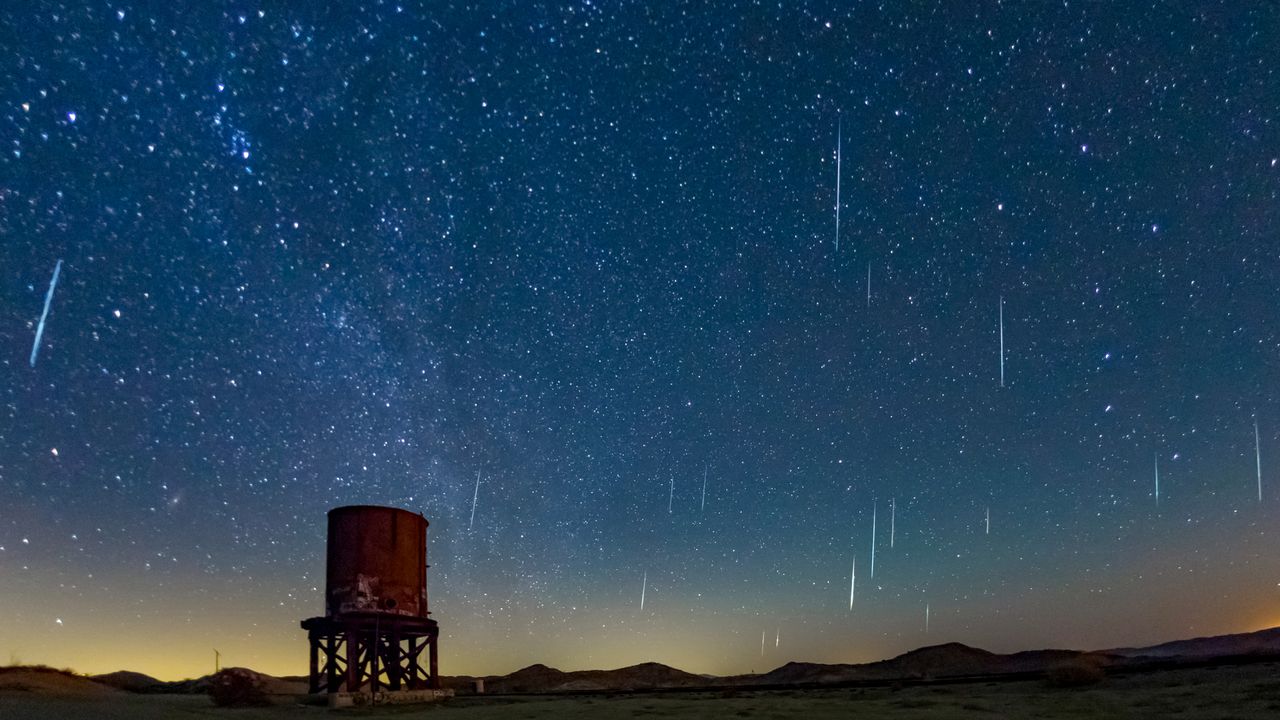
The Eta Aquariids meteor shower reaches peak activity on May 5-6, offering stargazers a chance to witness debris from Halley's Comet streak across the night sky. These meteors travel at exceptionally high speeds, creating the swift, brilliant streaks characteristic of this annual event.
Observers face a challenge this year. A bright moon will illuminate the sky during the peak nights, washing out fainter meteors and reducing the overall visible count. Ideal viewing occurs in the predawn hours in locations far from city lights, where darker skies improve visibility.
The Eta Aquariids originate when Earth passes through the orbital path of Halley's Comet. The comet itself visits our inner solar system every 76 years, last appearing in 1986. Between its visits, the debris trail persists, creating this reliable annual display.
Viewers in the Southern Hemisphere typically see the best shows, though Northern Hemisphere observers can still catch meteors, particularly those in lower latitudes. An observer might spot 10 to 20 meteors per hour under optimal conditions, though moonlight will reduce this number substantially.