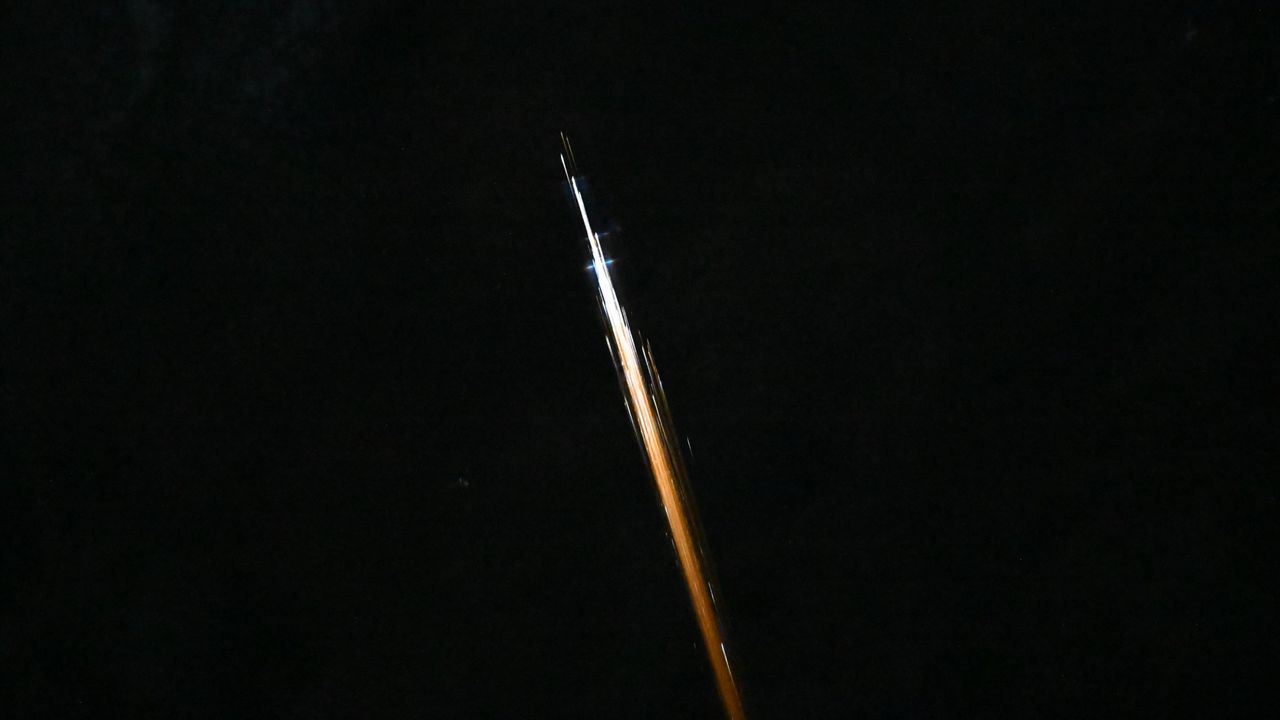
NASA astronaut Chris Williams captured photographs of a brilliant fireball from the International Space Station as it streaked across Earth's atmosphere. The images show the dramatic light display produced when a meteor entered the atmosphere at high speed.
Williams documented the event from his vantage point 250 miles above Earth's surface, where the station orbits every 90 minutes. The photograph reveals the intense brightness generated by friction as the space rock compressed the air in front of it, heating it to thousands of degrees.
Fireballs occur regularly in Earth's atmosphere, but observations from the ISS offer scientists a rare perspective. Astronauts stationed above provide viewing angles impossible from the ground, helping researchers track meteor trajectories and estimate their composition. The ISS passes over different geographic regions constantly, increasing the likelihood of capturing these events.
Williams shared the images publicly, demonstrating how the space station serves dual purposes. Beyond conducting experiments and maintaining orbital infrastructure, it functions as an observation platform for atmospheric phenomena. His photos contribute to citizen science efforts and public engagement with space research.
These observations help scientists refine models of meteor impacts and atmospheric chemistry. Future missions will build on this data as more astronauts document these natural light shows from orbit.