# The Eta Aquarid Meteor Shower Peaks Next Week
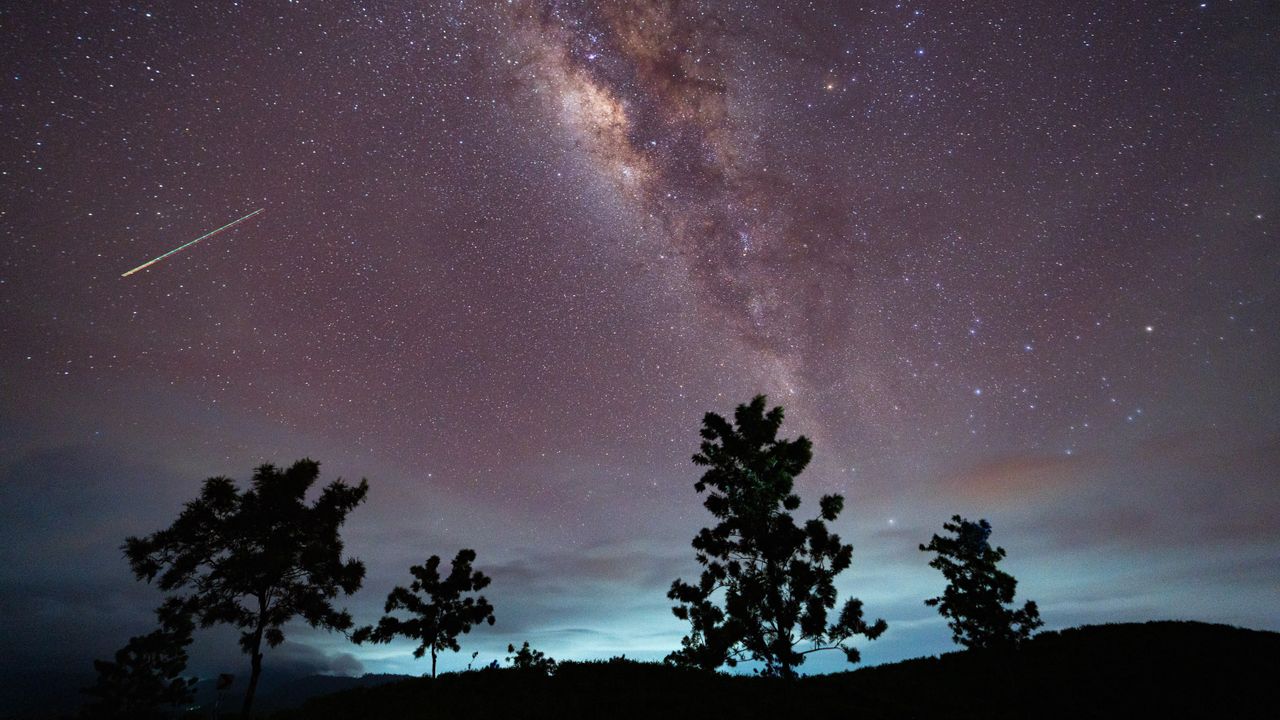
The Eta Aquarid meteor shower reaches its peak next week, offering stargazers a chance to observe shooting stars and occasional fireballs. The display occurs when Earth passes through debris left behind by Halley's Comet as it orbits the sun.
Observers can expect the best viewing when the constellation Aquarius sits high above the horizon. This timing varies by location and time of night. The shower typically produces 10 to 20 meteors per hour at peak activity, though viewers in the Southern Hemisphere generally see brighter and more frequent meteors than those in northern regions.
For optimal viewing, observers should find dark skies away from city lights. Eyes need 20 to 30 minutes to adjust to darkness. No special equipment is required. Simply face the direction where Aquarius rises and watch the sky.
The Eta Aquarids recur annually as Earth crosses this same orbital path. Unlike some meteor showers, this one favors early morning observation, typically between midnight and dawn. Clear skies and minimal moon interference will enhance visibility during the peak nights.