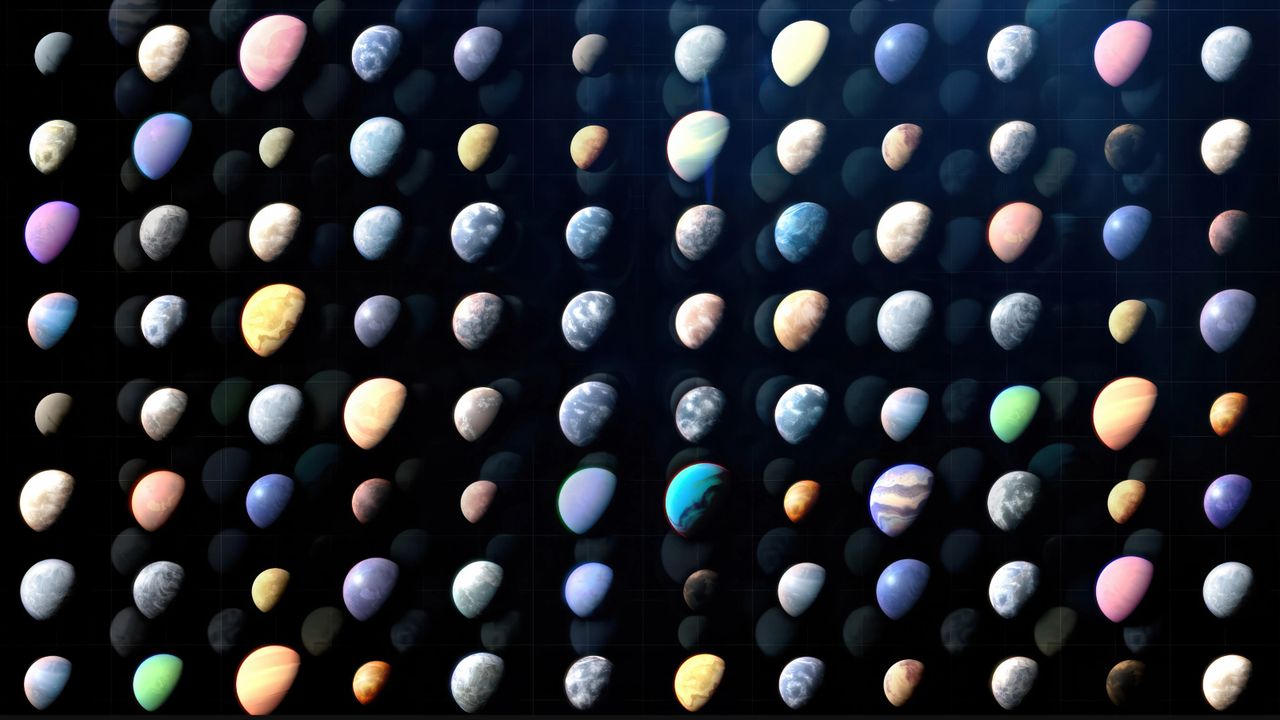
Researchers used machine learning to scan light data from over 80 million stars and discovered approximately 10,000 new exoplanet candidates. The algorithm detected subtle brightness dips that indicate planets passing in front of their host stars. This discovery potentially triples the number of known exoplanets beyond our solar system.
The team analyzed previously overlooked stellar observations, finding patterns human researchers had missed in traditional searches. These "impossible" planets, classified as such because they seemed unlikely under conventional detection methods, represent worlds orbiting distant stars across our galaxy.
The work matters because exoplanet catalogs drive our understanding of planetary formation, habitability, and the prevalence of worlds beyond Earth. More candidates enable astronomers to identify potentially habitable planets and study planet demographics across different stellar types and ages.
Next steps involve confirming these candidates through follow-up observations and spectroscopic analysis to verify they are genuine planets rather than false signals. Researchers will prioritize candidates orbiting nearby stars or showing characteristics that suggest potential habitability. The machine learning approach also establishes a scalable method for processing future astronomical datasets, particularly from upcoming space telescopes designed to observe billions of stars.