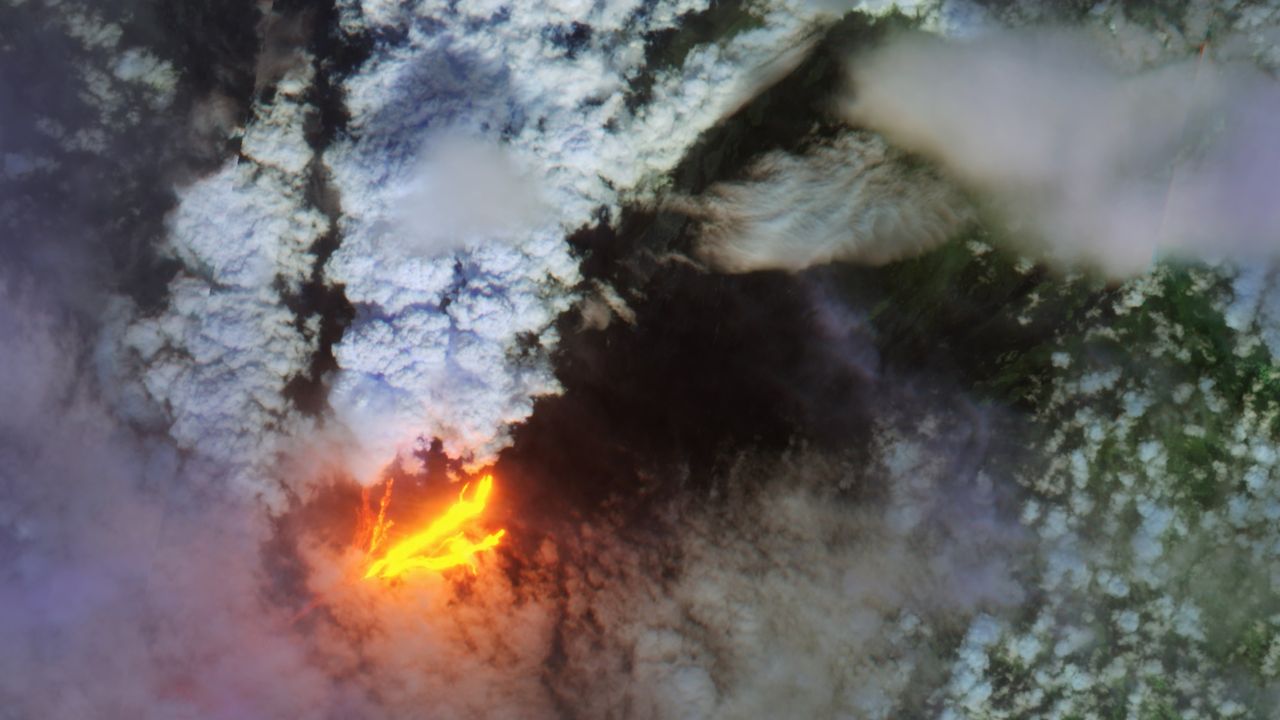
Scientists now have a new tool to determine whether Venus remains volcanically active. A major eruption in Hawaii in 2022 produced data that researchers plan to use as a comparison point for detecting volcanic activity on Venus.
Venus displays signs of ongoing volcanism, but confirming recent eruptions has proven difficult. The planet's thick, toxic atmosphere obscures the surface, making direct observation nearly impossible. Scientists rely on remote sensing instruments aboard orbiting spacecraft to search for thermal signatures and chemical markers associated with lava flows.
The 2022 Hawaiian eruption offers a detailed terrestrial reference. Researchers collected extensive measurements of the eruption's heat output, gas emissions, and surface changes. They now plan to use these Hawaiian data as a baseline model. By comparing what Hawaiian instruments detected during an active eruption to Venus observations, scientists can better calibrate their detection methods.
If Venus indeed has recent volcanic activity, it would reshape our understanding of the planet. Active volcanism would mean Venus possesses internal heat that drives geological processes, similar to Earth. This knowledge affects theories about planetary evolution and habitability.
The next phase involves applying Hawaiian eruption data to archival Venus observations from spacecraft like Akatsuki and Venus Express. Researchers hope refined analysis will reveal definitive evidence of volcanic eruptions on our neighboring planet within the coming years.