# Eta Aquarid Meteor Shower Peaks Next Week
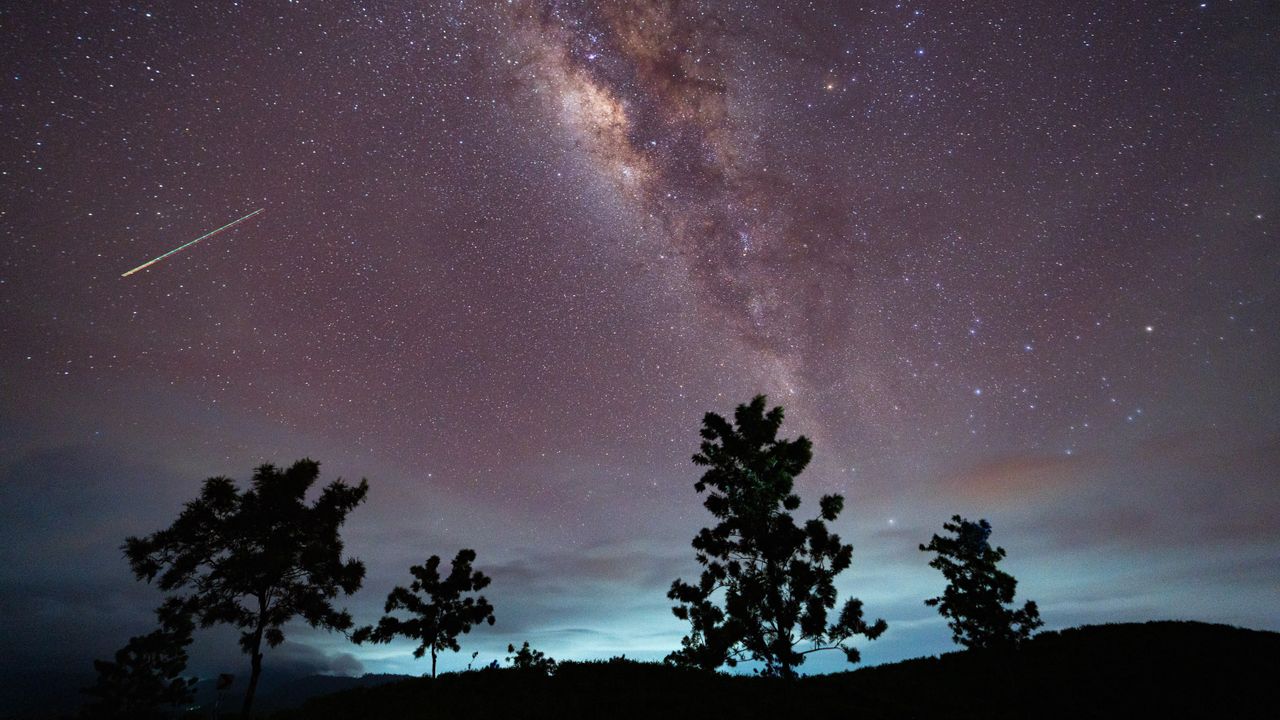
Earth passes through debris left by Halley's Comet next week, creating the Eta Aquarid meteor shower. Observers will see shooting stars and occasional fireballs whenever the constellation Aquarius rises above the horizon.
The best viewing occurs during predawn hours when Aquarius reaches its highest point in the sky. Away from city lights, watchers can spot dozens of meteors per hour during peak activity. No special equipment is needed. Your eyes adjust to darkness within 20-30 minutes.
The Eta Aquarids occur twice yearly as Earth crosses Halley's orbital path. This spring shower ranks among the most active annual events, though the autumn Orionids display typically appears brighter. Dust particles from the famous comet, which returns every 75 years, burn up in our atmosphere at speeds exceeding 66 kilometers per second.
Clear skies and moonless nights offer ideal conditions. Viewers should lie flat on their backs and allow their pupils to dilate completely. Avoid looking directly at the moon or using telescopes; the naked eye captures more meteors across a wider field of view.