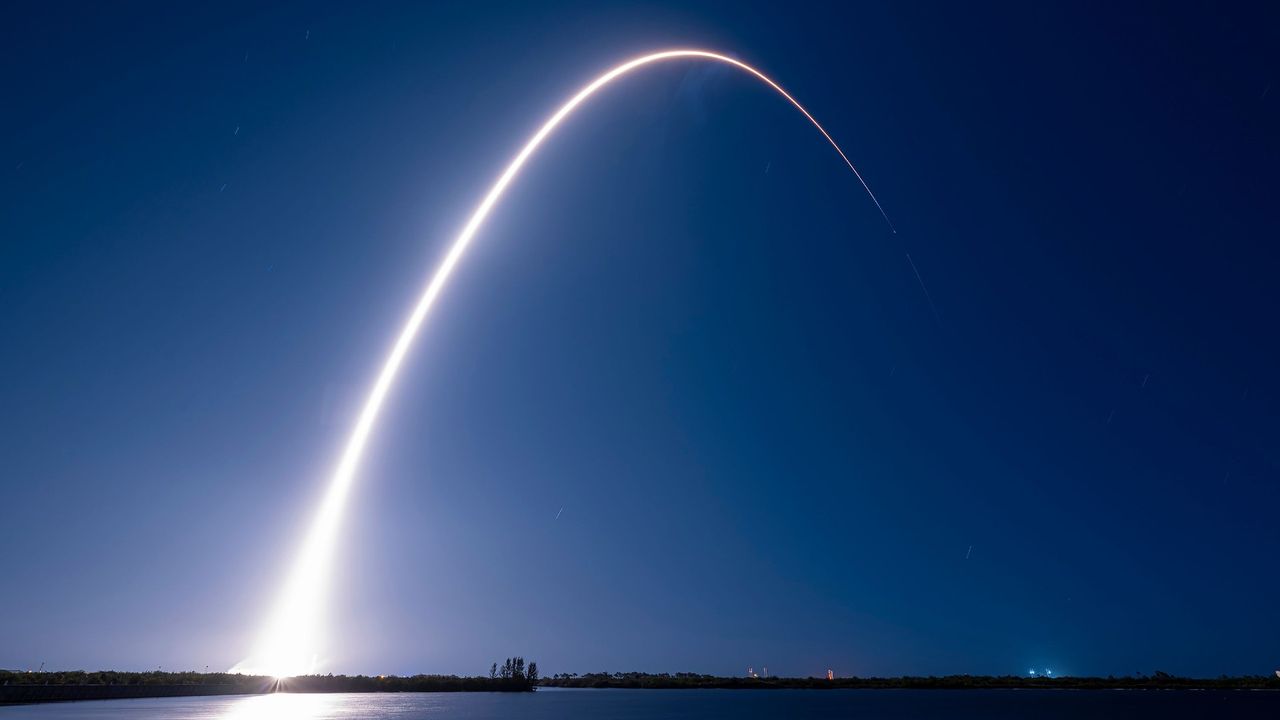
A spent Falcon 9 rocket stage from SpaceX will collide with the moon in early August. The debris comes from a launch conducted last year and has been traveling through space ever since.
The impact will strike the lunar surface with enough force to create a crater. Scientists have been tracking the rocket's trajectory for months, confirming the collision course with high confidence.
This event marks the first known unintentional impact of space debris on the moon. Previous lunar crashes involved spacecraft deliberately sent to study the surface or test impact dynamics. The Falcon 9 stage, by contrast, simply ran out of fuel and drifted toward the moon under gravitational influence.
The collision raises questions about orbital debris management. As space agencies and private companies launch more rockets, spent stages accumulate in Earth orbit and beyond. Without active removal systems, these objects pose risks to functioning satellites and future lunar missions.
The impact itself poses no danger to Earth or existing lunar operations. The moon has no atmosphere to burn up incoming debris, and its surface already bears billions of impact craters. However, the incident underscores growing concerns about space sustainability. Researchers and policymakers now emphasize the need for better tracking systems and disposal protocols to prevent future uncontrolled collisions.