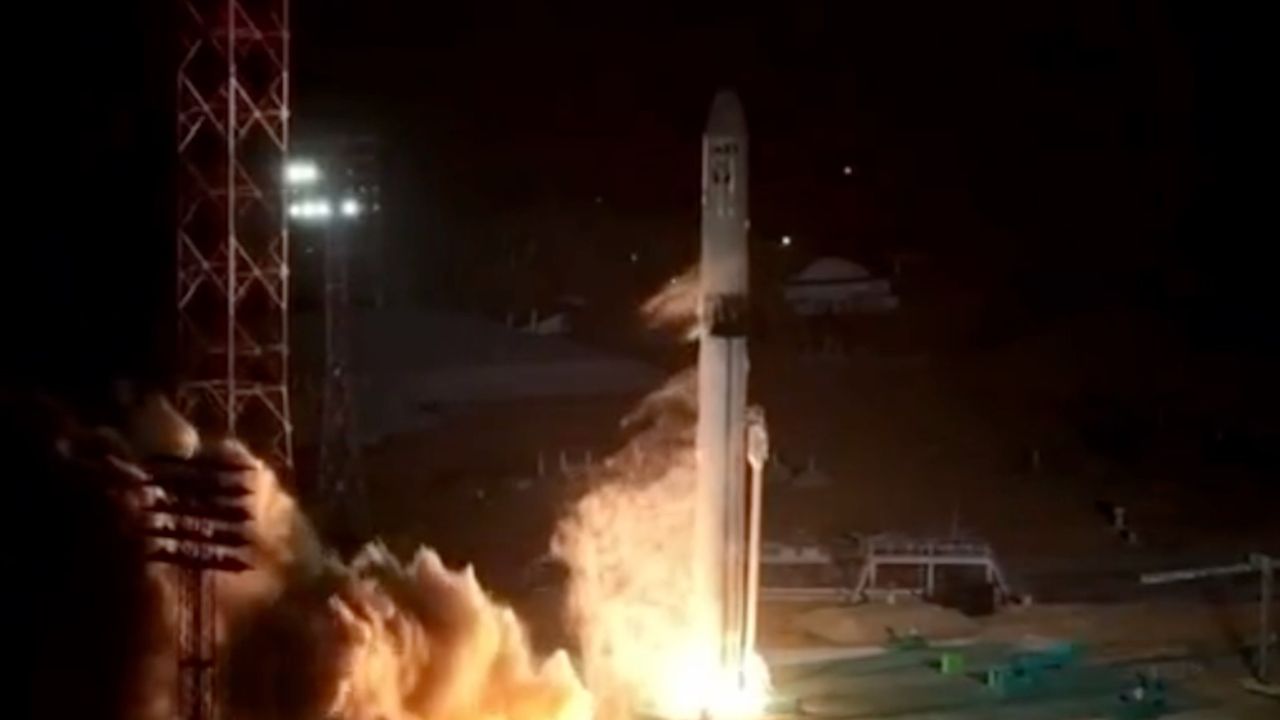
Russia successfully launched its Soyuz 5 rocket on Thursday, April 30, marking the medium-lift vehicle's first flight. The launch proceeded without reported problems, according to initial reports from Space.com.
The Soyuz 5 represents Russia's effort to develop a new generation of launch vehicles independent of legacy Soviet-era designs. Russia designed the rocket to carry payloads to low Earth orbit and serve as a foundation for future heavy-lift capabilities.
This debut flight follows years of development and testing. The successful inaugural launch demonstrates that Russia's engineering teams have cleared a major technical hurdle. The vehicle performed as expected during its ascent and payload deployment.
The mission holds implications for Russia's space program independence, particularly given international tensions and economic sanctions that have complicated access to Western technology and components. A functioning domestic launch system reduces reliance on foreign partnerships.
Future Soyuz 5 launches will carry satellites and potentially contribute to commercial space ventures. Russia plans to use this platform as a building block for even larger rockets capable of supporting deeper space exploration and orbital construction projects.
The successful debut establishes the Soyuz 5 as an operational asset in Russia's spaceflight arsenal and validates the design approach engineers selected for the program.