# May's Flower Moon Appears Tonight as a Micromoon
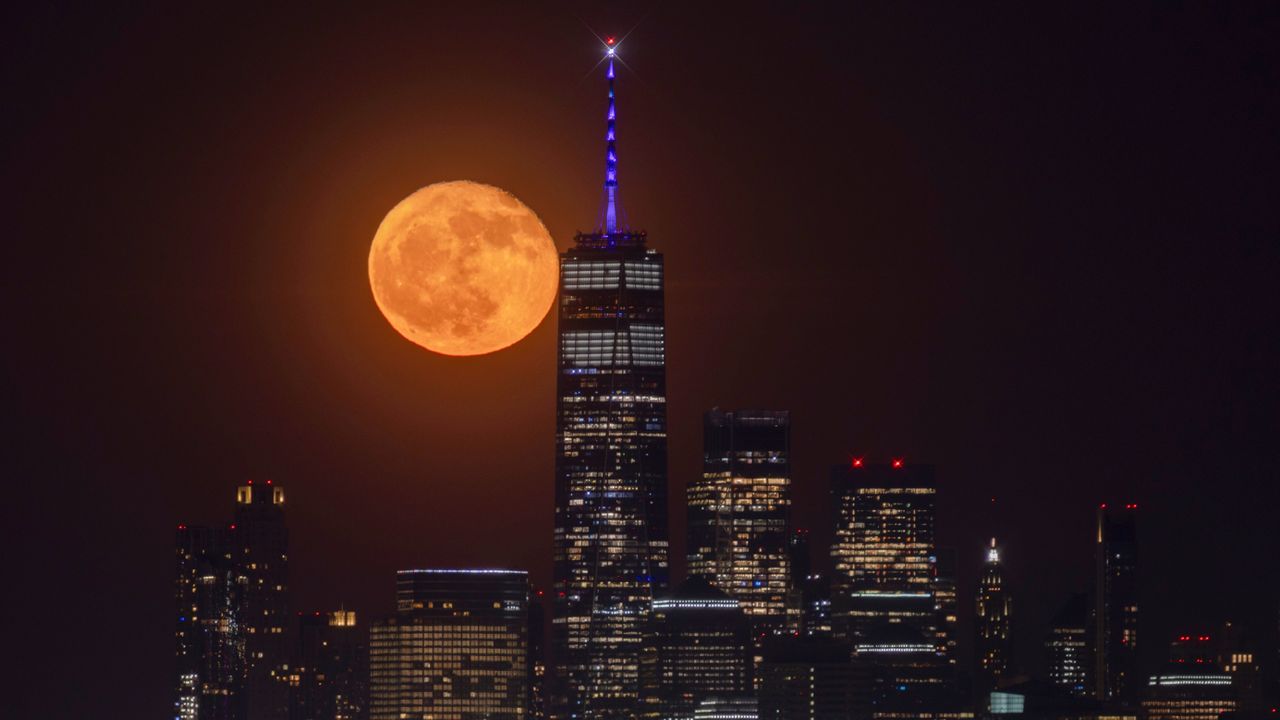
Tonight's full moon, called the Flower Moon, rises as spring blooms peak across the northern hemisphere. The name reflects traditional calendars that tied lunar phases to seasonal plant growth.
This month's full moon presents an unusual phenomenon: it appears smaller than average. The moon orbits Earth in an ellipse, not a circle. When a full moon occurs near apogee, the point farthest from Earth, it becomes what astronomers call a micromoon. Tonight qualifies as one.
The distance difference matters for observers. A micromoon appears roughly 14 percent smaller and 30 percent dimmer than a supermoon, which occurs when the full moon coincides with perigee, the closest approach. Despite the reduced brightness, the Flower Moon remains visible to the naked eye and worth viewing.
Skywatchers can observe the full moon from sunset onward. The best viewing typically occurs when the moon rises above the horizon, though this timing varies by location. Clear skies improve visibility.
Micromoons receive less public attention than supermoons, but they follow the same predictable orbital mechanics. Understanding these lunar cycles helps astronomers track Earth's satellite and plan future space missions.