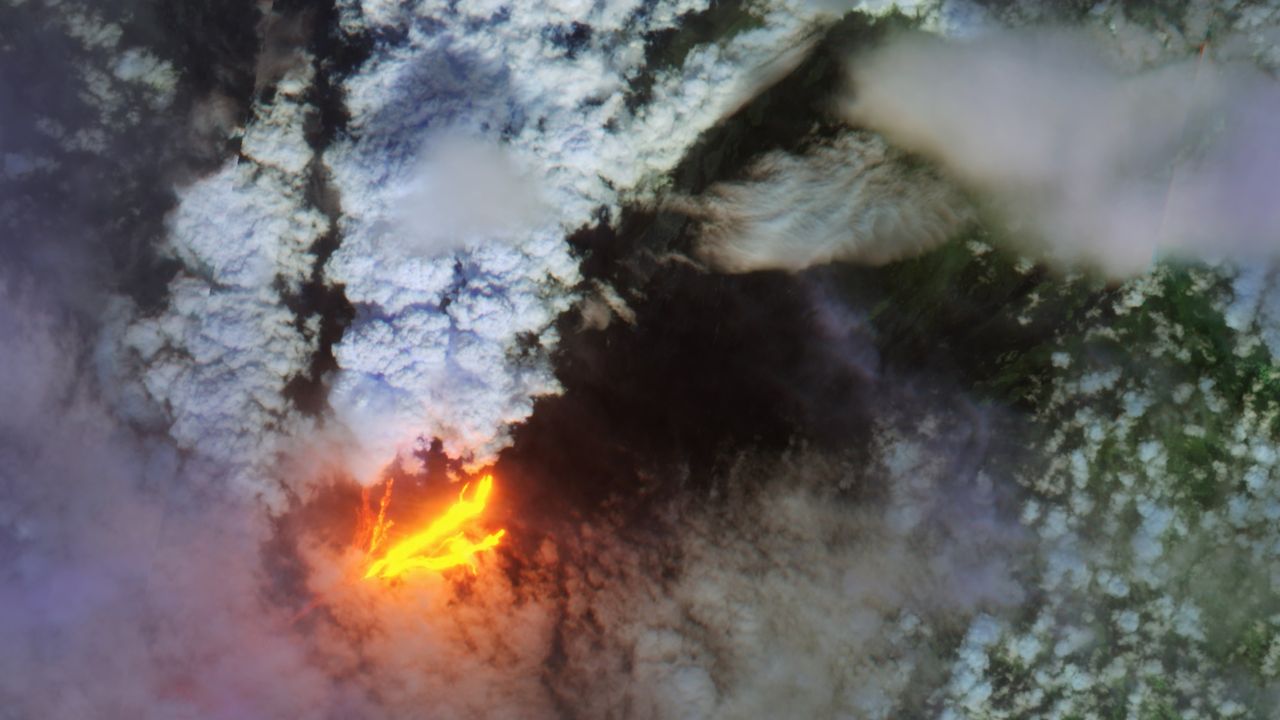
Scientists suspect Venus harbors active volcanoes, and they now have a new tool to confirm it. The 2022 eruption of Mauna Loa in Hawaii provides crucial reference data for detecting volcanic activity on Earth's neighboring planet.
Researchers plan to compare infrared signatures from the Hawaiian eruption with satellite observations of Venus. This approach lets them identify similar thermal patterns that would reveal ongoing volcanic processes on Venus's surface. The comparison works because both eruptions produce distinctive heat signatures that instruments can detect from space.
Venus remains shrouded in thick clouds that block visible light, making direct observation impossible. Infrared detection bypasses this obstacle entirely. Scientists have long suspected Venus retains volcanic activity based on surface features and atmospheric composition, but definitive proof remains elusive.
The stakes are substantial. Understanding Venus's internal heat and geological activity reshapes how scientists model planetary evolution and habitability. It also reveals whether Venus once resembled Earth before becoming a hellish greenhouse world with surface temperatures exceeding 900 degrees Fahrenheit.
Researchers will use data from multiple space missions to conduct this analysis. The findings could fundamentally alter our understanding of Venus and inform the search for habitable exoplanets elsewhere.