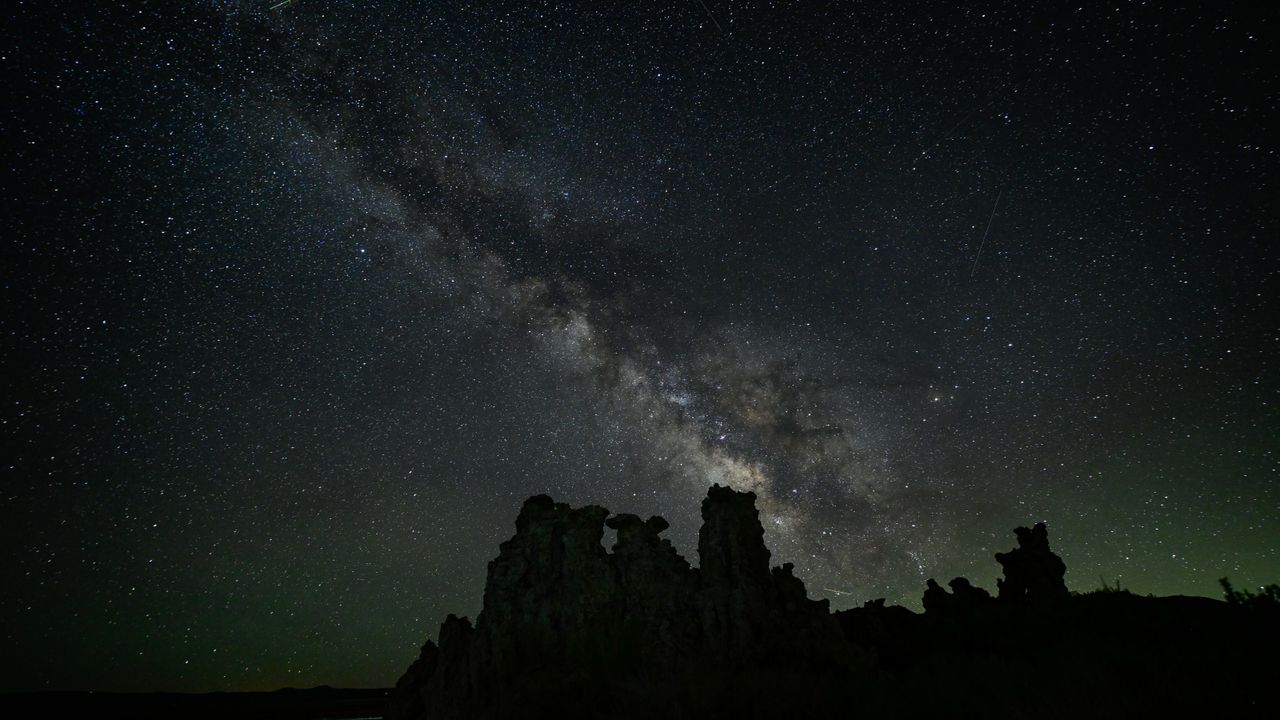
Astronomers have completed the first full map of the Vela Supercluster, confirming it ranks among the universe's largest structures. The supercluster remained invisible to telescopes for decades because the Milky Way's dust and gas blocked the view, a region astronomers call the "Zone of Avoidance."
The research team used infrared observations to penetrate the galactic dust and measure the supercluster's true extent. Superclusters are enormous gravitationally bound collections of galaxy clusters, containing billions of galaxies across millions of light-years.
The Vela Supercluster rivals other known giants like the Shapley Supercluster, reshaping our understanding of large-scale cosmic structure. This discovery matters because superclusters form the cosmic web's backbone, influencing how galaxies distribute and evolve across billions of years.
The team plans to map other hidden superclusters obscured by the Milky Way's dust. These surveys will fill critical gaps in the cosmic structure map and help astronomers understand how matter organizes at the universe's largest scales.