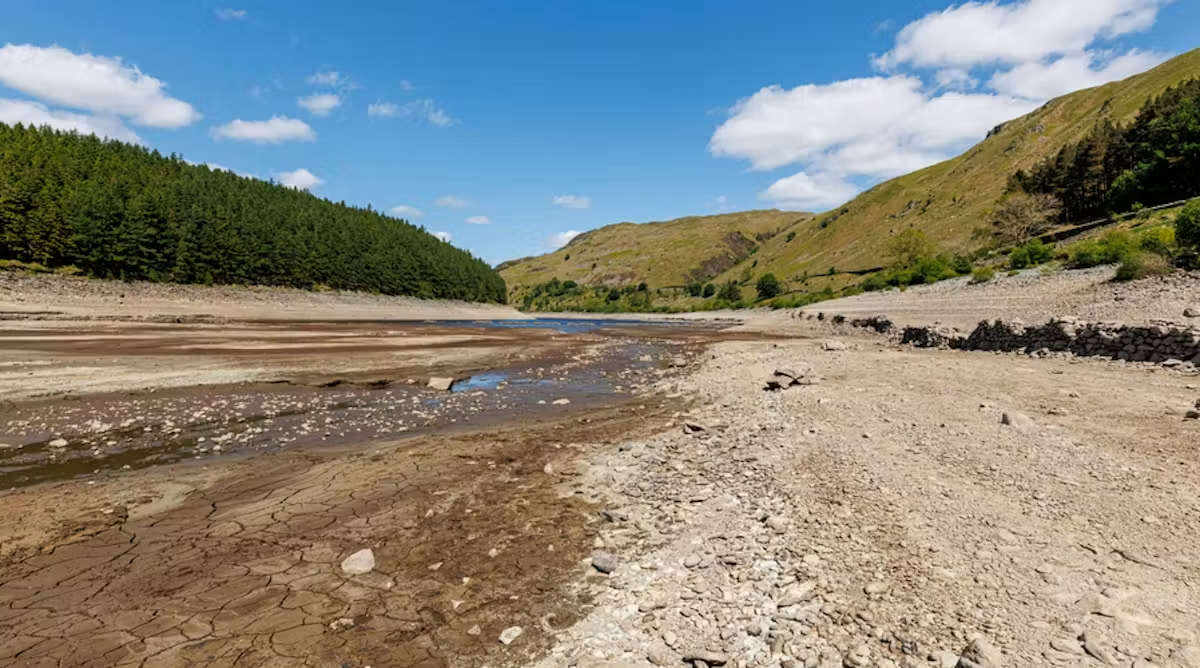
England and Wales are experiencing a winter drought that could worsen water shortages next summer, according to analysis by Justin Sheffield, professor of hydrology and remote sensing at the University of Southampton.
Historical patterns show that dry winters precede severe summer droughts. The summer drought of 1976 followed an exceptionally dry winter. The dry winter of 2021/22 set the stage for the severe summer drought of 2022, particularly in chalk aquifers of England. Early 2023 brought the driest February in 30 years across England, which prevented south-west England reservoirs from refilling and extended hosepipe bans for an entire year.
The current drought, evolving through 2026, saw very dry summer conditions from June to August continue into early October, with below-average rainfall and lingering low river and groundwater levels. Rainfall in November has begun to return to normal levels.
Winter is the critical season for water replenishment. Low evaporation and dormant vegetation allow rain to infiltrate soil and refill aquifers and reservoirs. When winter rainfall drops below normal, the deficit moves slowly through the hydrological system, emerging months later as reduced spring and summer water supplies. This delay is especially pronounced in regions reliant on groundwater, such as chalk catchments in east and south-east England and sandstones in the Midlands, where water takes months or years to percolate through soil and rock.
Seasonal rainfall forecasts indicate recovery for much of England and Wales this winter, but a heightened chance for drought to persist in the south, east, and northeast means some areas could already accumulate a water deficit for next summer.
Climate projections suggest a critical shift. By 2070, UK winters are projected to become up to 20 percent wetter, and summers significantly drier. However, wetter winters will not eliminate winter droughts. Year-to-year atmospheric variability means dry winters will still occur, and hotter, drier summers will leave soils much drier by autumn, shortening the window to replenish groundwater.
Summer droughts already hamper river navigation, damage freshwater ecosystems, and curtail electricity generation from power stations reliant on river cooling water, which can drive up energy prices. Water planners need to track how winter rains replenish the water system alongside summer demand. Society must shift from responding to summer water shortages to enhancing year-round water storage through more farm reservoirs, pumping excess winter floodwater into underground aquifers, and restoring wetlands to slow runoff.