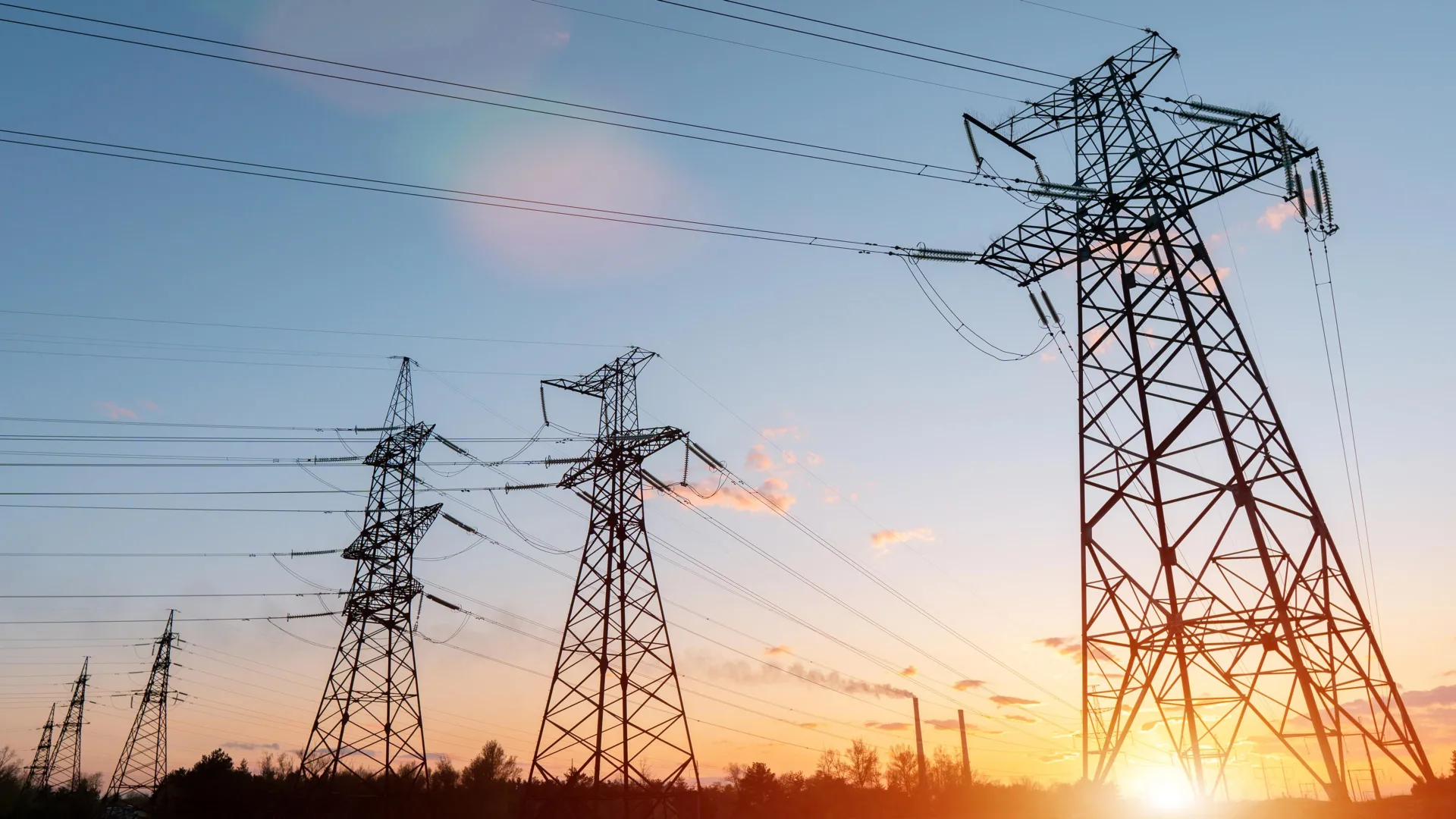
Researchers from Carnegie Mellon University and the University of California San Diego published a Policy Forum paper in Science warning that the United States builds high-voltage transmission lines at only one-tenth the pace needed to meet future electricity demand.
Over the past five years, the continental U.S. added an average of about 500 miles of high-voltage transmission lines annually. The country needs approximately 5,000 miles each year to triple the size of its interregional transmission network by 2050, according to research cited in the paper.
The authors, Madeline Yozwiak, David G. Victor, and M. Granger Morgan, identified political and regulatory barriers as the primary obstacles, not technological ones. Responsibility for approving transmission projects is divided among federal agencies, state governments, local authorities, and private companies. Existing electric utilities can also resist stronger regional connections because greater competition could reduce their local market influence.
The researchers propose three solutions. First, federal agencies like the Federal Energy Regulatory Commission and Department of Energy should use existing legal authorities more effectively. Advanced technologies such as reconductoring and High-Voltage Direct Current systems could double or triple grid capacity. Underground HVDC cables could be installed along existing highways and railroad corridors to avoid land-use disputes.
Second, the U.S. should study international approaches. Other countries have successfully built long-distance HVDC infrastructure and coordinated transmission across regional boundaries. The researchers suggest establishing an international forum through the National Association of Regulatory Utility Commissioners to identify effective practices.
Third, they recommend creating a Presidential-Congressional Transmission Commission to break political deadlock. Modeled on previous bipartisan commissions, it would negotiate reform recommendations and develop financial incentives for construction.
The authors warn that without meaningful changes to how transmission projects are planned and approved, "the United States risks a prolonged infrastructure shortfall" that could weaken electricity reliability and damage the national economy.