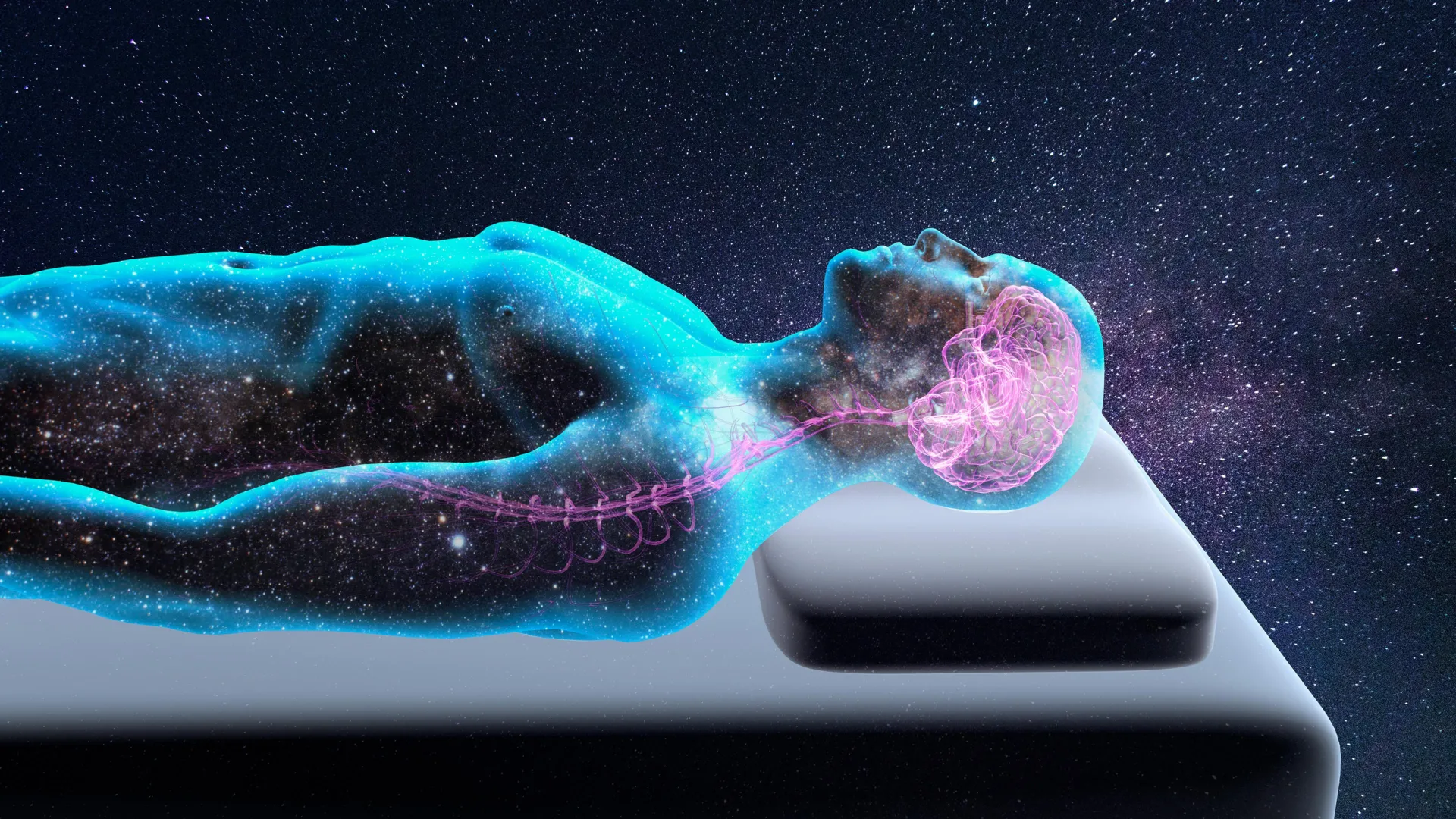
Scientists at the University of Basel identified two groups of brain cells in mice that drive sleep pressure. The neurons, called GABAergic and serotonergic neurons, become progressively more active the longer mice remain awake and decrease activity once animals fall asleep.
Professor Alex Schier led the research at the Biozentrum, University of Basel, in collaboration with scientists from Beth Israel Deaconess Medical Center and Auburn University. The team studied brain activity patterns in mice under normal sleep-wake cycles, extended sleep deprivation, and recovery sleep to identify regions whose activity changed based on wakefulness duration.
When researchers artificially activated both neuron groups, mice slept longer and more deeply, showing recovery sleep similar to that after natural extended wakefulness. When the neurons were inhibited, animals slept substantially less and remained awake and alert.
Mice slept approximately 70% less than normal when both neuron groups were suppressed for an extended period. Surprisingly, most animals avoided serious behavioral problems typically associated with prolonged sleep deprivation despite getting dramatically less sleep.
"These neurons do not simply signal that an animal has been awake," Schier stated. "Our experiments show that they are crucial to promote sleep, and that they may be key components of the neural circuitry that generates sleep drive."
Dr. William Joo, first author of the study, noted that future research could reveal how these neurons interact with other brain regions and how sleep drive is generated at the molecular level. He added that the ability to transform sleep behavior "allows us to explore adaptations to long-term sleep loss - this may eventually reveal ways to confer resilience to sleep deprivation and other physiological challenges."