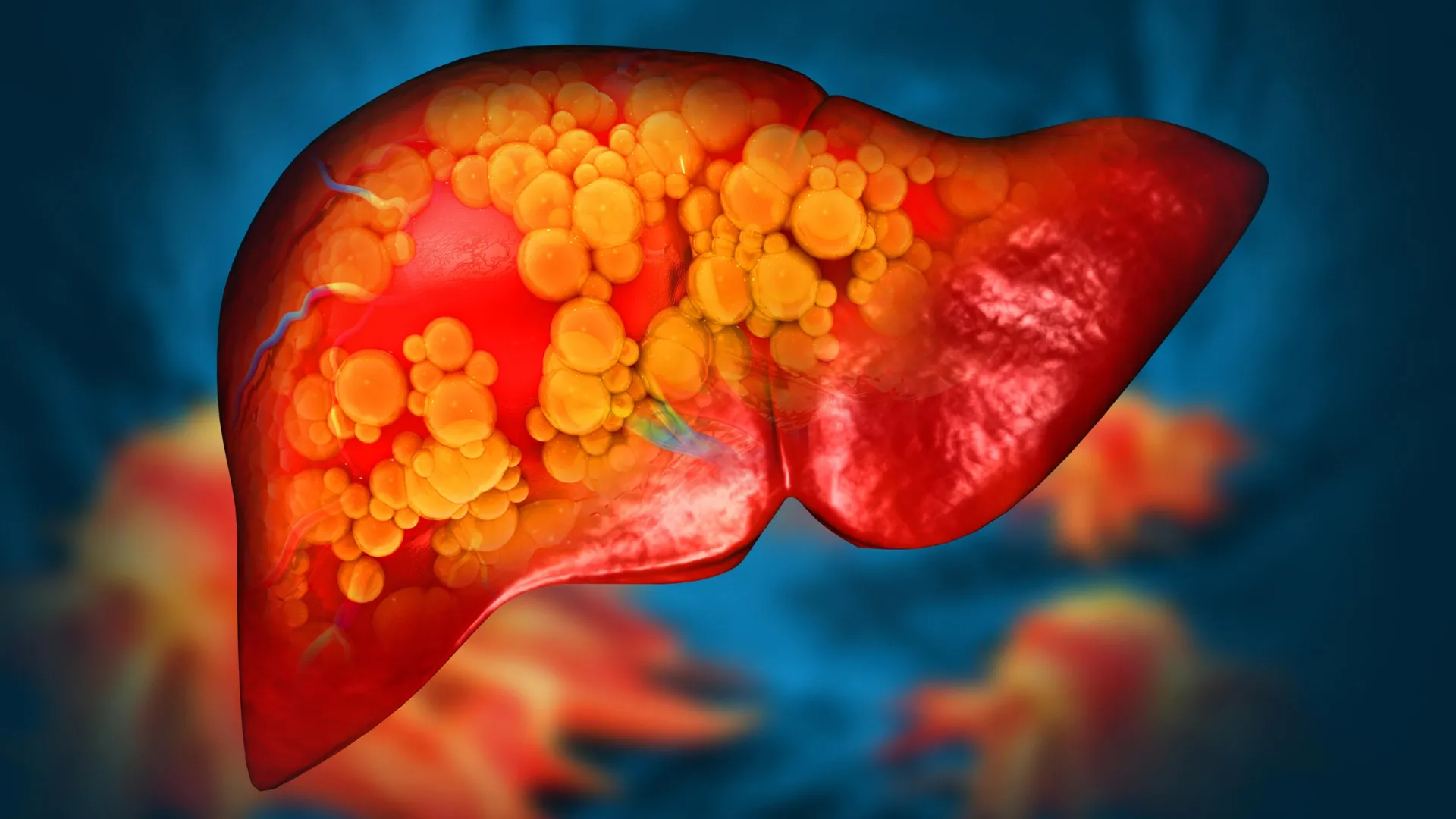
Researchers at Washington University School of Medicine compared three diets in a clinical trial of 42 adults with obesity, prediabetes, and fatty liver disease. Participants were randomly assigned to follow a ketogenic diet, a Mediterranean diet, or a low-fat plant-based diet. All groups received meals supplied by the research team and met weekly with a dietitian.
The diets had sharply different compositions. The ketogenic group consumed 4% of calories from carbohydrates and 73% from fat. The Mediterranean group received 50% from carbohydrates and 35% from fat. The plant-based group consumed 70% from carbohydrates and 15% from fat. Researchers adjusted calorie intake so all groups lost approximately 10% of their starting body weight over four to five months.
All three groups showed improvements in body fat and insulin sensitivity. However, the ketogenic diet produced larger reductions in liver fat. Participants on keto experienced an average 67% reduction in liver fat, compared with 45% reductions in both the Mediterranean and low-fat groups. Ketogenic participants also showed the greatest increase in glucagon, a hormone that promotes fat reduction in the liver, and the largest decrease in insulin levels.
Samuel Klein, the study's corresponding author, stated "if you have high liver fat content and prediabetes, reducing carbohydrate intake can have important therapeutic effects on metabolism beyond just weight loss alone."
After the intervention, approximately 50% of ketogenic participants no longer met criteria for prediabetes, compared with 29% of Mediterranean diet participants and 7% of low-fat diet participants. Despite consuming nearly three-quarters of calories from fat, ketogenic participants did not show increases in blood fat or cholesterol levels.
The findings were published in Cell Metabolism. Max Petersen, the study's first author, noted the results show "the specific composition of the diet can give you added benefits" beyond weight loss.
Researchers emphasize the trial was relatively small and lasted only four to five months. Longer studies with more participants will be needed to determine whether the benefits persist over time.