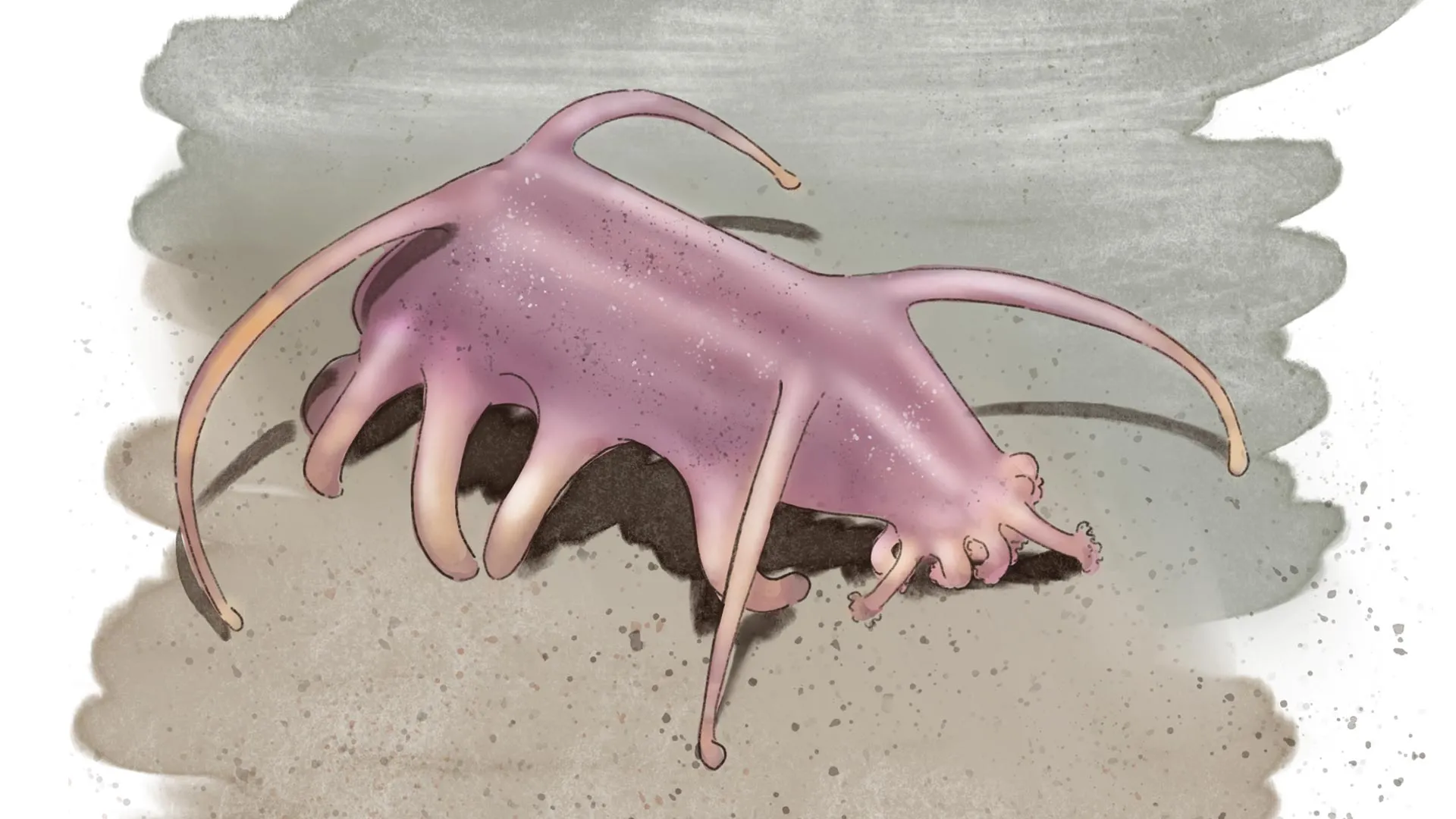
Researchers at the University of Tokyo identified a previously unknown bacterium living beneath the skin of deep-sea sea pigs. The bacterium, named Candidatus Abyssoplasma scotoplanesicola, dominated more than 70% of bacterial genetic markers in body-wall samples from three sea pig species examined during deep-sea research expeditions.
The bacterium's genome contains just 649,000 DNA bases, roughly seven times smaller than the genome of E. coli. Despite this compact size, more than a quarter of its genetic material codes for proteins associated with its bacterial surface. Some of these proteins exceed 5,000 amino acids in length, far larger than the typical bacterial protein of about 300 amino acids.
Yu Yoshida, a Ph.D. student at the University of Tokyo's Graduate School of Frontier Sciences and lead author of the study, noted the rarity of this research. "Taxonomic and genomic information about these body-wall inhabiting bacteria is scarce, and very few studies of deep-sea species have linked this information to the bacteria's location within host tissues," Yoshida said.
The bacterium appears to depend heavily on its sea pig host for survival. Genetic analysis revealed that it lacks genes needed to produce certain amino acids, nucleic acid precursors, lipids, and mineral nutrients independently. The unusually large surface proteins may help the bacterium interact with sea pig tissues or cluster with other bacterial cells, though their exact functions remain unknown.
Whether the relationship benefits the sea pigs is unclear. Researchers hypothesize that the bacteria might defend hosts against pathogens, but they emphasize this potential benefit has not yet been demonstrated.