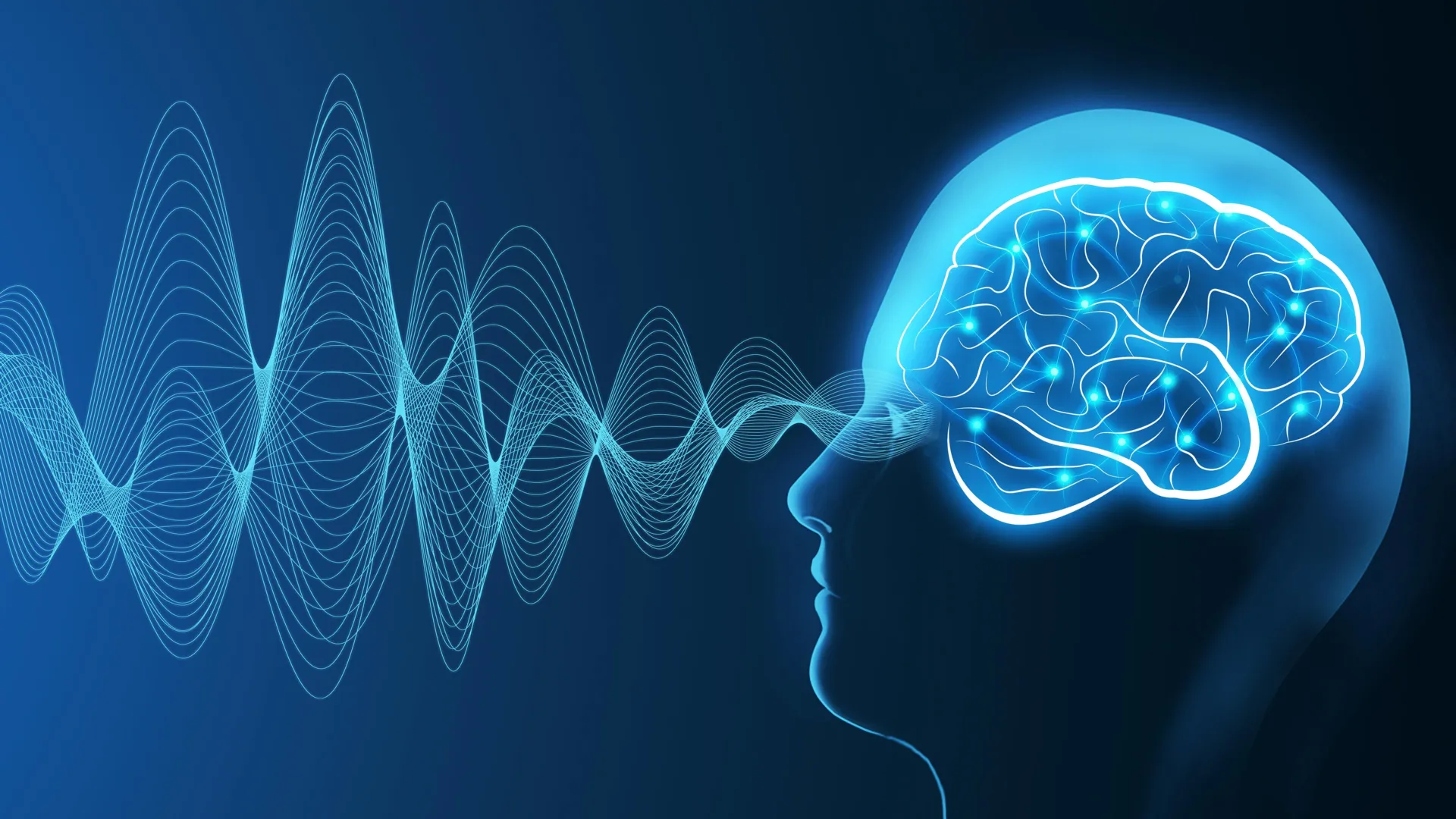
MIT researchers led by Laura Lewis have discovered that brief pulses of pink noise, delivered during sleep at precisely timed moments, can strengthen the brain's natural waste-clearing system. The technique amplifies slow electrical waves in the brain, which in turn produces larger waves of cerebrospinal fluid (CSF) that flush away waste products like lactic acid and proteins.
The study, published in Science Translational Medicine with Joshua Levitt as lead author, involved 14 healthy volunteers. Researchers synchronized 50-millisecond bursts of pink noise with the peak moments of participants' slow brain waves using real-time monitoring of electrical activity via EEG and CSF movement via fMRI. The team overcame a technical challenge by developing a method to remove magnetic interference from EEG signals in less than 100 milliseconds, allowing them to time the sounds accurately without waking participants.
The brain scans revealed that slow electrical waves trigger blood vessels to narrow and widen in a pumping motion that pushes CSF out of the brain. By enhancing these electrical waves with sound, the researchers strengthened this fluid movement. However, the study did not directly measure whether the stronger CSF waves actually removed more waste or improved sleep quality.
Lewis noted the significance: "We found that we were able to increase the size of the CSF flow wave during sleep, which as far as we know, there hasn't been a method to do before."
The researchers now plan to test whether the technique benefits people with insomnia and whether it could help clear harmful proteins associated with Alzheimer's disease and other dementias. Levitt has launched a company developing a potential home device, possibly a headband, to deliver the sounds during sleep. Whether the enhanced CSF flow translates into better memory, more refreshing sleep, or protection against neurodegeneration remains to be tested.