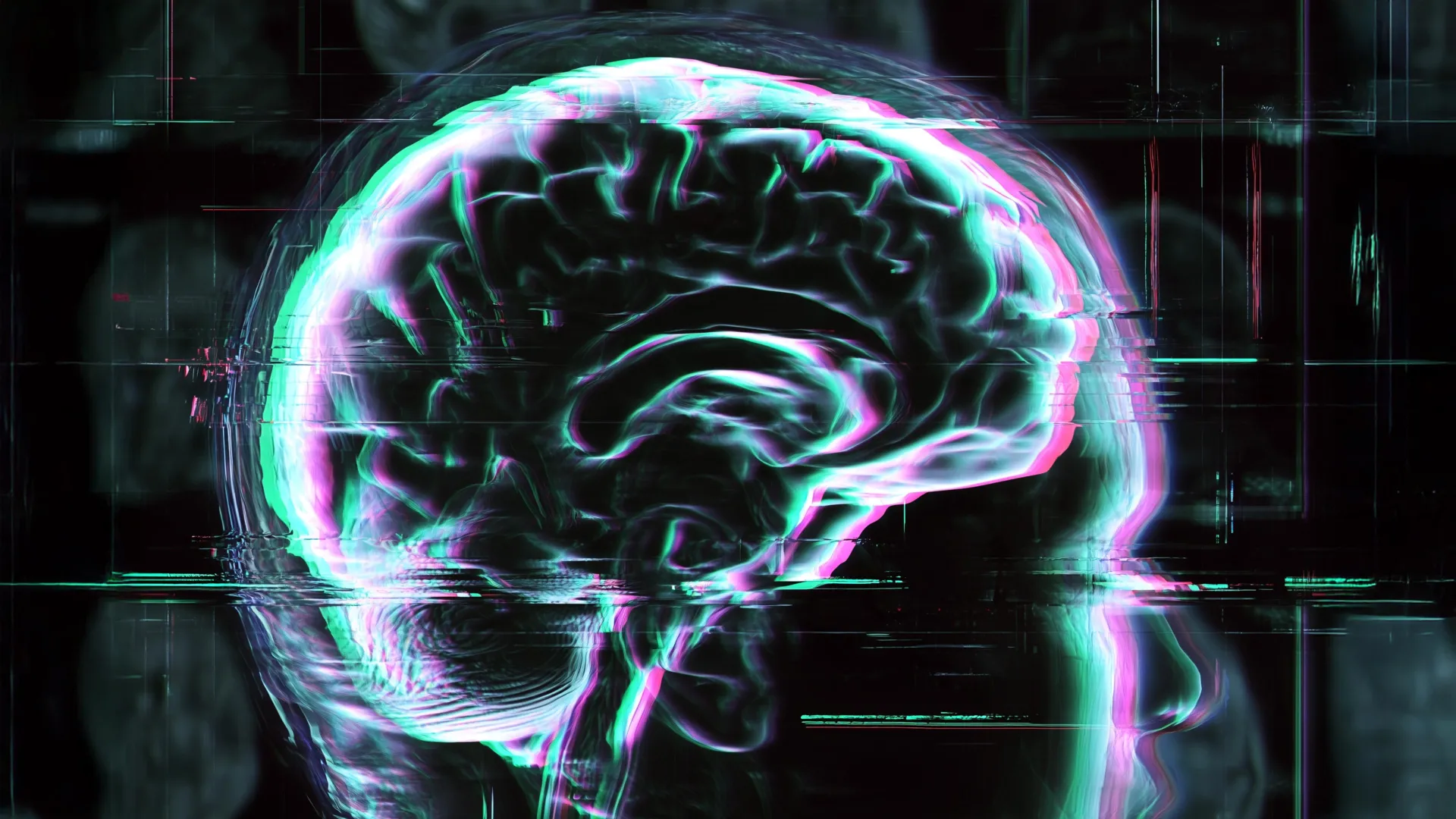
Researchers at Florida International University analyzed 57 brain imaging studies and found that multiple sleep disorders are associated with physical changes in brain regions involved in attention, motivation, and decision-making. The study appears in Scientific Reports.
Matthew Sutherland, a cognitive neuroscientist at FIU and senior author, and Katharine Crooks, the lead author, examined two groups of sleep disorders. Dyssomnias include insomnia and sleep apnea. Parasomnias include sleepwalking, nightmare disorder, and sleep terrors.
Both groups of sleep disorders showed reductions in the thalamus, particularly in a region called the pulvinar. This area helps direct attention and manage cognitive control. The researchers noted that differences in these systems may explain why people with sleep disorders often experience slower reaction times and difficulty making decisions.
Parasomnias specifically showed additional changes in the posterior cingulate cortex, a region involved in motivation, decision-making, and emotional regulation. This may help explain why these disorders can involve difficulties with mood and behavior. The analysis did not reveal consistent structural changes found only in dyssomnias.
Crooks stated that "by looking across many studies, we found shared patterns in the brain that help explain why sleep problems can impact focus, decision-making and everyday functioning."
The study identified associations between sleep disorders and brain structure differences but did not determine whether disrupted sleep causes those differences, whether existing brain differences contribute to sleep disorders, or whether both occur. The FIU team plans to examine individual parasomnias in greater detail.