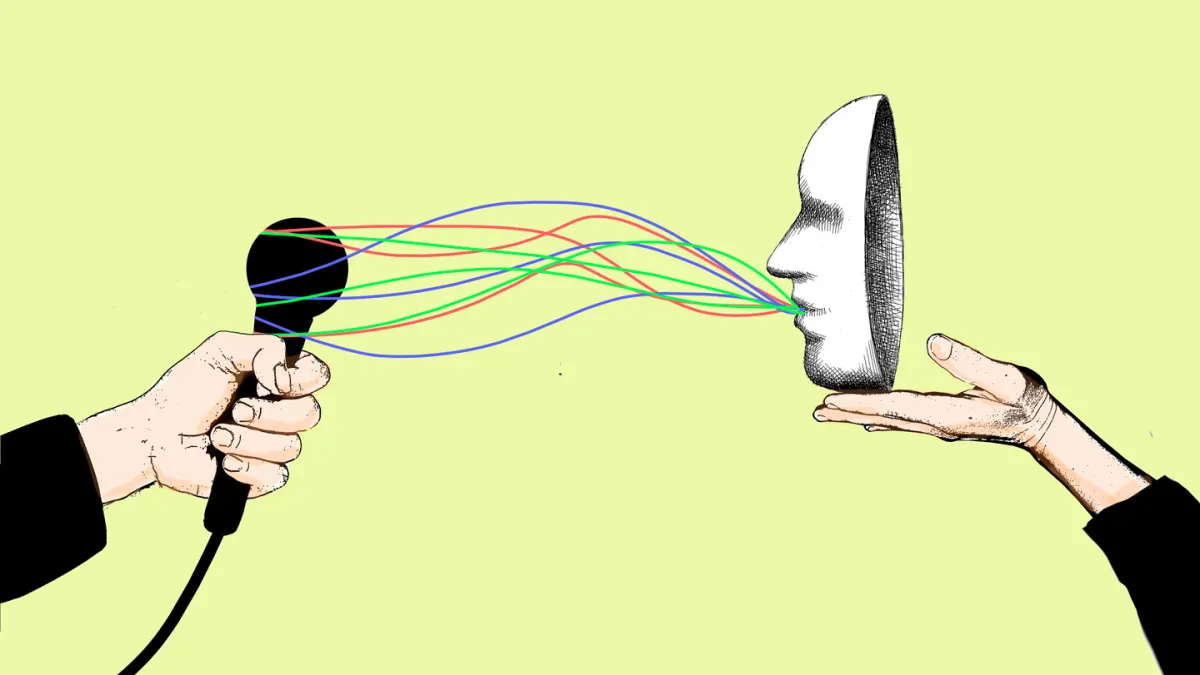
AI technology can now create realistic voice clones from as little as 20 seconds of a person's voice, Hany Farid, a computer scientist at Dartmouth College, says. With keyboard and internet connection alone, someone can generate an image, voice, or video of anybody saying anything.
The technology offers benefits. People with ALS can speak using voices that sound like their own. Real-time translation now preserves a person's voice across languages. Jules Rodriguez, who lost his ability to speak, said his cloned voice felt like "I reappeared." His wife cried hearing how closely it matched his original voice.
But the same technology enables fraud and deception. Farid lists romance scams, ransom calls impersonating kidnappers, and geopolitical schemes where people receive calls from what they believe are foreign leaders but are actually AI-generated voices. During the 2026 U.S. midterm elections, political deepfake ads have made opponents appear to say things they never said.
Laboratory tests show people cannot reliably distinguish machine-generated voices from real ones. When asked if two voice samples come from the same person, one real and one cloned from 20 seconds of audio, people correctly identify them as matching at rates no better than coin flips, according to Farid's research. The AI has figured out how to make a synthetic voice sound identity-preserving enough to fool listeners.
Farid describes the moment as "in equal parts an exciting time and a terrifying time, and somehow those are coexisting."
The article also raises questions about what happens to voice clones after a person dies, though it does not provide specific answers about legal or ethical frameworks for that scenario.