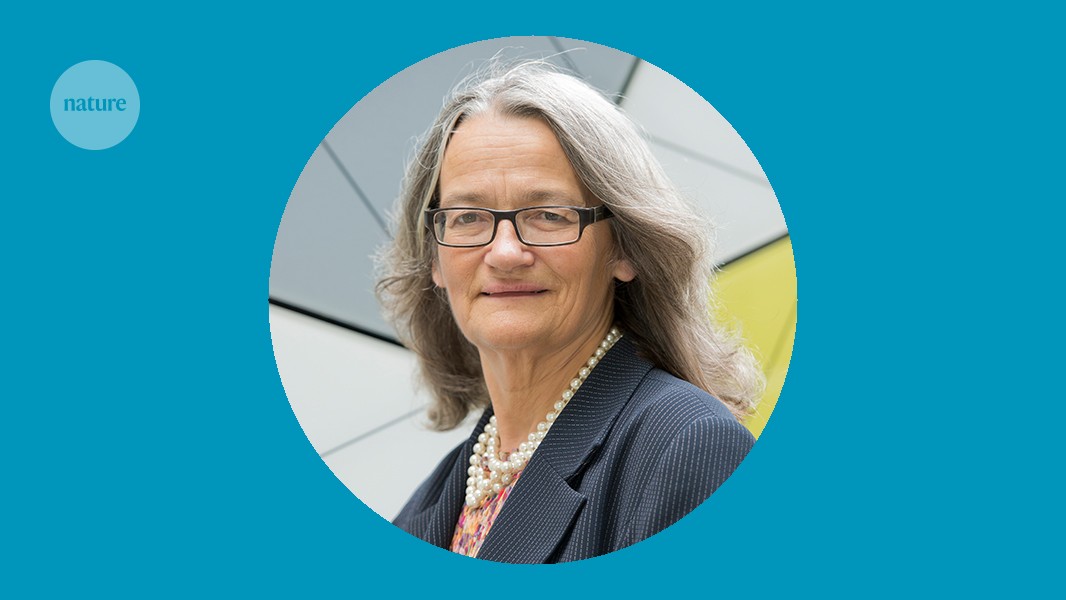
Ursula Martin, an emeritus professor at the Mathematical Institute at the University of Oxford, describes the mathematics community's mixed reaction to OpenAI's October release of more than 700 AI-generated mathematical manuscripts on a public repository. Some researchers expressed exhilaration at the potential new mathematical knowledge, while others expressed despair, worried that their lifelong work might become meaningless or concerned about impacts on early-career colleagues.
Martin coauthored the Leiden Declaration on Artificial Intelligence and Mathematics, published in June. The declaration does not oppose AI use in mathematics but proposes practical safeguards. These include clear citation policies, precise disclosures on how AI is used, and a commitment to the long-standing expectation that all arguments in a mathematical proof should be independently verifiable and answerable by a human author.
Martin notes that some AI companies have agreed to follow the declaration. OpenAI has not. She suggests that some of the mathematics community's concerns about OpenAI's announcement approach could have been anticipated.