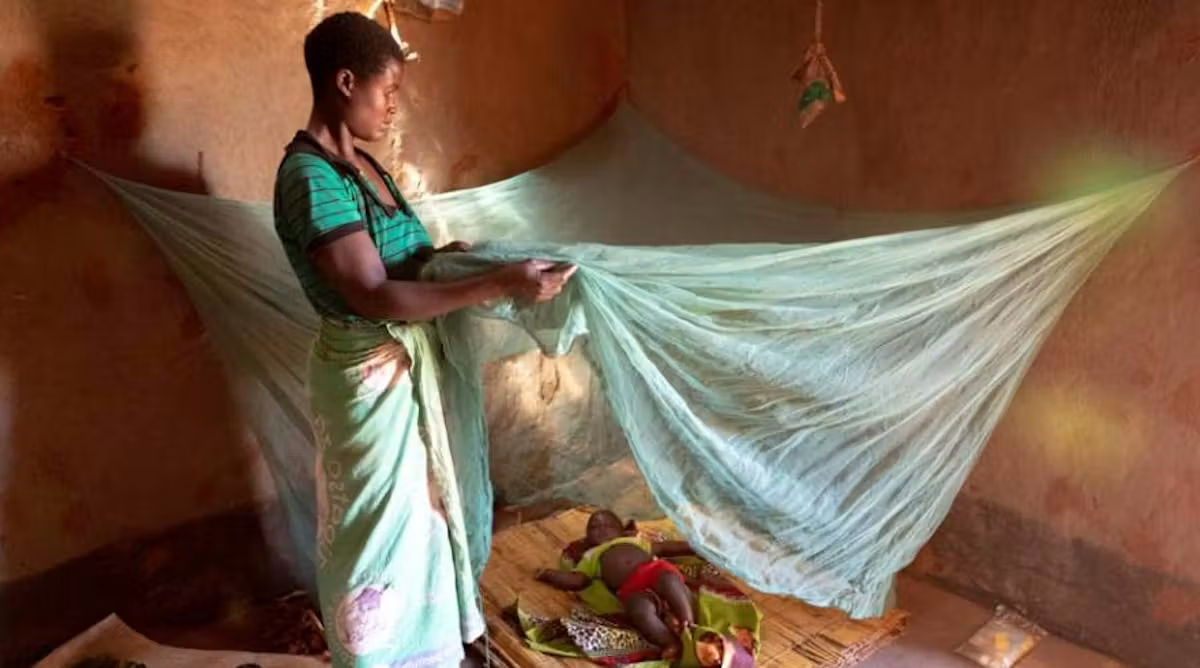
Malaria case numbers have risen across the Southern African Development Community over the past two years, reversing progress in disease control. Four countries, the Democratic Republic of Congo, Mozambique, Angola and Tanzania, account for 22.9% of global malaria cases combined.
The World Health Organization's target to eliminate malaria by 2030 faces obstacles. National malaria programmes are overstretched and under-resourced. Most African malaria programs depend heavily on donor funding, with South Africa as a notable exception, funding almost all of its own programme.
Jaishree Raman, head of the Laboratory for Antimalarial Resistance Monitoring and Malaria Operational Research at South Africa's National Institute for Communicable Diseases, said African governments should invest more in their own malaria control efforts.
Extreme weather has worsened conditions. The La Niña system in early 2026 caused severe flooding across several SADC countries. Mozambique reported a 55% increase in malaria cases in the first six weeks of 2026 compared to the same period in 2025. Zimbabwe reported 65,399 cases in the first quarter of 2026, nearly double the number from the same quarter in 2025.
Funding cuts have compounded the crisis. The sudden end of US government funding in 2025 made it harder for the Global Fund to reach its replenishment target of US$18 billion. Country allocations for the 2026-2028 grant cycle are on average 18% lower than previous allocations, forcing countries to make difficult choices about whom to protect and where.
Malaria parasites have developed drug resistance, making treatments less effective. The region lacks genomic hubs to monitor how parasites respond to interventions. Many national programmes lack skilled entomologists to monitor mosquito resistance to insecticides, limiting options for selecting appropriate vector control measures.
The International Organization for Migration and the United Nations High Commissioner for Refugees estimated 11.4 million forcibly displaced individuals lived in the SADC region in 2025, a 35% increase from 2023. Displaced populations crossing borders strain healthcare systems and increase the risk of drug stockouts.
The report states that if nothing changes, malaria cases will probably increase in some areas.