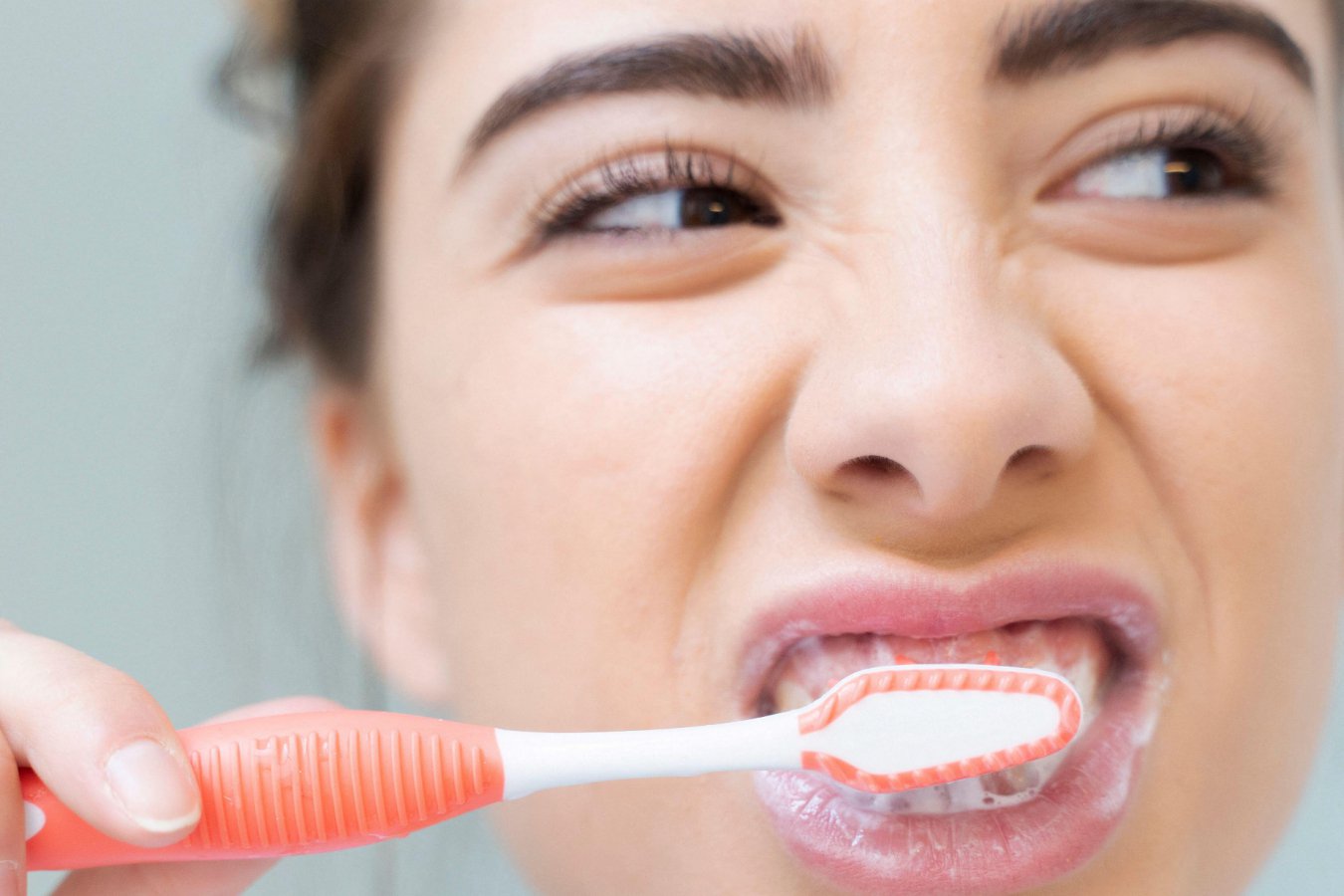
Yanhui Lu at Peking University in China and colleagues developed toothbrush bristles made from piezoelectric plastic that generate electricity as they bend during brushing. The bristles trigger chemical reactions that produce reactive-oxygen species, molecules that damage bacterial membranes while the bristles physically remove plaque.
Laboratory tests confirmed the thicker piezoelectric bristles killed about 53 per cent of Streptococcus mutans, which causes cavities, and 78 per cent of Porphyromonas gingivalis, which contributes to gum disease, compared with 9 and 8 per cent for standard nylon bristles. When the team brushed plaque from human mouths on cow enamel for 3 minutes, the piezoelectric brushes removed more than 99 per cent of plaque versus about 80 per cent for conventional brushes.
The researchers tested the toothbrushes in 109 adults with dental plaque and gum inflammation over three months. Those using piezoelectric brushes showed roughly 40 per cent reductions in plaque build-up, gum inflammation and bleeding, compared with around 15 per cent for those using conventional brushes. Genetic sequencing revealed a decline in harmful bacteria and an increase in potentially beneficial bacteria in the piezoelectric group.
The bristles remained soft and retained their electrical properties after three months of use.
Nicholas Jakubovics at Newcastle University, who was not involved in the research, stated larger studies are needed to establish whether the toothbrush actually prevents cavities and tooth loss.