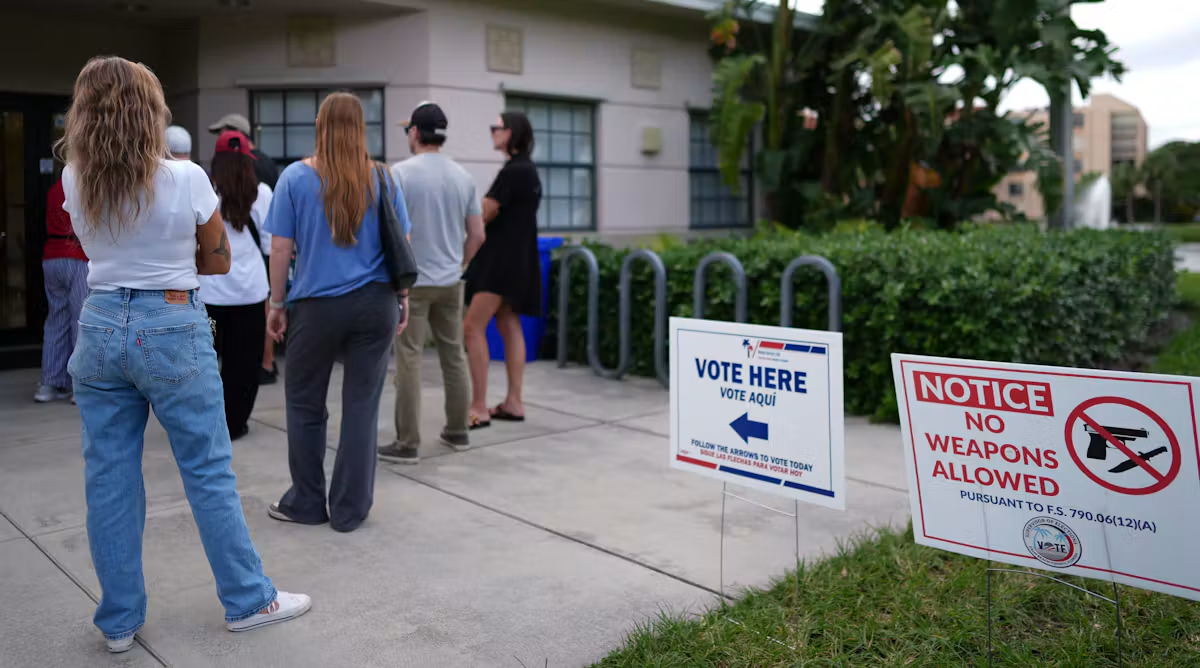
Florida voters approved Amendment 3 on November 3, 2026, with over 60% support, tripling the homestead property tax exemption from $50,000 to $150,000 in 2027 and raising it further to $250,000 in 2028. The measure also reduces the cap on annual assessments for rental and commercial properties from 10% to 5%.
The Florida Legislature's research arm estimated the amendment would cut annual property tax revenue by $11.8 billion, representing a 30% reduction for Florida counties and a 13% cut for municipal governments.
The tax cuts exempt school-related property taxes and include language directing funds toward essential services like public safety and infrastructure. However, economists from the University of Tampa argue the revenue loss will force trade-offs. Local governments may increase taxes on other groups, including non-homestead property owners, businesses, and landlords. They may also raise sales taxes, fees for services like waste treatment and stormwater utilities, or tourism-related taxes.
Police, fire, and emergency medical services, which make up the largest budget items in most counties, face potential cuts. Lower-income Floridians will bear a disproportionate burden if sales taxes rise, as they spend more of their income on consumption and are more likely to rent than own homes.
The economists argue the tax structure may also worsen Florida's affordable housing shortage. Residential development costs counties approximately $1.20 in services for every dollar homeowners pay in property taxes. With property tax revenues falling, local governments may prioritize commercial construction over residential housing, potentially driving up rents and home prices.