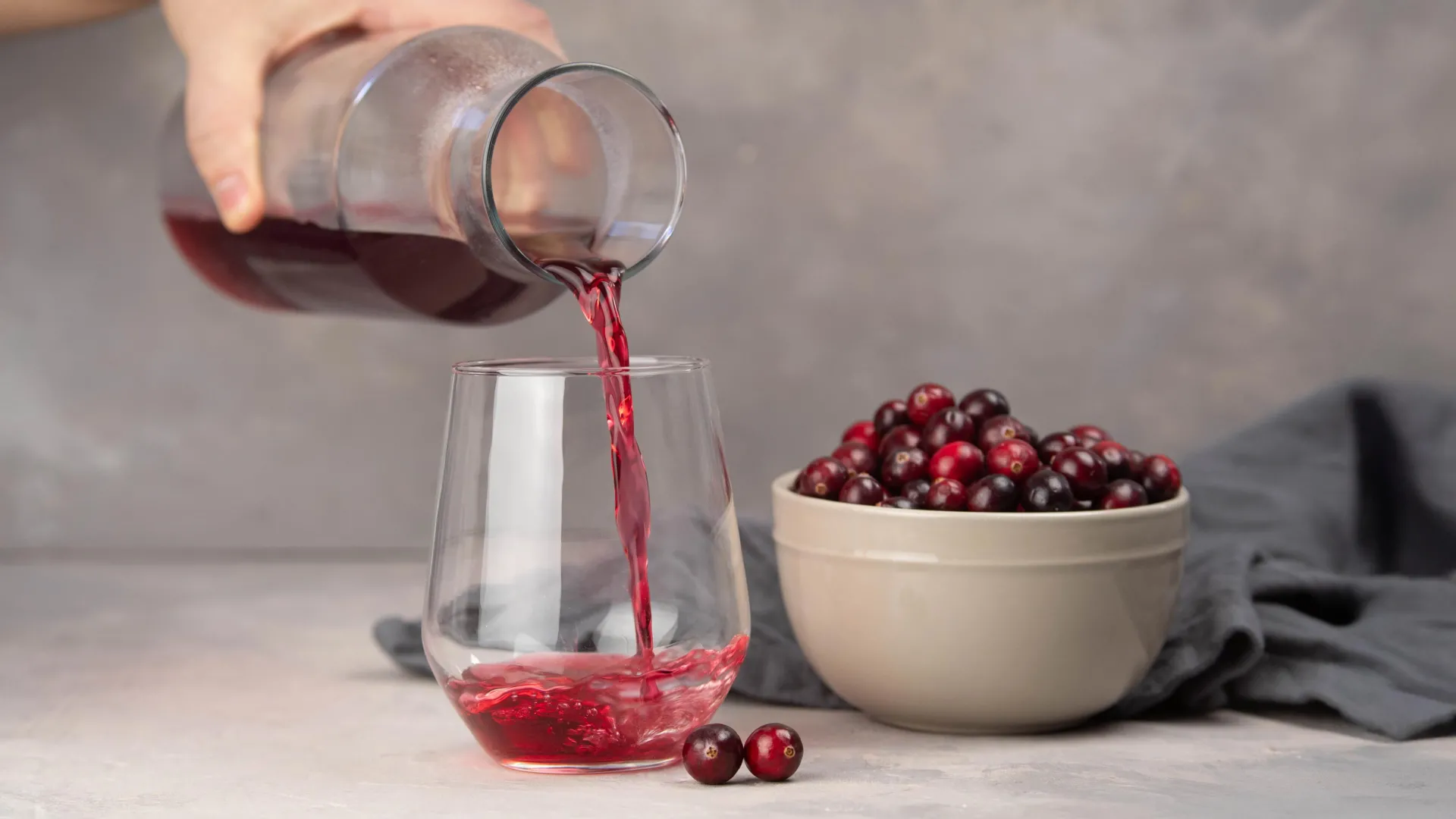
Christine Wu, a researcher at the University of Illinois Chicago College of Dentistry, led a study testing whether pure cranberry juice could slow dental plaque growth and reduce acid production linked to tooth decay. The research involved 22 participants, including 14 children and eight adults, who rinsed their mouths with one of three beverages: pure unsweetened cranberry juice, cranberry juice cocktail with added sugar, or plain water.
Researchers collected plaque samples before and 30 minutes after participants consumed their assigned beverage. Plaque exposed to pure cranberry juice showed slower regrowth compared to unexposed samples. The juice also reduced acid production in dental plaque from both children and adults.
Wu attributed the effect to proanthocyanidins, compounds in cranberries that have anti-inflammatory properties and can interfere with bacterial attachment. "Most people think of cranberry juice as very sour, very acidic and sugary, and therefore may not contribute positively to oral health. This study found the opposite: that cranberry juice affected dental plaque regrowth and acid production, which may counteract some of the damage done by sugar," Wu said.
The findings appeared in Scientific Reports. However, the researchers note that the study's small size and short testing window cannot establish whether regular cranberry juice consumption prevents cavities or produces lasting improvements in dental health. Larger studies over longer periods are needed to determine whether changes in dental plaque translate into meaningful protection against tooth decay.
Wu suggested that pure cranberry juice might eventually be used as an occasional mouth rinse, though its intense tartness poses a challenge without added sweeteners.