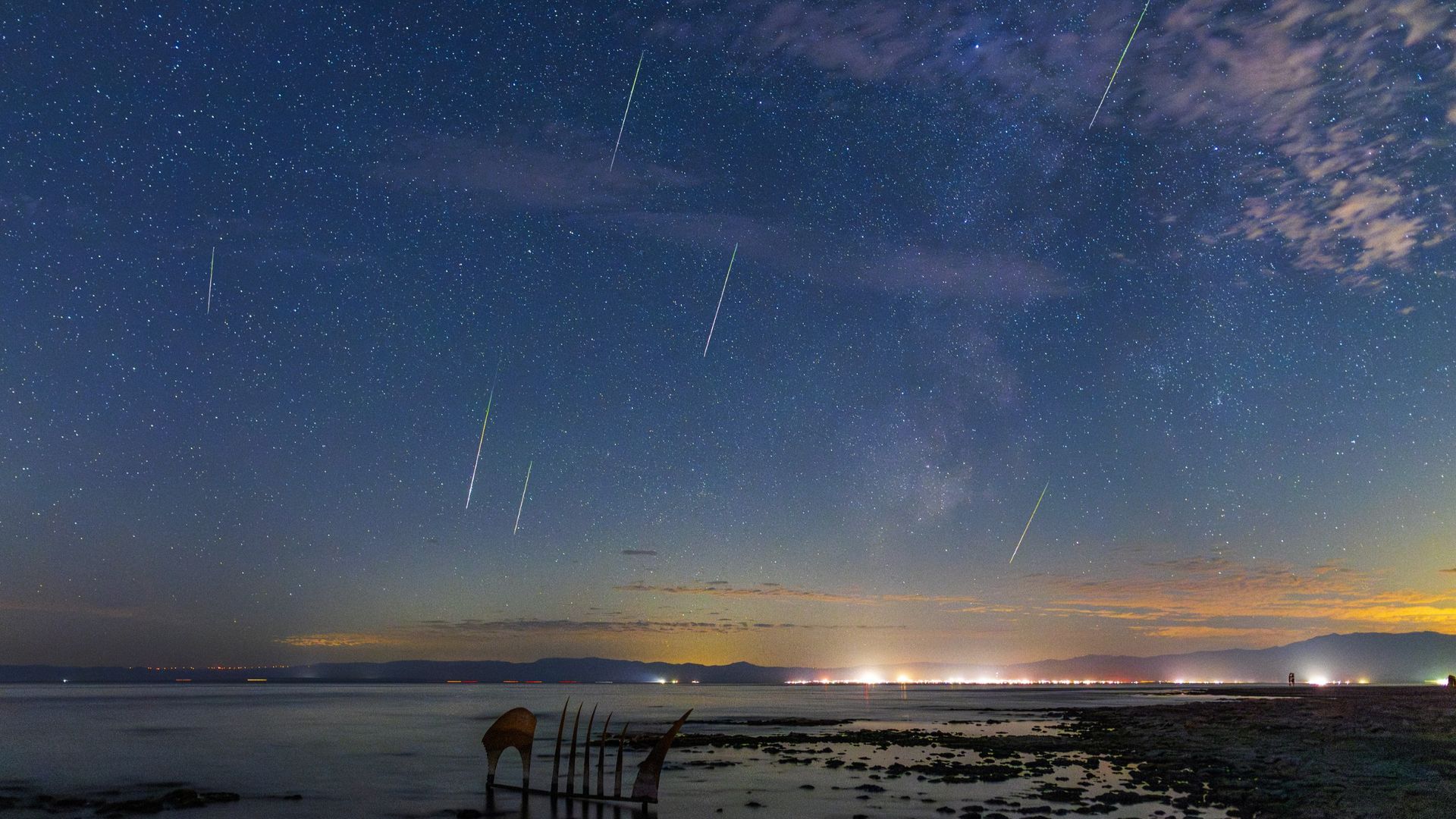
The Orionid meteor shower peaks around October 21, offering stargazers an opportunity to observe meteors this week. The shower occurs annually when Earth passes through debris left behind by Halley's Comet as it orbits the sun.
To view the Orionids effectively, observers should find a location away from city lights and light pollution. Dark skies in rural areas or parks provide optimal viewing conditions. The best time to watch typically occurs after midnight, when the radiant point in the Orion constellation rises higher in the sky.
Viewers need no special equipment to see the meteors. Eyes adjusted to darkness work better than telescopes or binoculars, which have limited fields of view. Allowing 20 to 30 minutes for eyes to adjust to darkness improves the chance of spotting meteors across the sky.
Weather conditions affect visibility. Clear skies without clouds offer the best viewing prospects. Moon phase also influences observation, as a bright moon can wash out fainter meteors.
The Orionids typically produce between 10 to 20 meteors per hour at peak, though this number varies year to year. The shower spans several weeks, with activity beginning in early October and continuing into November, but the peak period around October 21 offers the highest frequency of meteors.
Patience improves the viewing experience. Meteors appear randomly across the sky, so observers benefit from watching for extended periods rather than brief glances. Bringing a blanket or reclining chair allows comfortable viewing throughout the night.